Picture this: You’re holding Bitcoin or Ethereum in your digital wallet, excited about potential gains, but suddenly worried—what if something goes wrong and you lose access forever? Recent moves by the U.S. Securities and Exchange Commission are stepping in to help everyday investors like you navigate these exact concerns with clearer guidance on keeping your crypto safe.
The Latest from the SEC: A Focus on Education and Safety
In December 2025, the SEC’s Office of Investor Education and Advocacy released a new bulletin titled “Crypto Asset Custody Basics.” This straightforward guide explains how to store and access your digital assets without overwhelming jargon. It’s part of a broader shift toward helping retail investors understand risks, rather than just enforcing rules after problems arise.
The bulletin highlights that crypto custody isn’t like traditional banking—there’s no automatic insurance like FDIC for bank accounts. Instead, it empowers you to make informed choices about protecting your investments.
Cryptocurrency Wallets Explained: How They Work and Stay Secure | 01
Self-Custody vs. Third-Party Options: What’s Best for You?
One key change in focus is clarifying your two main choices for holding crypto:
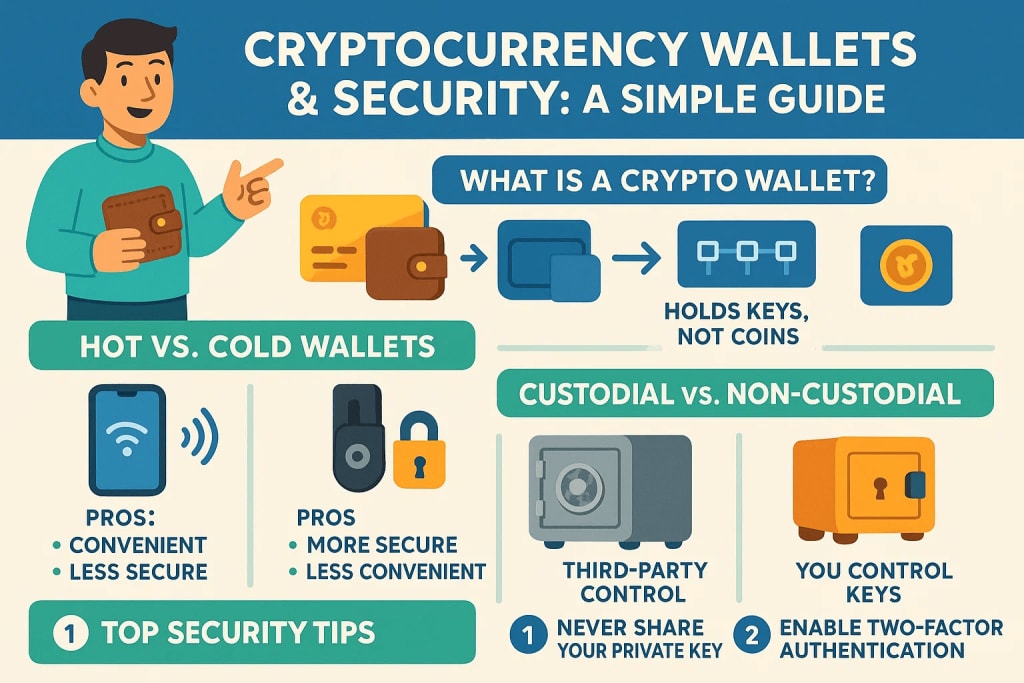
- Self-custody: You control your own private keys (the secret codes that prove ownership). This gives full independence but means you’re solely responsible for security. Lose your keys or get hacked? Recovery might be impossible.
- Third-party custody: Platforms like exchanges hold your assets. Convenient for trading, but risks include hacks, company bankruptcy, or even the platform lending out your coins without clear consent.
The SEC warns that in third-party setups, your crypto might be pooled with others or used in ways you don’t expect. According to the bulletin, always check if the provider segregates customer funds properly.
The conceptual proposed custody model of digital assets using a …
Hot Wallets, Cold Wallets, and Private Keys Explained Simply
Hot wallets are online and easy to use for quick transactions, but more vulnerable to attacks. Cold wallets (like hardware devices kept offline) offer stronger protection for long-term holdings.
Private keys are your ultimate proof of ownership—treat them like the PIN to your life savings. The SEC stresses backing up seed phrases securely and never sharing them.
Why This Matters Now: Growing Market and Real Risks
The crypto custody market is booming, projected to grow from around $3.28 billion in 2025 to $7.74 billion by 2032, based on industry reports cited in recent analyses. With more people investing, the SEC is prioritizing education to prevent losses seen in past exchange failures.
This guidance reflects a maturing approach under new leadership, moving toward practical protections for retail users amid rapid industry expansion.

Free Trading Platform Demo | Generic Trade Discount Futures Broker
Tips for Everyday Investors: Staying Safe in Crypto
To make the most of these updates:
- Research your custody method thoroughly—ask providers about security practices.
- Consider mixing approaches: Use hot wallets for small amounts and cold storage for larger holdings.
- Stay updated on risks, as the SEC notes no federal insurance covers most crypto losses.
These steps can help turn crypto investing from a gamble into a more confident part of your financial picture. As regulations evolve to support innovation while safeguarding users, opportunities for safe participation are opening up for everyone.