
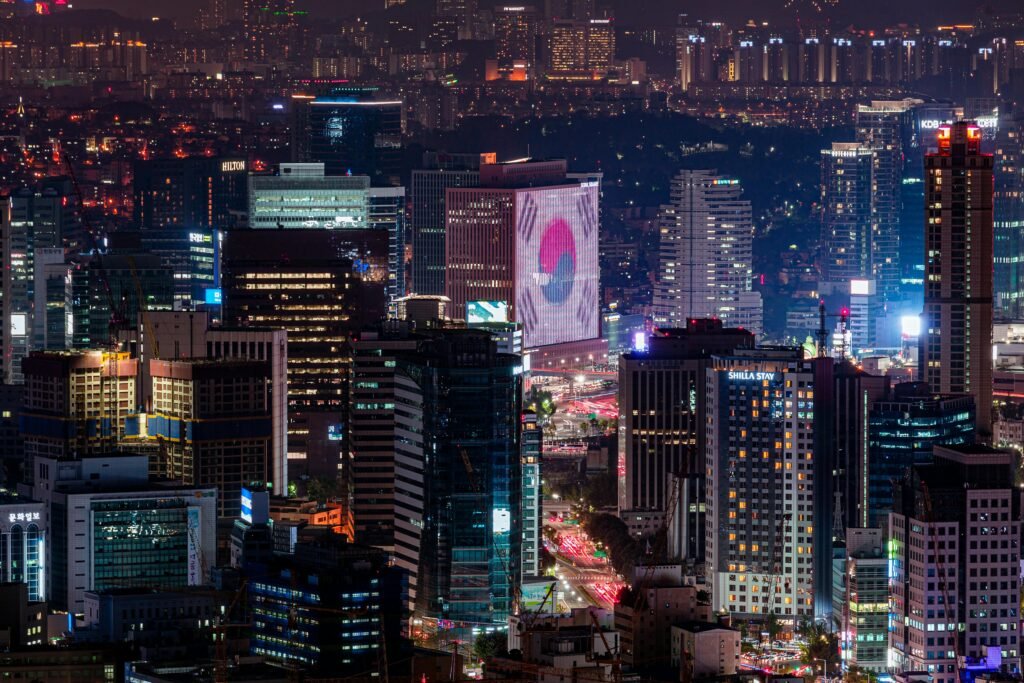
Imagine strolling through Seoul’s bustling streets, where neon signs flicker not just for K-pop merch, but for the latest blockchain meetups and crypto cafes. It’s here, in this tech-savvy heartbeat of Asia, that a16z—the powerhouse venture firm behind hits like Coinbase and OpenSea—is planting its flag. On December 10, 2025, a16z crypto unveiled its first Asian outpost: a sleek Seoul office designed to supercharge investments in Korea’s exploding digital asset scene. This isn’t just about maps on the wall; it’s a calculated bet on a market where everyday folks trade more crypto than stocks, and builders are coding the future of finance.
Why Seoul? Because Korea isn’t playing catch-up—it’s leading the pack. With over 16 million crypto users (that’s one in three adults), the country clocks $663 billion in annual trading volume, outpacing most of Asia. a16z sees this as prime real estate for turning bold ideas into billion-dollar realities. Let’s dive into how this move could reshape the game for startups, investors, and you.
Korea’s Crypto Boom: A Playground for Innovators
South Korea isn’t called the “Republic of Gamers” for nothing—it’s also the unofficial capital of crypto experimentation. Picture a nation where your corner convenience store accepts Bitcoin, and developers hack away at DeFi apps faster than you can say “kimchi.” The stats tell the story: By late 2025, crypto ownership has surged past stock holdings, with daily trades hitting $12 billion on platforms like Upbit and Bithumb.
What fuels this fire? A mix of young, tech-hungry demographics (Gen Z makes up 40% of traders) and policies that, while strict on scams, greenlight innovation. The Financial Services Commission (FSC) rolled out clearer rules in early 2025, allowing nonprofits to accept crypto donations and piloting stock-listed firms to trade tokens. Result? Market revenue is projected to hit $1.1 billion this year, growing 12% annually through 2026, per Statista’s forecast.
The Numbers That Hook VCs Like a16z
Korea ranks second globally in crypto market size, behind only the U.S., with on-chain activity up 69% in APAC overall. Chainalysis’s 2025 Global Adoption Index puts 11 Asian nations in the top 20, led by India but powered by Korea’s retail frenzy. It’s no wonder: Users here aren’t just hodling—they’re bridging, staking, and NFT-flipping at volumes that make Silicon Valley look sleepy.
This ecosystem breeds unicorns. Local exchanges dominate global charts, and startups are blending blockchain with everything from gaming to remittances. For a16z, it’s a treasure trove: High user density means faster feedback loops for portfolio projects, turning prototypes into hits overnight.
a16z’s Seoul Strategy: From Backers to Builders
a16z crypto isn’t new to big swings—they’ve poured $7.6 billion into funds backing Aptos, EigenLayer, and Yuga Labs. But Asia? That’s uncharted territory until now. The Seoul office, announced by COO Anthony Albanese, flips the script from remote deal-sourcing to boots-on-the-ground hustle.
Albanese nailed it in the launch post: “Our expansion will offer go-to-market support for portfolio companies seeking to accelerate growth, forge strategic partnerships, and build lasting communities across Asia.” Translation? They’ll help U.S.-born protocols like their investments crack Korea’s market, while scouting homegrown gems for global scale.
Meet Sungmo Park: The Multilingual Maestro at the Helm
Leading the charge is Sungmo Park, a crypto vet who’s worn hats at Monad Foundation and Polygon Labs. Fluent in Korean, Japanese, Chinese, and English, Park’s no stranger to bridging worlds—literally. At Monad, he orchestrated ecosystem plays across East Asia; at Polygon, he locked in enterprise deals that supercharged adoption.
Park’s vision? “I’ll help a16z crypto’s founders access not just a new market, but the regional context and knowledge they need to scale.” Expect him to host hackathons in Gangnam, ink JV deals with chaebols (Korea’s mega-corps), and mentor devs on everything from K-pop NFT drops to zero-knowledge proofs tailored for local regs.
This setup positions a16z as more than a check-writer—they’re ecosystem architects, eyeing a $10 billion fundraise to fuel APAC bets.

Why This Matters: Ripple Effects for Korea’s Crypto Scene
For Korean founders, a16z’s arrival is like a Hollywood scout spotting talent at a street fair. Suddenly, your DeFi app or Web3 game gets Silicon Valley polish—and funding. The office will prioritize early-stage teams, blending a16z’s network with Korea’s dev talent to birth the next big thing.
Globally, it’s a signal: Asia’s not a side quest; it’s the main storyline. With Japan’s on-chain surge (up 120% YoY) and Singapore’s 40% Gen Z ownership, Seoul becomes a16z’s launchpad for a pan-Asian blitz. Portfolio perks? Think localized marketing for EigenLayer restaking or Yuga Labs NFTs reimagined as K-drama collectibles.
Hurdles on the Horizon
It’s not all smooth soju shots. Korea’s regs, while evolving, still prioritize investor shields—think mandatory KYC and anti-money laundering checks that can slow pilots. Plus, competition heats up: Rivals like Binance Labs and local VCs are circling the same talent pool. a16z’s edge? Their track record of 100x exits and hands-on ops support.
The Takeaway: A16z Is Betting Big—Should You?
a16z’s Seoul splash isn’t just corporate news—it’s a vote of confidence in Korea as crypto’s next epicenter. With $77.5 billion in market cap and 20% population trading, the stage is set for explosive growth. For everyday enthusiasts, that means more apps, lower fees, and maybe even crypto-integrated transit cards.
If you’re a builder, investor, or just crypto-curious, watch this space. a16z isn’t dominating yet—but with Park at the wheel and Asia’s momentum, they’re geared to lead the charge. Korea’s crypto story just got a lot more Hollywood.
(Data current as of December 11, 2025)