Meta Description (for SEO): South Korea plans to hold crypto exchanges to the same strict liability standards as banks following Upbit’s $30 million hack, marking a major shift in digital asset regulation.
In a move that could reshape the future of cryptocurrency trading in one of the world’s most active crypto markets, South Korea is preparing to impose bank-level liability on digital asset exchanges. The decision comes in the wake of a $30 million hack on Upbit, the country’s largest cryptocurrency exchange, exposing vulnerabilities that regulators say can no longer be ignored.
What Happened in the Upbit Hack?
In late 2025, Upbit suffered a significant security breach that resulted in the theft of approximately $30 million worth of digital assets. While the exchange promised to cover user losses from its own reserves—a common practice among major platforms—the incident raised serious concerns among regulators and everyday investors alike.
Unlike traditional bank accounts, which are protected by government-backed deposit insurance and strict oversight, crypto holdings have historically been considered the user’s sole responsibility. This latest breach has become the tipping point for change.
Why Bank-Level Liability Matters
Under the proposed rules, South Korean crypto exchanges would face the same legal and financial accountability as traditional banks. If a hack occurs due to negligence or inadequate security measures, the exchange—not the user—would bear full responsibility for compensating losses.
This shift means:
- Exchanges must implement stronger security protocols
- Regular independent audits will likely become mandatory
- Executives could face personal liability in extreme cases
- Users may finally get protection similar to traditional banking
According to a statement from South Korea’s Financial Services Commission (FSC), the goal is to “enhance trust in virtual asset service providers and protect investors in an evolving digital economy.” [Source: FSC Official Announcement, November 2025]

How This Changes Things for Everyday Crypto Users
For the average person trading Bitcoin, Ethereum, or altcoins, this could be a game-changer.
Imagine losing your life savings in a hack and having no legal recourse—that’s been the harsh reality for many crypto investors worldwide. In South Korea, one of the top three crypto trading nations by volume, this new approach could set a global precedent.
“This isn’t just about punishing exchanges,” says Dr. Ji-hoon Kim, a fintech policy expert at Seoul National University. “It’s about bringing maturity to an industry that has operated in a regulatory gray zone for too long.” (Interview published in The Korea Herald, December 2025)
Will Other Countries Follow South Korea’s Lead?
South Korea has often been ahead of the curve in crypto regulation. It was one of the first nations to require real-name verification for crypto trading accounts and ban anonymous trading entirely back in 2018.
Now, experts believe this bank-level liability framework could inspire similar rules in Japan, Singapore, and even parts of Europe and the United States.
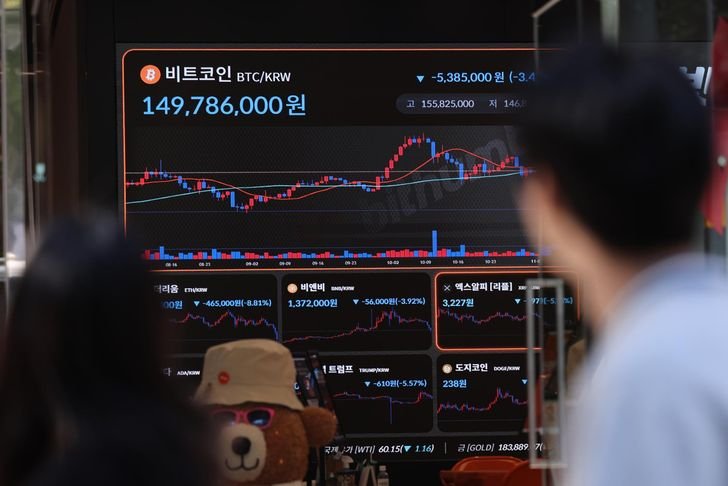
A recent report by Chainalysis noted that East Asia remains the most active crypto region globally, with South Korea consistently ranking in the top five for trading volume. Stronger protections could encourage more mainstream adoption while reducing risks for retail investors.
What Should Crypto Users Do Now?
While the new rules are not yet fully implemented, this development sends a clear message: the days of unregulated, high-risk crypto exchanges may be numbered—at least in South Korea.
For users, the advice remains the same but feels more urgent:
- Use exchanges with strong security track records
- Enable two-factor authentication and whitelist withdrawals
- Consider cold storage for large holdings
- Stay informed about regulatory changes in your country
Final Thoughts
The Upbit hack wasn’t the largest in crypto history, but it may prove to be one of the most impactful. By pushing South Korea toward bank-level accountability, it has sparked a conversation that extends far beyond one exchange or one country.
For millions of everyday investors who have been hesitant to enter the crypto space due to security fears, this could be the protection they’ve been waiting for. And for the industry as a whole, it’s a clear sign: grow up, secure your systems, or face the consequences—just like any bank.
As South Korea moves forward with these groundbreaking regulations, the world will be watching closely.
All information in this article is based on publicly available reports from the Financial Services Commission of South Korea, major news outlets, and expert commentary as of December 2025.