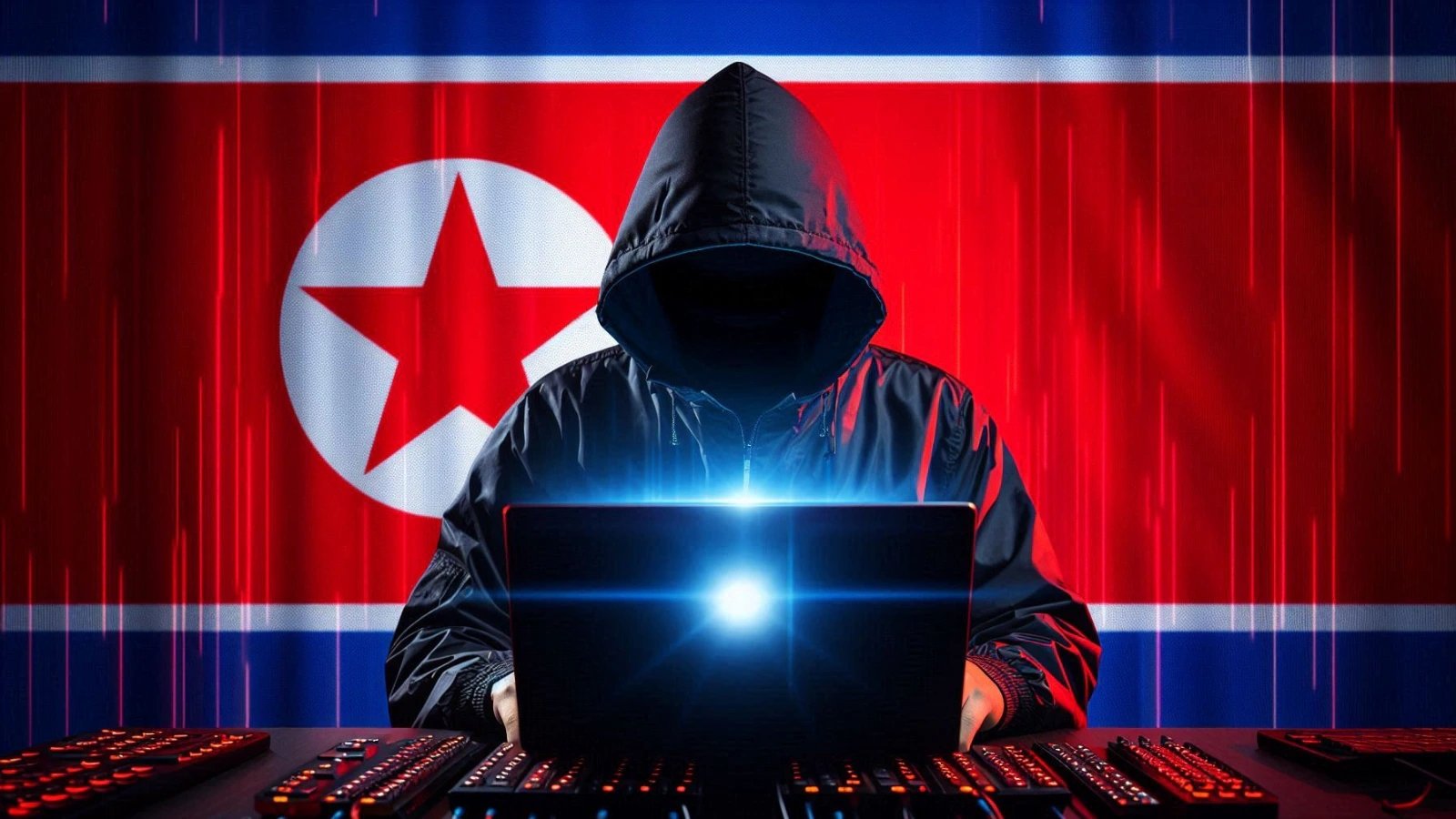
Picture your hard-earned savings vanishing in a digital heist, only to resurface funding missiles pointed at your doorstep—that’s the chilling reality South Korea faces as North Korea’s hackers rake in billions from crypto thefts. In a stunning policy pivot, Seoul is now openly mulling tougher sanctions after U.S. revelations tied over $3 billion in stolen digital assets directly to Pyongyang’s nuclear buildup, marking a rare moment where cybercrime flips the script on decades-old geopolitical standoffs.
The Shadowy World of North Korea’s Crypto Heists: Billions Vanished Overnight
North Korea’s cyber squads, like the notorious Lazarus Group, aren’t just pranksters—they’re state-sponsored thieves pulling off capers that would make Ocean’s Eleven blush. Over the past three years, they’ve swiped more than $3 billion in cryptocurrency through slick hacks on exchanges, ransomware, and sneaky social engineering tricks. It’s like robbing a bank without ever leaving your desk, using malware and fake identities to drain hot wallets dry.
For regular folks, this means your favorite crypto app could be next, with stolen funds laundering through mixers into cash that buys uranium or missile parts—turning playground investments into real-world threats.
Lazarus Group: The Elite Hackers Behind the Headlines
Dubbed the “world’s most aggressive cryptocurrency thief” by experts, Lazarus has evolved from DDoS attacks on South Korea to mega-heists like the $1.5 billion Bybit swipe in February 2025. They pose as freelance devs, infiltrate companies, then strike—pocketing billions while evading sanctions like ghosts in the machine.
Seoul’s Wake-Up Call: Why Sanctions Are Suddenly on the Table
South Korea’s Second Vice Foreign Minister Kim Ji-na dropped a bombshell in a recent interview: Seoul is “open to reviewing sanctions if really needed,” directly linking Pyongyang’s crypto grabs to nuclear threats hitting close to home. This isn’t knee-jerk; U.S. Treasury sanctions on eight North Koreans and two firms exposed laundering networks funneling stolen crypto straight to weapons programs.
It’s a family feud gone digital—South Korean firms suffer collateral damage from these hacks, eroding trust in crypto and forcing everyday traders to wonder if their gains fund the enemy up north.
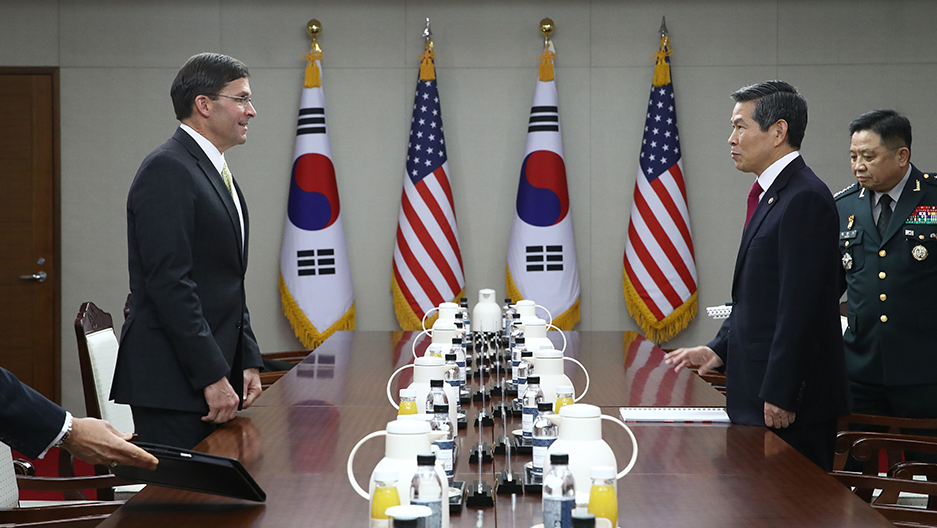
U.S. Crackdown Sparks Seoul’s Bold Response
Fresh off sanctioning North Korean bankers and IT fronts, Washington highlighted over $3 billion laundered since 2022. Seoul’s response? Eyeing blocks on DPRK wallets and tighter rules, aligning with allies to choke this cyber cash flow before it buys another nuke.
Breaking Down the $3 Billion Haul: From Hacks to Hidden Nukes
Chainalysis and UN reports paint a grim picture: North Korea stole $2 billion+ in 2025 alone, topping records with the Bybit bonanza accounting for 69% of global crypto thefts mid-year. Funds slip through DeFi mixers, overseas IT scams, and shell companies in China/Russia, bypassing sanctions to fuel missiles and reactors.
Imagine: One hack equals years of traditional smuggling—efficient, anonymous, and devastating for global security.
How the Money Flows to Missiles and Beyond
Stolen crypto converts to fiat via over-the-counter desks or stablecoins, buying raw materials like copper for munitions. UN experts trace it to WMD programs, with IT workers abroad remitting salaries that dodge repatriation bans.
Everyday Impacts: Why This Hits Home for You and Me
Beyond headlines, these thefts spike crypto volatility, scare off investors, and hike fees as exchanges beef up security. For South Koreans, it’s personal—hacks disrupt daily trading, while nuclear funding amps up border tensions, making peace feel farther away.
A Multilateral Sanctions Monitoring Team report warns this funds “unlawful weapons,” threatening regional stability and your digital wallet alike.

Challenges Ahead: Can the World Plug the Crypto Leak?
Hackers adapt fast—social engineering trumps old exploits, and mixers obscure trails. Regulators lag, with delistings and bans struggling against decentralized tech. Seoul’s potential sanctions could set precedents, but need global buy-in to truly hurt.
Future Outlook: A Tighter Net or Escalating Cyber War?
As 2025 thefts shatter records, expect more joint U.S.-Seoul actions, perhaps blockchain monitoring mandates or bounty programs. This exclusive shift signals crypto’s role in geopolitics is here to stay—watch for tougher rules that protect your assets while starving rogue regimes. In a connected world, one click could fund a crisis; staying informed might just save the day.