
Introduction: The Hype and Crash of YZY
Imagine waking up to news that a celebrity you admire has launched a shiny new cryptocurrency, promising a revolutionary “new economy.” You jump in, excited by the buzz, only to watch your investment plummet within hours. This is the story of Kanye West’s YZY meme coin on the Solana blockchain—a rollercoaster of hype, hope, and hard lessons. Launched with fanfare, YZY soared to a $3 billion market cap in just 40 minutes before crashing dramatically, leaving many retail investors reeling. Analysts are now sounding the alarm about the dangers of hype-driven tokens like YZY, urging everyday investors to tread carefully in the volatile world of meme coins. In this article, we’ll break down what happened with YZY, why it crashed, and what it means for you—without the jargon, just the facts.
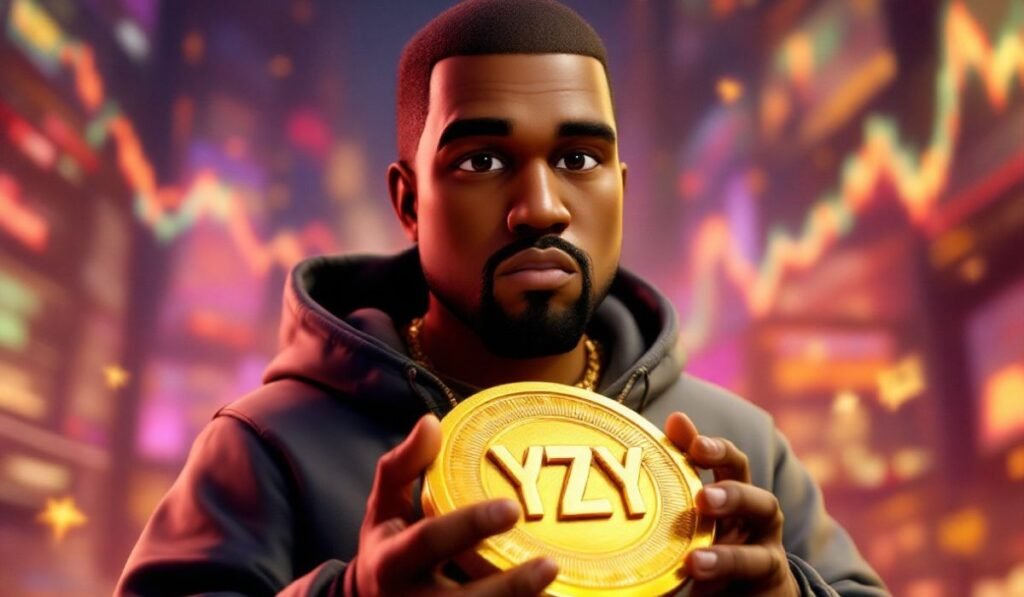
What Is the YZY Meme Coin?
A Celebrity-Driven Crypto Experiment
Kanye West, now legally known as Ye, unveiled the YZY token on August 20, 2025, as part of his ambitious YZY Money ecosystem. Built on the Solana blockchain, known for its fast transactions and low fees, YZY was pitched as more than just a meme coin. It promised to power a new financial system, including Ye Pay (a payment processor to cut merchant fees) and YZY Card (a debit card for spending YZY and stablecoins like USDC). The project’s website described it as “a concept to put you in control, free from centralized authority,” tapping into the crypto dream of financial freedom.
The token’s launch was a spectacle. Ye announced it on his X account with over 33 million followers, sharing a video and the official contract address. The hype was electric, with YZY’s market cap skyrocketing to $3 billion in under an hour, according to CoinGecko. But the euphoria didn’t last.
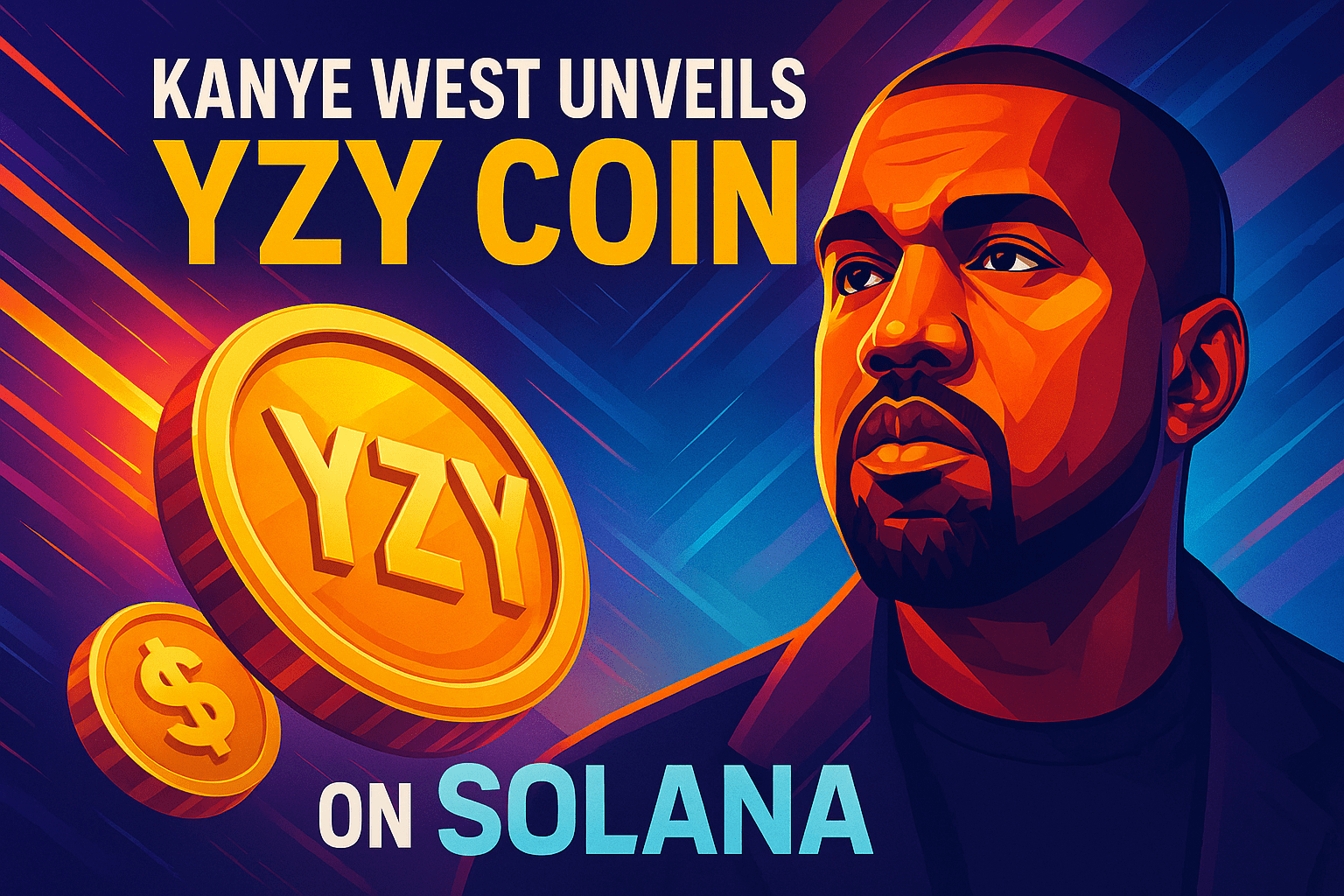
Why Did YZY Crash So Fast?
The Perils of Insider Control
The YZY token’s rapid rise was matched by an equally swift fall, dropping 55-70% within hours, with its market cap shrinking to around $1 billion or less. Why? Analysts point to a combination of insider dominance and structural flaws. On-chain data revealed that 90% of YZY’s supply was controlled by just six wallets, with 70% allocated to Yeezy Investments LLC, Ye’s company. Only 20% was available to the public, and 10% went to liquidity, creating a highly centralized token—ironic for a project promising decentralization.
This setup allowed insiders to cash out big. For example, one wallet spent 1.55 million USDC to buy 996,453 YZY tokens at $1.56, only to sell at $1.06, losing $500,000 in two hours. Another insider bought 2.67 million YZY with 12,170 SOL (worth $2.28 million) and held unrealized gains of $6 million at the peak. Such moves left retail investors, who bought in on the hype, holding the bag when whales dumped their tokens.

Weak Liquidity and Hype Over Substance
YZY’s liquidity pool was another red flag. Unlike typical crypto pools that pair tokens with stablecoins like USDC, YZY’s pool contained only YZY tokens. This single-sided design made it easy for large holders to manipulate prices by adding or removing liquidity, a tactic seen in controversial tokens like LIBRA. The lack of stablecoin backing meant price swings were amplified, and when the hype faded, the token crashed hard.
Analysts also noted YZY’s reliance on celebrity-driven excitement rather than real-world utility. While Ye Pay and YZY Card sound promising, their adoption is uncertain, and the token’s value was tied more to Ye’s fame than to tangible use cases. As Meme Insider put it, “YZY carries classic meme coin traits: celebrity-driven attention, speculative flows, and mixed messaging.” This volatility is why experts warn that meme coins are often “attention-first, fundamentals-later.”
The Risks of Hype-Driven Meme Coins
A Pattern of Boom and Bust
YZY isn’t the first celebrity token to follow this pattern. In 2025 alone, tokens like TRUMP and LIBRA saw similar boom-and-bust cycles. Argentina’s LIBRA, endorsed by President Javier Milei, soared to $4 billion before collapsing after he deleted his promotional post. These cases show how celebrity hype can drive massive gains but also lead to devastating losses when the buzz fades or insiders sell.
Meme coins thrive on social media buzz, often amplified by platforms like X, where posts about YZY’s launch fueled speculation. But as one X user noted, “YZY is pure meme mania—flash pump, brutal 90% crash, and whales already nuking exits while most retail got rinsed.” This sentiment reflects the reality: meme coins are high-risk bets, and retail investors often bear the brunt of the fallout.
Regulatory Red Flags
The YZY crash has also drawn regulatory scrutiny. Centralized token distributions, where insiders hold most of the supply, raise concerns about market manipulation. Experts warn that such tokens could face investigations, especially as regulators crack down on celebrity-endorsed cryptos. The YZY scenario echoes past controversies like Coinye (a 2014 Kanye-inspired token) and Swasticoin, which collapsed amid similar hype-driven chaos.
What Can Investors Learn?
Stick to Fundamentals
Analysts are urging investors to focus on projects with real utility, adoption, and transparent tokenomics. For example, projects like Remittix (RTX), which offers cross-chain payment solutions and staking, are gaining traction for their practical use cases. Unlike YZY, these tokens prioritize long-term growth over short-term hype. As one analyst said, “Meme coins can deliver quick gains, but they also carry sudden crashes. For long-term growth, focus on crypto with measurable adoption.”
Protect Yourself in the Crypto Wild West
If you’re tempted by meme coins, here’s how to stay safe:
- Verify the Contract Address: YZY used 25 contract addresses to deter snipers, but only one was official. Always double-check the address on platforms like Solscan or GMGN.AI to avoid scams.
- Start Small: Meme coins are volatile. Test trades with small amounts to limit losses.
- Watch for Red Flags: High insider control, thin liquidity, and hype-driven price spikes are warning signs.
- Use Trusted Tools: Platforms like GMGN.AI offer real-time tracking and security checks to spot risky tokens.

Why Solana? The Meme Coin Hub
Solana’s role in YZY’s story is no accident. Its low fees and fast transactions make it a hotspot for meme coins, attracting projects like YZY, TRUMP, and others. In 2025, Solana’s ecosystem saw trading volumes soar, with YZY alone recording $386 million in 24-hour volume at its peak. But this speed also fuels speculative frenzy, making Solana a double-edged sword for retail investors.

Conclusion: Hype Doesn’t Equal Value
Kanye West’s YZY token is a stark reminder that celebrity hype doesn’t guarantee crypto success. Its meteoric rise and brutal crash highlight the risks of meme coins, where insider control and weak fundamentals can leave everyday investors burned. For those navigating the crypto space, the lesson is clear: do your homework, prioritize utility over buzz, and never invest more than you can afford to lose. As the crypto market matures, projects with real-world adoption will likely outshine fleeting hype-driven tokens like YZY.
Disclaimer: This article is for informational purposes only and not financial advice. Cryptocurrency investments are highly volatile and risky. Always conduct your own research and consult a professional before investing.