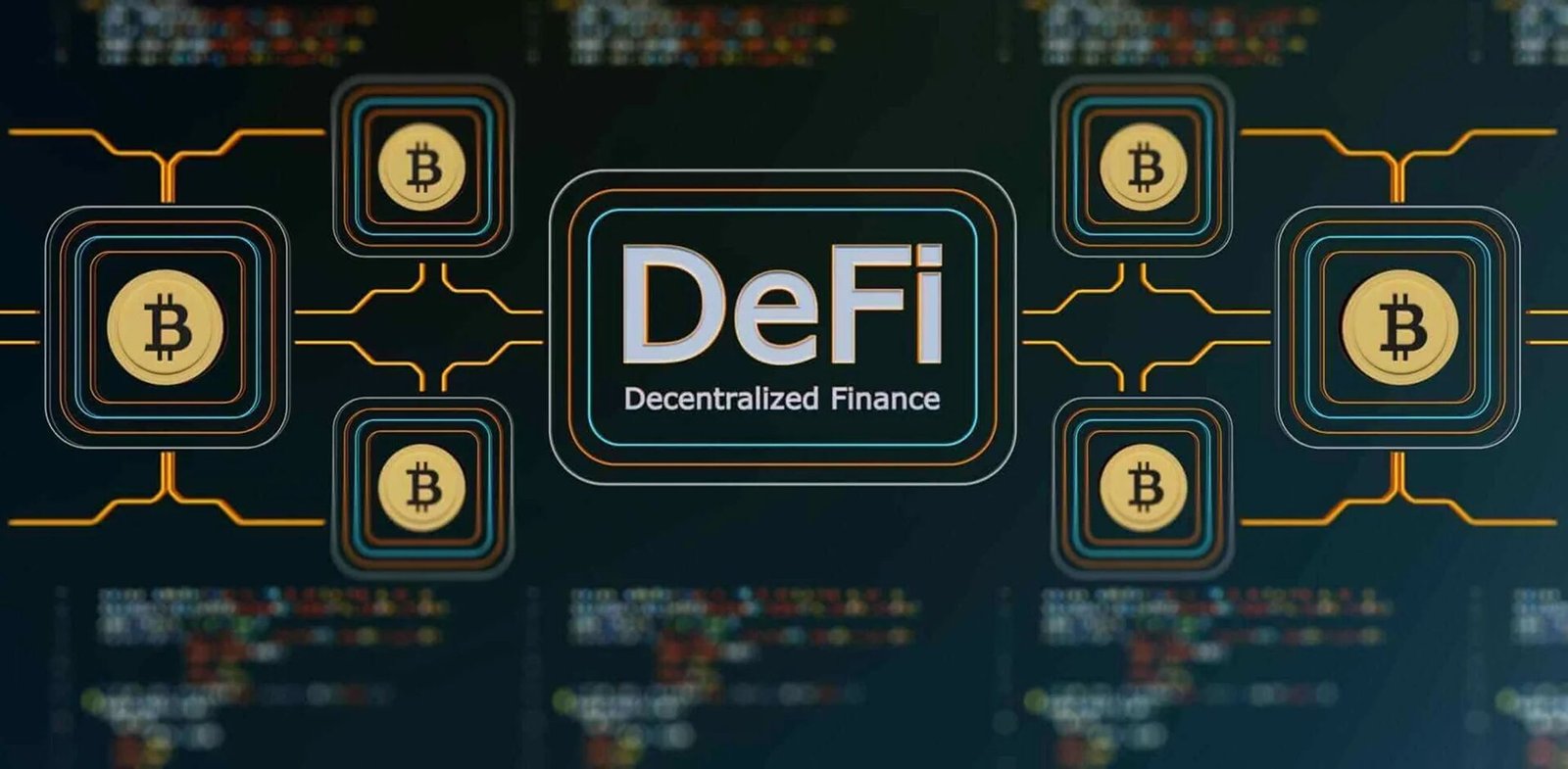
Introduction: The Future of DeFi is Connected
Imagine a world where your money flows effortlessly between different blockchain networks, like water moving through interconnected streams. This is the promise of multi-chain decentralized finance (DeFi), where cross-chain liquidity is breaking down barriers and making crypto more accessible than ever. Unlike traditional DeFi, which often operates within a single blockchain, multi-chain systems allow assets and data to move seamlessly across networks like Ethereum, Solana, and Binance Smart Chain. For everyday users, this could mean simpler, cheaper, and faster financial services—paving the way for DeFi to go mainstream. Let’s explore how cross-chain liquidity works, why it matters, and how it could bring millions into the DeFi fold.
What is Multi-Chain DeFi?
The Basics of Cross-Chain Liquidity
DeFi, or decentralized finance, lets you lend, borrow, or trade assets without banks or middlemen, all powered by blockchain technology. But most DeFi platforms are tied to one blockchain, limiting their reach. Multi-chain DeFi changes this by enabling assets to move between blockchains using bridges or protocols. For example, you could use your Ethereum-based tokens on Solana’s network without selling or converting them manually.
Cross-chain liquidity refers to the ability to pool and share assets across these networks, creating deeper markets and better prices. A 2024 study by Chainalysis noted that cross-chain protocols processed over $10 billion in transactions last year, showing their growing importance. For the average person, this means you could earn interest on your crypto in one app, then use it in another, without being stuck on a single platform. Image: A digital illustration of interconnected blockchain networks.

Why Single-Chain DeFi Isn’t Enough
Single-chain DeFi, while groundbreaking, has limitations. Ethereum, for instance, is popular but often slow and expensive due to high gas fees. Other chains like Solana offer speed but lack Ethereum’s vast ecosystem. Users end up fragmented, with assets locked in one network. Cross-chain solutions aim to unite these ecosystems, making DeFi more flexible and user-friendly.
The Mechanics of Cross-Chain Liquidity
How Cross-Chain Bridges Work
Cross-chain bridges act like highways between blockchains. They lock your assets on one chain (say, Ethereum) and issue equivalent tokens on another (like Polygon). Protocols like Wormhole and LayerZero have made this process smoother, with Wormhole facilitating over $2.5 billion in cross-chain transfers in 2024, according to DefiLlama. For users, this means you can move your stablecoins or NFTs between chains in minutes, not days.
Liquidity Pools Across Chains
Liquidity pools are the heart of DeFi, where users deposit assets to enable trading or lending. In a multi-chain setup, these pools span multiple blockchains, increasing liquidity and reducing price volatility. Imagine depositing USDC into a pool on Binance Smart Chain and earning rewards from trades on Avalanche. This interconnectedness makes DeFi more efficient and attractive to newcomers. Image: A visual of a liquidity pool with interconnected chains.
Benefits of Cross-Chain Liquidity for Mass Adoption
Lower Costs and Faster Transactions
High fees and slow transactions are major hurdles for DeFi adoption. Cross-chain liquidity lets users choose cheaper or faster networks without sacrificing access to their favorite apps. For example, you could swap tokens on Solana for low fees and then lend them on Ethereum’s Aave. A 2025 report by Deloitte predicts that cross-chain solutions could cut DeFi transaction costs by up to 30%, making it more affordable for everyday users.
Accessibility for Newcomers
Multi-chain DeFi simplifies the user experience. Instead of navigating multiple wallets or exchanges, you can interact with one platform that works across chains. Projects like Polkadot and Cosmos are leading the way, with user-friendly interfaces that don’t require a tech background. This ease of use could bring in millions who’ve been intimidated by crypto’s complexity.

More Opportunities for Investors
Cross-chain liquidity opens up diverse investment options. You could stake tokens on one chain, borrow against them on another, and trade on a third—all within a single ecosystem. This flexibility appeals to both casual users and serious investors, driving broader adoption. Image: A person using a mobile DeFi app with multiple chain logos.
Challenges to Overcome
Security Risks
Cross-chain bridges have faced hacks, with over $2 billion lost to exploits since 2022, per a Cointelegraph report. For users, this means choosing trusted protocols and staying cautious. Developers are working on solutions like zero-knowledge proofs to enhance security, but risks remain a concern.
Complexity and Interoperability
Not all blockchains play well together. Differences in coding languages or consensus mechanisms can create hiccups. Projects like Chainlink’s CCIP (Cross-Chain Interoperability Protocol) are addressing this, but full interoperability is still a work in progress. For the average user, this might mean occasional delays or compatibility issues.
The Road to Mass Adoption
Real-World Use Cases
Multi-chain DeFi isn’t just for crypto nerds—it has practical applications. Imagine paying for groceries with stablecoins from any blockchain or getting a loan using assets spread across Ethereum and Solana. Platforms like Aave and Curve are already experimenting with cross-chain features, making DeFi more relevant to daily life.
Community and Developer Support
The DeFi community is rallying behind multi-chain solutions. Posts on X in 2025 highlight excitement around projects like Polkadot and Avalanche, which are building cross-chain ecosystems. Developer activity is also surging, with over 5,000 active DeFi developers working on cross-chain protocols, according to Electric Capital’s 2024 report. This momentum signals a bright future for adoption.
Conclusion: A Connected DeFi Future
Multi-chain DeFi, powered by cross-chain liquidity, is tearing down the walls between blockchains. By making transactions cheaper, faster, and more accessible, it’s paving the way for millions to embrace DeFi—whether they’re saving, investing, or just exploring. While challenges like security and complexity remain, the progress is undeniable. For the everyday person, this means a world where crypto isn’t just for techies but for anyone with a smartphone and a dream. As multi-chain DeFi grows, it could be the key to unlocking crypto’s full potential.
Sources:
- Chainalysis, 2024: “Cross-Chain DeFi: Transaction Volume Report”
- DefiLlama, 2024: “Wormhole Bridge Transaction Statistics”
- Deloitte, 2025: “The Future of DeFi: Cost Reduction Through Interoperability”
- Cointelegraph, 2024: “Cross-Chain Bridge Hacks: A Growing Concern”
- Electric Capital, 2024: “Developer Activity in DeFi Ecosystems”
- Posts on X, August 2025: Sentiment on multi-chain DeFi projects