
Picture a country sitting on a massive pile of cash, tucked away in bank accounts, barely earning a dime. Now imagine a digital currency that Picture a country sitting on a massive pile of cash, tucked away in bank accounts, barely earning a dime. Now imagine a digital currency that could wake up that money, making it work for everyday people and the economy. Japan’s Central Bank Digital Currency (CBDC), set to launch in 2026, aims to do just that, tapping into $1.3 trillion in dormant deposits. But what does this mean for you, and why is it a big deal? Let’s break it down.
What Is Japan’s CBDC?
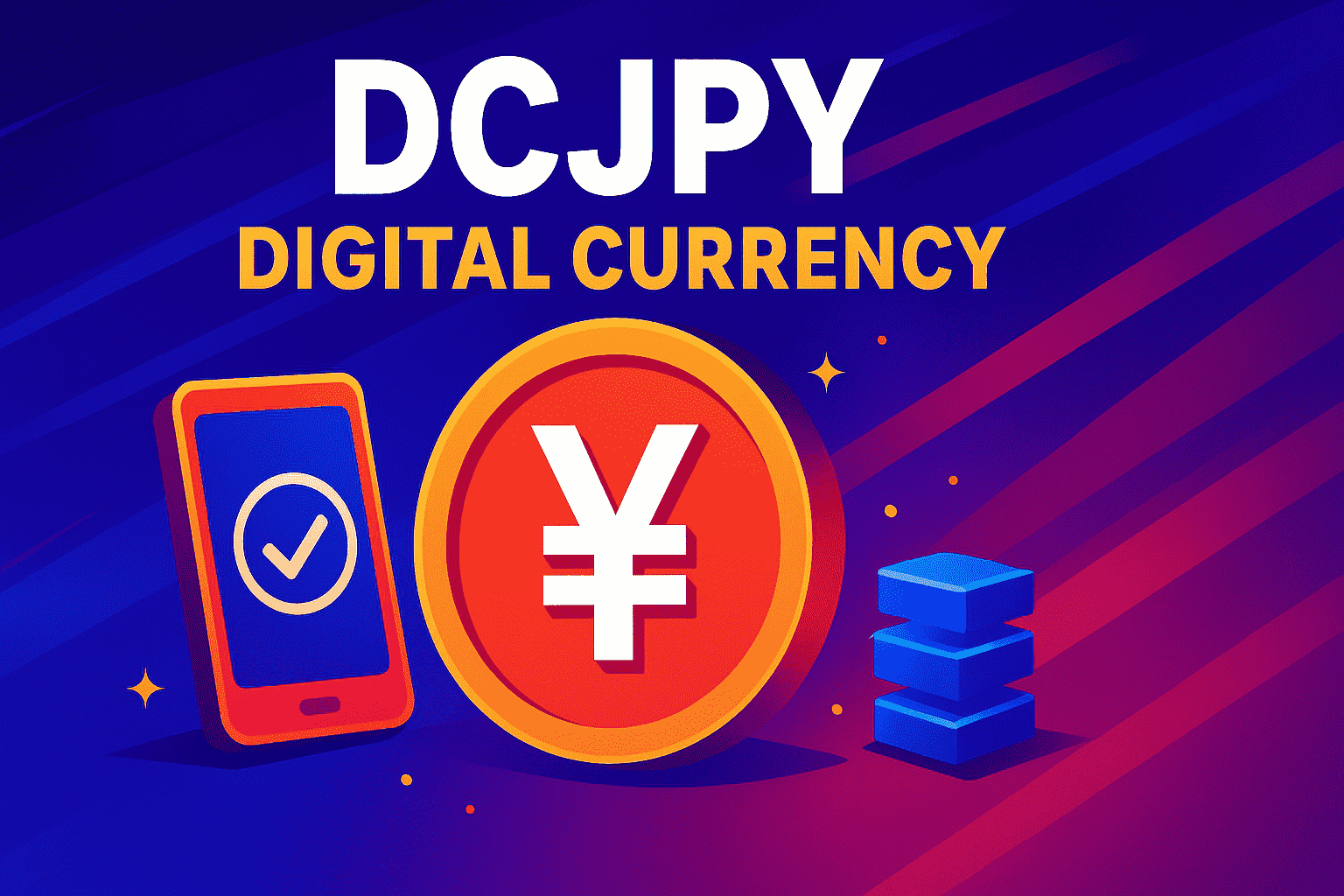
A Central Bank Digital Currency, or CBDC, is like digital cash issued directly by a country’s central bank—in this case, the Bank of Japan (BOJ). Unlike cryptocurrencies like Bitcoin, which are decentralized and volatile, Japan’s digital yen, dubbed DCJPY, will be pegged 1:1 to the yen, ensuring stability. It’s designed to work on a private blockchain, developed by DeCurret DCP, making transactions fast, secure, and traceable.
For the average person, think of DCJPY as money in your phone, usable for instant payments or investments, backed by the trust of Japan’s government. It’s not about replacing cash but adding a new way to spend, save, and invest, especially for the tech-savvy generation.

The $1.3 Trillion Opportunity
Japan Post Bank, one of the country’s largest financial institutions, manages around ¥190 trillion ($1.3 trillion) in deposits across 120 million accounts. Much of this money sits idle, especially in accounts held by older citizens, earning near-zero interest in Japan’s low-rate economy. The DCJPY aims to change that by letting depositors convert their savings into digital tokens via a mobile app.
Why does this matter? These “dormant” funds could fuel new investments, like tokenized real estate or government bonds, offering returns of 3-5% compared to traditional savings accounts. For everyday folks, this means your savings could grow faster without needing to understand complex markets.
How DCJPY Works for You
The DCJPY will let you swap your bank deposits for digital yen instantly, usable for things like buying digital securities or even non-fungible tokens (NFTs). Unlike current systems where settling trades takes days, DCJPY transactions happen in seconds, boosting efficiency. Imagine paying for groceries or splitting a restaurant bill with a tap, all while your money stays safe on a regulated blockchain.
Japan Post Bank is targeting younger, tech-forward users, moving away from its older customer base tied to its postal savings roots. For beginners, it’s as simple as downloading an app, linking your bank account, and starting to use digital yen—no crypto expertise required.
Beyond Personal Finance: Bigger Impacts
The DCJPY isn’t just for individuals—it could transform how Japan handles money on a larger scale. Local governments are exploring it for distributing subsidies and grants, making aid faster and more transparent. Small businesses could use it for instant cross-border payments, cutting costs and delays.
Globally, the tokenized asset market is expected to hit $18.9 trillion by 2033, according to Boston Consulting Group and Ripple. Japan’s move positions it as a leader in this space, potentially inspiring other countries to follow. It’s like upgrading from a flip phone to a smartphone for the entire financial system.
Challenges to Watch Out For
While exciting, the DCJPY faces hurdles. Older generations, used to cash and traditional banking, may hesitate to adopt it—Japan remains one of the world’s most cash-centric economies, with cash-to-GDP ratios around 20%. Cybersecurity is another concern, especially in a country prone to natural disasters, requiring robust systems to protect users.
There’s also the risk of pulling too much money from traditional banks, which could strain their lending power. The BOJ is testing safeguards, like transaction limits, to prevent this, based on its 2021-2023 pilot programs.

Why This Matters for Everyday People
For the average person, DCJPY could make finance more accessible. You don’t need to be a crypto expert to benefit—just a smartphone and a bank account. It could mean better returns on your savings, faster payments, and even a say in how public funds are used. Plus, it’s a chance to join a global trend, with countries like China already pushing their digital yuan.
Still, start small. Try converting a few yen to DCJPY when it launches, test it for small purchases, and stay updated via trusted sources like the Japan Post Bank website. Crypto and CBDCs are exciting but can be risky, so ease in gradually.
Looking Ahead: Japan’s Digital Future
Japan’s digital yen is more than a tech upgrade—it’s a bold move to shake up a stagnant financial system. By unlocking $1.3 trillion in dormant deposits, it could spark economic growth, empower younger generations, and set a global standard for CBDCs. Whether you’re saving for a rainy day or curious about digital finance, DCJPY offers a glimpse into a future where your money moves as fast as you do. Keep an eye on 2026—it could change how we think about cash.
Japans_CBDC_Article.md
markdown