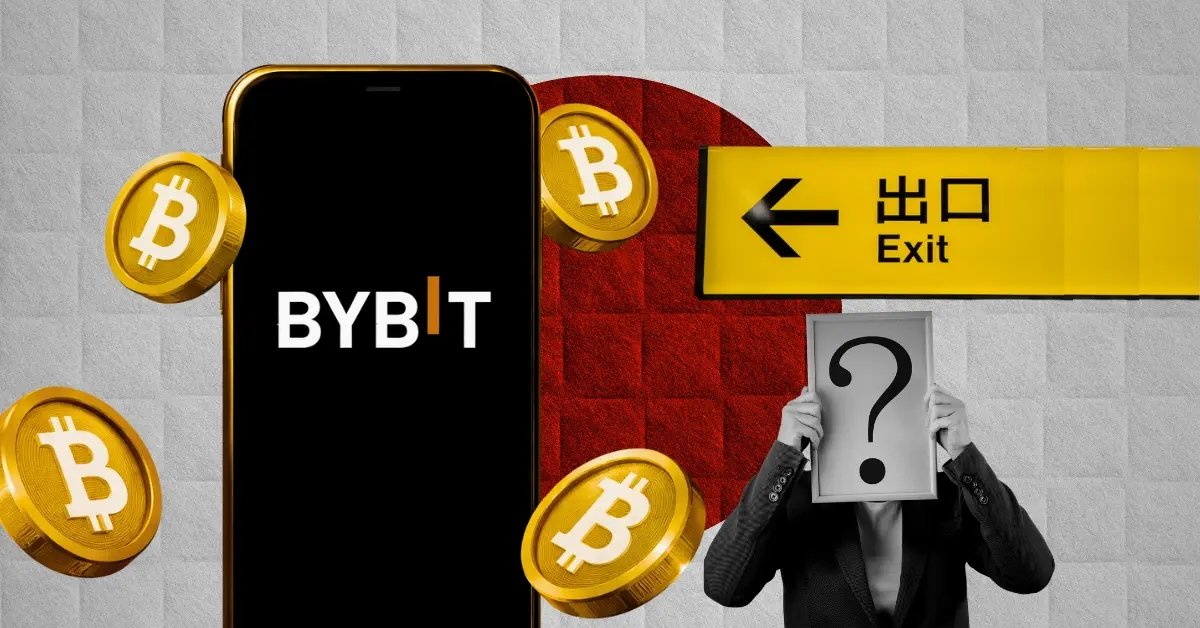
In a move that highlights the growing challenges for global crypto platforms in highly regulated markets, Bybit—one of the world’s top cryptocurrency exchanges—has confirmed it will gradually wind down operations for Japanese residents starting in 2026. This decision comes after years of scrutiny from local authorities, forcing the platform to prioritize compliance over continued access in the country.
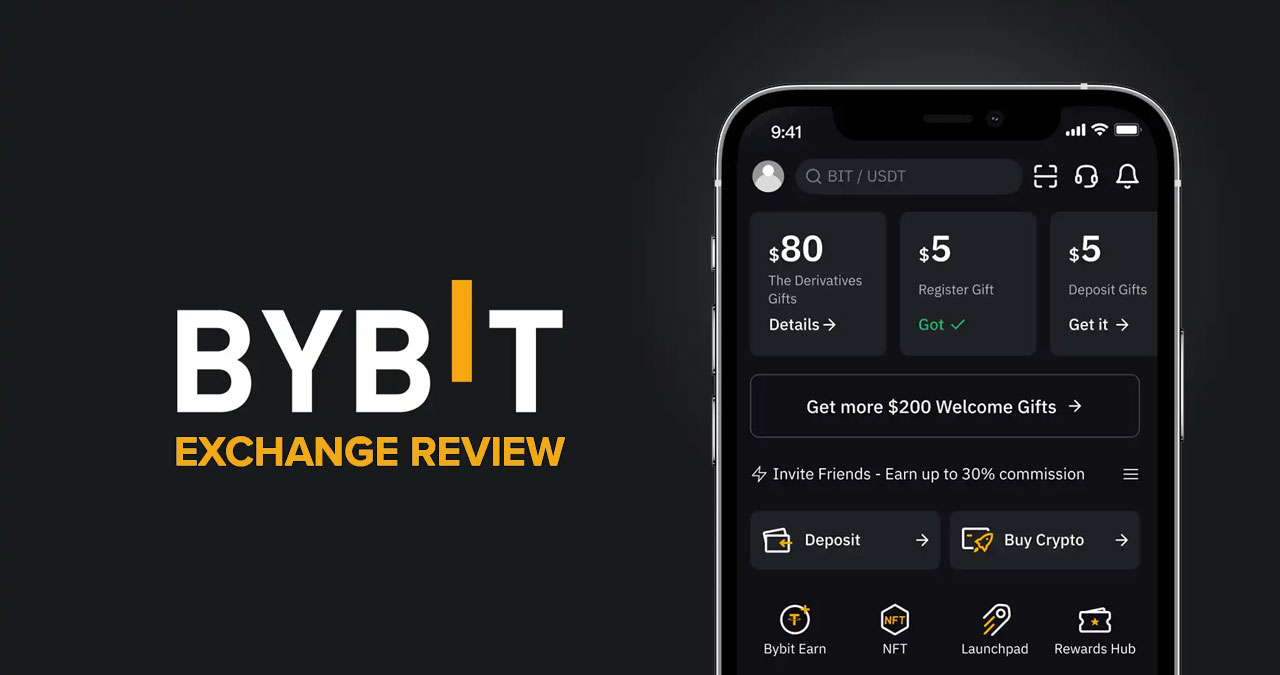
What Exactly is Happening with Bybit in Japan?
Bybit announced on December 22, 2025, that it will begin imposing progressive account restrictions on users identified as Japanese residents from early 2026 onward. Rather than an abrupt cutoff, the exchange is opting for a phased approach, giving people time to adjust.
Key details include:
- Accounts flagged as belonging to Japan-based users will face limits on trading, deposits, and other features over time.
- If you’ve been mistakenly classified, you have until January 22, 2026, to complete advanced identity verification (KYC Level 2, including proof of address) to potentially avoid restrictions.
- This builds on earlier steps, like halting new sign-ups from Japan in October 2025.
The goal? Full alignment with Japan’s rules, avoiding potential penalties while allowing an orderly transition.
Best Crypto Dashboard That Will Change the Way You Work
Why is Bybit Pulling Out Now?
Japan’s Financial Services Agency (FSA) has one of the strictest crypto regulatory frameworks globally, designed to protect investors after past scandals like exchange hacks and collapses. All platforms serving Japanese users must register locally and meet tough standards on security, capital reserves, and customer safeguards.
Bybit, while hugely popular worldwide (often ranking second in daily trading volume with billions processed), isn’t registered with the FSA. The agency has issued warnings to unregistered exchanges like Bybit since 2021 and ramped up enforcement in recent years. In February 2025, the FSA even requested Apple and Google to remove apps for several offshore platforms, including Bybit, from Japanese stores (source: Cointelegraph, December 22, 2025).
Upcoming changes, such as potential reclassification of crypto as financial products and new reserve requirements, add further pressure. As noted in reports from CryptoNews and FinanceFeeds, these rules aim to prevent risks but make it hard for non-local exchanges to operate profitably.

What Does This Mean for Japanese Crypto Traders?
If you’re using Bybit from Japan, start planning ahead. You’ll likely need to:
- Withdraw funds and close positions before restrictions tighten.
- Explore FSA-registered alternatives like BitFlyer, Coincheck, or GMO Coin for continued trading.
- Keep an eye on emails from Bybit for specific timelines and guidance.
On the brighter side, Japan’s crypto market remains vibrant, with strong adoption growth—Chainalysis reported a 120% increase in on-chain activity in recent periods. Local platforms offer reliable options, often with better yen integration.

Bybit’s Bigger Picture: Not Slowing Down Globally
While exiting Japan, Bybit is expanding elsewhere. It recently re-entered the UK market and secured a full license in the UAE, showing a focus on regions with clearer, more supportive rules (sources: CryptoTimes and Blockonomi, December 23, 2025).
This strategic shift underscores a broader trend: Crypto exchanges are adapting to a world of varying regulations, choosing compliant growth over risky markets.
In summary, Bybit’s phased Japan exit reflects the realities of operating in a protected financial landscape. For everyday traders, it’s a reminder to stay informed and diversify platforms. As regulations evolve worldwide, moves like this could become more common, shaping a safer but more structured crypto future.