What if the blockchain quietly handling most of the world’s cheap USDT transfers suddenly started earning more daily fees than flashier networks like Ethereum or Solana? That’s exactly what’s happening right now. Over the past 30 days leading up to mid-March 2026, TRON has climbed to the number-one position in blockchain protocol revenue, collecting around $26 million in fees—often out-earning the next several chains combined in short-term snapshots.
This jump isn’t driven by hype or a token pump; it’s powered by everyday, high-volume usage that keeps the network buzzing. Analytics from DeFiLlama and similar trackers confirm TRON’s lead, with daily fees frequently hitting $900K–$1M during this period. Here’s a clear look at why this matters and what’s behind the numbers.

Understanding Blockchain Revenue in Simple Terms
Every time someone sends crypto, swaps tokens, or interacts with a smart contract, they pay a small fee. These fees go to the network itself (not just miners or validators in every case) and become “revenue” for the protocol. High revenue usually means lots of activity—people are actually using the chain.
TRON stands out because its fees stay ultra-low (often fractions of a cent), encouraging massive transaction counts instead of high per-transaction charges. This volume-based approach has turned steady stablecoin flows into serious income.
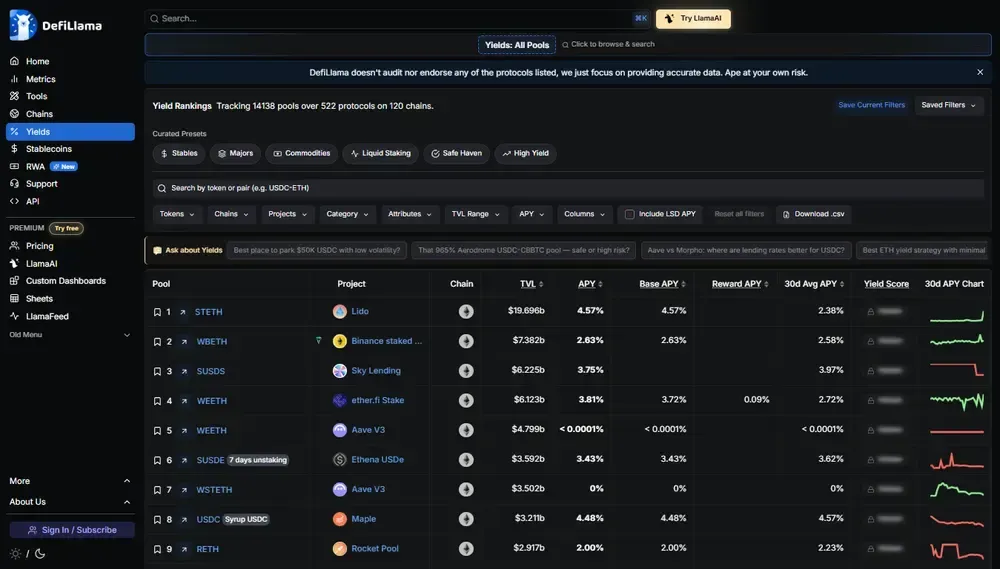
DefiLlama Explained: Features, LlamaSwap & More (2026)
The Main Reason Behind TRON’s Revenue Boom
Stablecoins, particularly Tether’s USDT on the TRC-20 standard, are the star of the show. TRON hosts a huge portion of circulating USDT—billions worth—and serves as the preferred network for fast, inexpensive transfers worldwide.
Think remittances, peer-to-peer payments, trading deposits/withdrawals, or everyday moves in regions where traditional banking is expensive or slow. Millions of these small transactions happen daily, each chipping in a tiny fee that accumulates quickly.

TRON Network Surpasses $70 Billion in Circulating USDT
How TRON Stacks Up Against Other Blockchains
Recent data shows TRON pulling ahead dramatically in fee generation:
- TRON often logs $900K+ daily, leading to that ~$26M 30-day haul.
- Competitors like Base, Ethereum mainnet, or Solana frequently sit much lower in the same windows—sometimes under $200K per day.
This isn’t about one big day; it’s consistent performance fueled by utility rather than speculative trading spikes.
What This Means for Regular Crypto Users
Low fees make TRON practical for real-life scenarios—sending money across borders without losing much to costs, topping up exchange accounts cheaply, or handling micro-payments. For anyone frustrated by high gas on other chains during busy times, TRON feels like a relief.
On the network side, strong revenue supports ongoing development, staking incentives, and overall security. TRON founder Justin Sun has long emphasized this focus on practical adoption over short-term trends.

Justin Sun Net Worth Today: How Rich is Tron Founder? | BanklessTimes
Looking Ahead: Can TRON Hold the Top Spot?
Crypto changes fast—new Layer-2s, upgrades on rivals, or shifts in stablecoin usage could shake things up. Still, TRON’s edge comes from solving a genuine pain point: affordable, reliable transfers at scale.
As long as people need to move USDT quickly and cheaply, this revenue stream looks sustainable. It’s a reminder that in blockchain, boring utility can sometimes generate the biggest wins.
Whether you’re already using TRON or just curious about where crypto money is really flowing, these numbers highlight a chain that’s quietly becoming essential infrastructure.