
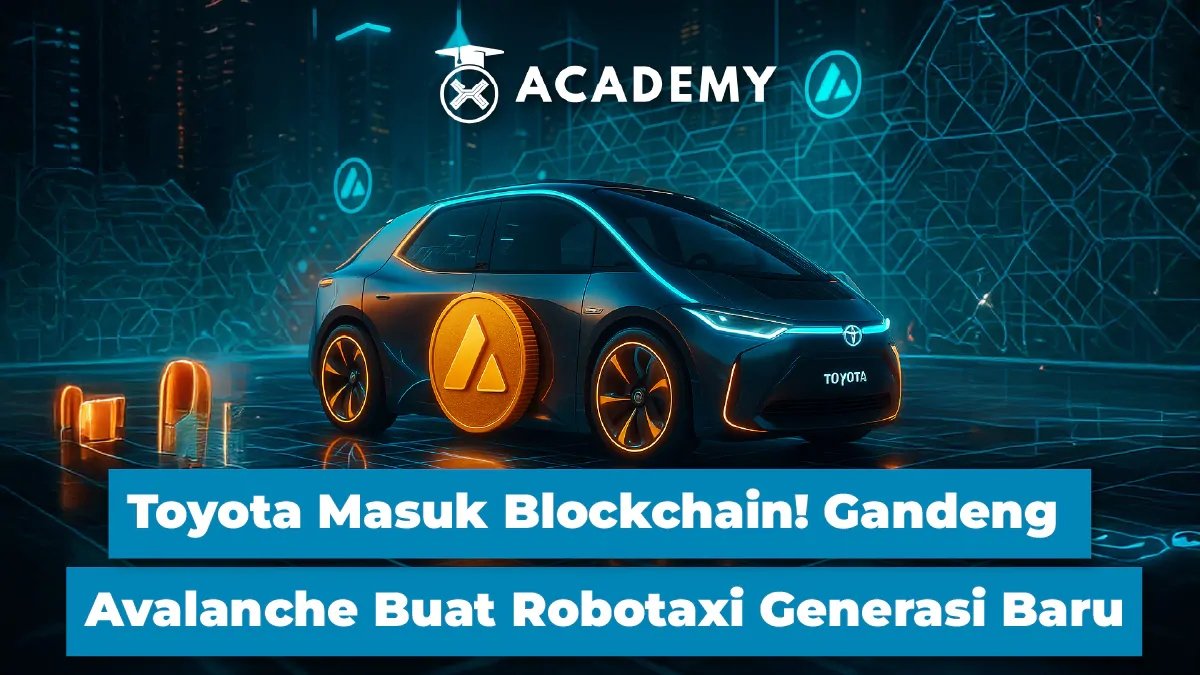
Picture hailing a sleek, driverless taxi that not only gets you to your destination but does so on a platform as secure and fast as your favorite streaming app. In September 2025, Toyota is turning this vision into reality by partnering with Avalanche, a lightning-fast blockchain, to power its robotaxi network. This isn’t just about self-driving cars—it’s about redefining urban mobility with technology that’s transparent, efficient, and built for the future. Let’s dive into how Toyota’s bold move could change the way we move, and why it’s got everyone from commuters to crypto fans buzzing.
Why Toyota Chose Avalanche for Robotaxis
Toyota, a titan in automotive innovation, announced on August 28, 2025, that it’s integrating Avalanche’s blockchain to manage its robotaxi ecosystem. Avalanche, known for its high-speed transactions and low fees, is a layer-1 blockchain that can process thousands of transactions per second—perfect for the real-time demands of a driverless taxi network. Unlike older blockchains like Ethereum, which can get bogged down by congestion, Avalanche’s “subnet” system allows Toyota to create a tailored, private network while leveraging public blockchain security.
This partnership aims to handle everything from ride bookings to payments and vehicle data logging. According to a Bloomberg report, Toyota’s goal is to ensure trust and efficiency in a system where cars, riders, and operators interact seamlessly. For everyday users, this means a robotaxi service that’s not only reliable but also protects your data with cryptographic precision.

How the Robotaxi Network Will Work
The concept is simple yet futuristic: You open an app, book a Toyota robotaxi, and a self-driving vehicle picks you up. Behind the scenes, Avalanche’s blockchain is the backbone, recording every ride detail—from your pickup location to the fare paid—in an unchangeable ledger. This transparency reduces disputes (no more “I didn’t take that route!” arguments) and ensures payments are instant and secure, whether you pay in dollars or crypto like AVAX, Avalanche’s native token.
Avalanche’s tech also tracks vehicle performance, like battery levels or maintenance needs, in real time. This could mean fewer breakdowns and safer rides. As CoinDesk notes, the subnet model lets Toyota scale the network across cities without clogging the blockchain, a problem that’s plagued competitors. For you, it’s as easy as ordering a pizza, but with cars that drive themselves and a system that’s hack-proof.
Why This Is a Big Deal for Commuters
For the average person, Toyota’s robotaxi network promises convenience and affordability. Urban congestion is a nightmare—U.S. drivers lose 99 hours a year to traffic, costing $1,377 per person in time and fuel, per INRIX data. Robotaxis could cut this by optimizing routes and reducing the need for personal cars. Plus, Avalanche’s low transaction fees—often under a cent—mean cheaper rides compared to traditional services burdened by middlemen.
The blockchain also adds trust. Worried about data privacy? Avalanche’s decentralized setup ensures no single company (not even Toyota) can misuse your ride history. On X, users are hyped: One called it “Uber but without the corporate baggage,” highlighting the appeal of a transparent system. This could make robotaxis a go-to for city dwellers, especially millennials and Gen Z who prioritize tech and sustainability.
The Bigger Picture: Blockchain Meets Mobility
Toyota’s move isn’t just about taxis—it’s a bet on blockchain’s role in the future of transportation. Avalanche’s ability to handle complex data, like real-time traffic patterns or vehicle-to-vehicle communication, could make cities smarter. Imagine traffic lights syncing with robotaxis to avoid jams, all logged securely on the blockchain. A study by McKinsey estimates that autonomous vehicles could save 300,000 lives annually by reducing accidents, and Toyota’s blockchain integration could accelerate this by ensuring reliable operations.
This also ties into broader trends. With Tesla’s robotaxi plans and Waymo’s expansion, competition is fierce, but Toyota’s Avalanche partnership gives it an edge in speed and scalability. As one analyst put it, “Toyota’s not just building cars; they’re building ecosystems.” This could ripple into other industries, like logistics or public transit, where blockchain streamlines operations.

Challenges and Risks to Consider
Nothing’s perfect, and this venture has hurdles. First, regulatory uncertainty: While the U.S. is warming to crypto, rules for blockchain-based services are murky, especially for autonomous vehicles. The National Highway Traffic Safety Administration is still drafting self-driving car guidelines, which could delay rollouts. Second, tech glitches—blockchains are secure but not immune to bugs, and a hiccup could stall a fleet of robotaxis.
Public adoption is another concern. Some folks might hesitate to trust driverless cars, let alone ones tied to crypto tech. On X, a skeptic noted, “Great idea, but what if the blockchain goes down during rush hour?” Toyota will need robust testing and clear communication to win over the masses.
What’s Next for Toyota and Avalanche?
Toyota plans to pilot the robotaxi network in select U.S. and Japanese cities by late 2026, with a full launch targeted for 2028. Avalanche’s role will expand as more vehicles join, potentially integrating with smart city projects like Toyota’s Woven City. The AVAX token could also see a boost if demand for network transactions grows—some analysts predict a 20% price bump by Q1 2026.
For now, Toyota’s move signals a fusion of automotive and blockchain innovation. It’s not just about getting from A to B; it’s about building a system where trust, speed, and efficiency redefine mobility. Whether you’re a commuter tired of traffic or a tech enthusiast eyeing the next big thing, this is worth watching.
In short, Toyota and Avalanche are steering us toward a future where robotaxis aren’t just convenient—they’re revolutionary. Buckle up, because the ride’s about to get wild.


