
Imagine waking up to news that shakes the crypto world like a sudden earthquake: the U.S. government, one of the largest holders of Bitcoin, decides to offload a massive chunk, sending shockwaves through markets and wiping billions off the table in a flash. This isn’t just another volatile day in crypto—it’s a reminder of how government moves can ripple out to everyday investors chasing digital gold.
Understanding the Sell-Off: What Went Down
In a move that caught many by surprise, the U.S. government recently initiated a significant sell-off of its seized Bitcoin holdings, leading to an estimated $12 billion evaporation in value across the broader market. This wasn’t a random decision; it stemmed from ongoing efforts to liquidate assets confiscated from criminal activities, like the infamous Silk Road case and recent scams. According to reports, the government aimed to convert these digital assets into cash for various federal purposes, but the timing amplified market jitters amid already fluctuating prices.
What makes this event stand out is the sheer scale. The U.S. holds billions in Bitcoin from seizures, and dumping even a portion can trigger panic selling. Think of it like a big player in a poker game suddenly folding with a massive stack—it forces everyone else to rethink their hands.

United States Cryptocurrency Market Size, Share & 2030 Growth …
The Roots of U.S. Bitcoin Stash: A History Lesson
To grasp why this sell-off matters, let’s rewind. The U.S. government didn’t buy Bitcoin like a savvy investor; it acquired most through law enforcement busts. Back in 2013, the FBI shut down Silk Road, seizing thousands of Bitcoins worth pennies compared to today’s values. Fast-forward, and seizures from cybercrimes, including a record-breaking one involving Cambodian scammers, have ballooned the holdings to over $36 billion at peak prices.
These assets are managed by agencies like the Department of Justice and U.S. Marshals Service. Historically, they’ve auctioned them off in batches, but past sales now look like missed opportunities—selling early meant forgoing billions as Bitcoin’s price skyrocketed. One analysis estimates the government “lost” $21 billion in potential gains from premature disposals. It’s like selling a vintage car for scrap before it becomes a collector’s item.
Market Ripples: How $12B Vanished Overnight
The immediate fallout was brutal. Bitcoin’s price dipped sharply, erasing gains and triggering a cascade of liquidations. In one week alone, the crypto market saw over $300 billion wiped out, with Bitcoin bears predicting more pain ahead. Why so extreme? Crypto thrives on sentiment, and government sales signal uncertainty, prompting retail investors to sell in droves.
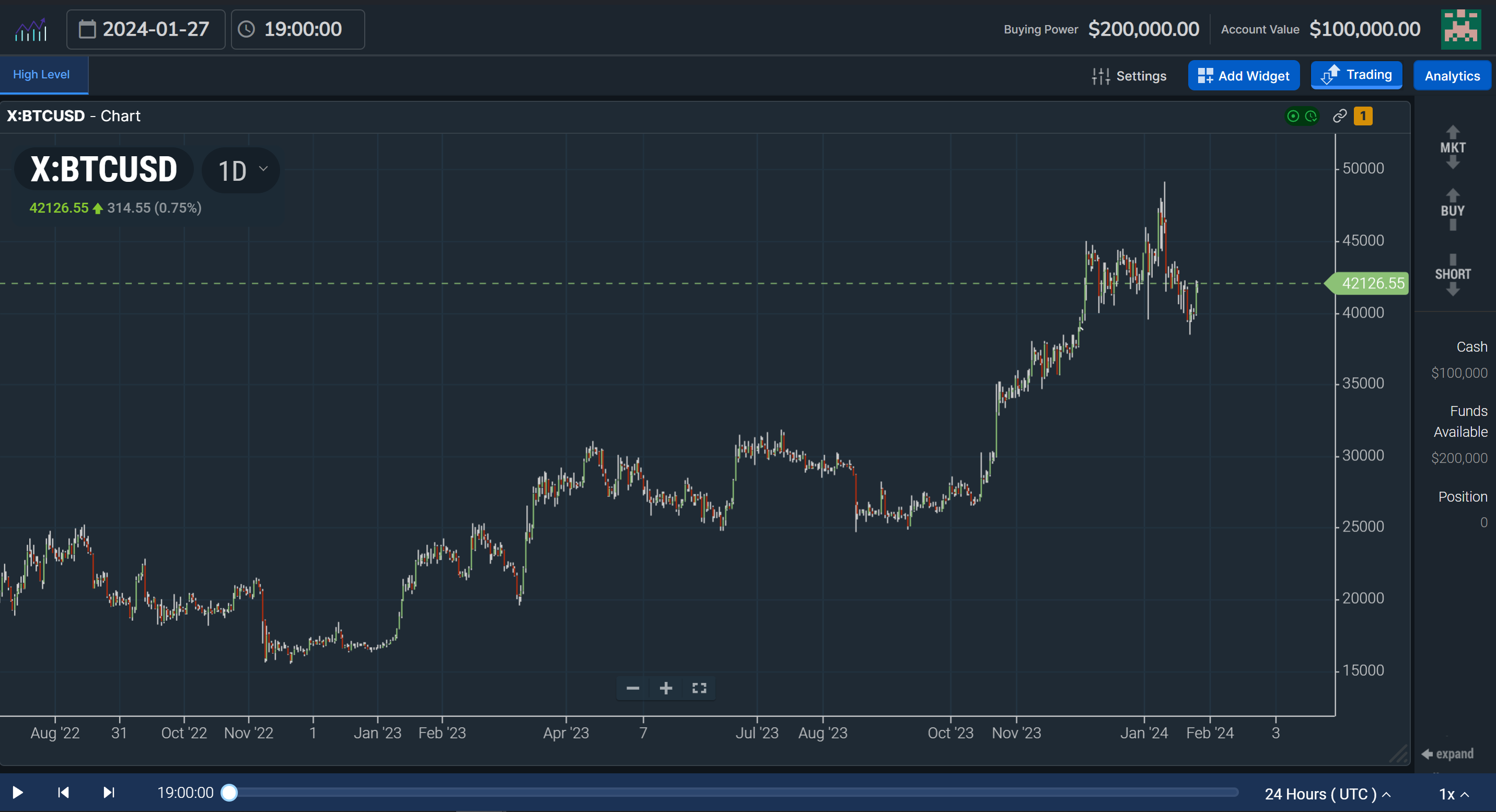
Visualize this: a chart showing Bitcoin’s rollercoaster ride, with sharp drops aligning with news of the sell-off. It’s not just numbers—it’s people’s savings taking a hit.
Crypto Bubble Insights & Trends: A Trader’s Guide for 2025
Beyond Bitcoin, altcoins felt the burn too. The event echoed past crashes, like the $19 billion liquidation frenzy tied to external shocks such as tariffs. For ordinary folks, this means watching your portfolio shrink while wondering if it’s time to buy the dip or bail out.
What This Means for Everyday Investors
If you’re dipping your toes into crypto or already knee-deep, this sell-off is a wake-up call. First, diversify—don’t put all eggs in one Bitcoin basket. Second, stay informed about regulatory moves; governments aren’t just watchers anymore, they’re players.
Experts suggest viewing these events as buying opportunities, given Bitcoin’s history of rebounding stronger. But caution is key: volatility is crypto’s middle name, with hidden selling pressures from overleveraged firms adding fuel to the fire.
Tips to Navigate Future Turbulence
- Monitor News Closely: Use reliable sources to track government actions on crypto reserves.
- Set Stop-Losses: Protect your investments from sudden drops.
- Think Long-Term: Bitcoin has survived bigger storms, emerging as a potential “strategic reserve” in some policy talks.
In the end, this $12B wipeout underscores crypto’s wild ride: thrilling for some, nerve-wracking for others. Whether it’s a blip or a trend, it keeps the world watching.