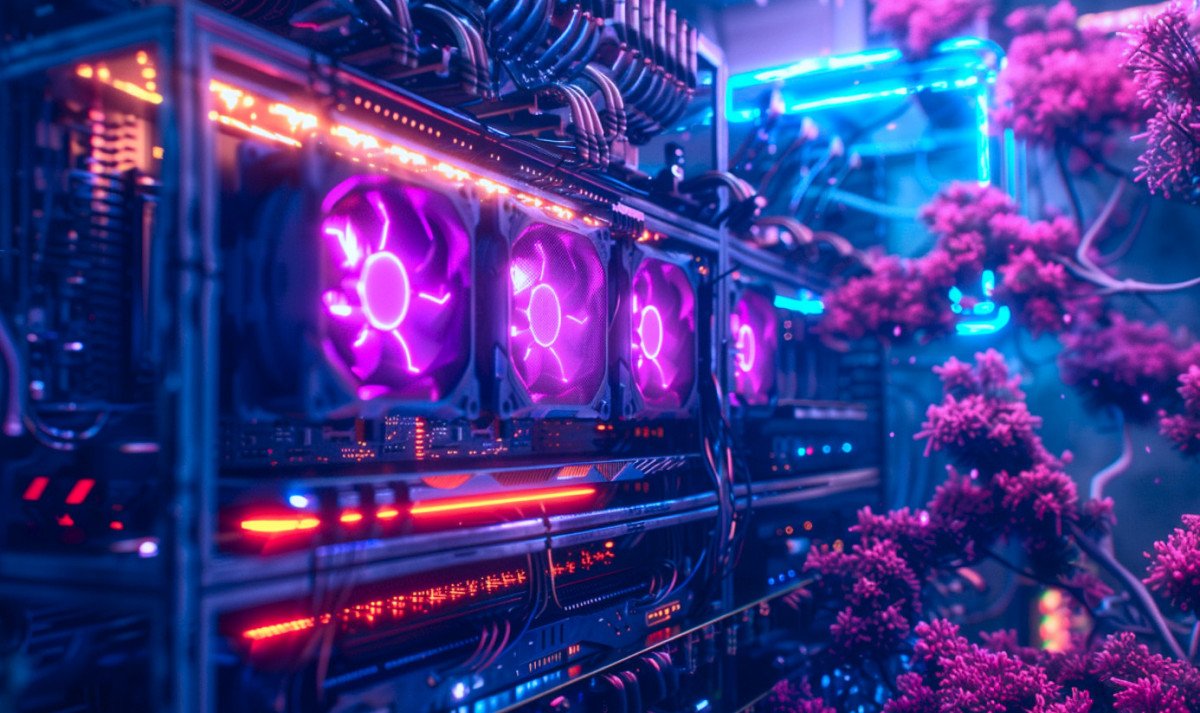
Building a Bitcoin mining rig can feel like stepping into a high-tech gold rush. It’s not just about plugging in some hardware and watching digital coins roll in—it’s a calculated venture that blends technical know-how, cost management, and a bit of market savvy. Whether you’re a tech enthusiast or a curious beginner, this guide breaks down the process into clear, actionable steps to help you create a profitable Bitcoin mining setup. Designed for the everyday reader, we’ll avoid jargon overload and focus on practical advice, backed by credible sources, to ensure your mining journey starts on the right foot.
Why Bitcoin Mining Matters in 2025
Bitcoin mining remains a cornerstone of the cryptocurrency ecosystem, securing the blockchain while rewarding miners with newly minted coins. As of 2025, with Bitcoin’s price fluctuating between $60,000 and $100,000 (based on recent market trends), mining can be lucrative—but only if done efficiently. Rising electricity costs and mining difficulty demand a strategic approach to profitability. This guide will walk you through selecting the right hardware, optimizing your setup, and avoiding common pitfalls, all while keeping costs in check.

Step 1: Understand the Basics of Bitcoin Mining
What is Bitcoin Mining?
Bitcoin mining involves using specialized computers to solve complex mathematical puzzles, validating transactions on the Bitcoin blockchain. Miners are rewarded with Bitcoin for their efforts, but the process requires significant computational power and energy.
Key Factors for Profitability
To make mining profitable, you need to balance three main factors:
- Hardware Costs: High-performance mining rigs are expensive.
- Electricity Costs: Mining is energy-intensive, and power bills can eat into profits.
- Bitcoin’s Market Price: Higher prices mean better returns, but volatility is a risk.
According to a 2024 report by CoinShares, efficient miners with access to low-cost electricity can achieve profit margins of 20-30% in favorable market conditions (CoinShares Mining Report).
Step 2: Choose the Right Hardware
Selecting an ASIC Miner
Bitcoin mining today relies on Application-Specific Integrated Circuit (ASIC) miners, which are purpose-built for mining efficiency. Popular models in 2025 include:
- Bitmain Antminer S21: Offers a hashrate of 200 TH/s with a power consumption of 3,500W.
- WhatsMiner M60: Delivers 170 TH/s at 3,400W.
For beginners, the Antminer S21 is a solid choice due to its balance of cost and performance. Expect to spend $2,000-$4,000 on a new unit (image of Antminer S21).
Other Hardware Needs
You’ll also need:
- Power Supply Unit (PSU): A reliable PSU with at least 80% efficiency (e.g., Corsair 1200W Platinum).
- Cooling System: Fans or liquid cooling to prevent overheating (image of cooling fans).
- Mining Frame: A sturdy rack to house your components safely.
Step 3: Secure Affordable Electricity
Electricity is the biggest ongoing cost in Bitcoin mining. In 2025, global electricity prices average $0.15/kWh, but mining profitability often requires rates below $0.10/kWh. Here’s how to optimize:
- Research Local Rates: Check with your utility provider or consider relocating your rig to areas with cheaper power, like Texas or Iceland.
- Renewable Energy: Solar or wind power can reduce costs. A 2023 study by the University of Cambridge found that 39% of Bitcoin mining now uses renewable energy (Cambridge Bitcoin Electricity Consumption Index).
- Energy-Efficient Hardware: Choose miners with high hashrate-to-power ratios.

Step 4: Set Up Your Mining Rig
Hardware Assembly
- Connect the ASIC Miner: Plug your ASIC into the PSU using the correct cables.
- Install Cooling: Position fans or cooling systems to maintain temperatures below 70°C.
- Secure Internet Connection: Use a stable, high-speed connection for uninterrupted mining.
Software Configuration
Download mining software like CGMiner or BFGMiner, which are compatible with most ASICs. Configure the software to connect to a mining pool (e.g., F2Pool or Slush Pool) to increase your chances of earning rewards. Pools combine computational power, splitting profits among members (image of CGMiner interface).
Safety Tips
- Ensure proper ventilation to avoid fire hazards.
- Use surge protectors to safeguard your equipment.
Step 5: Join a Mining Pool
Solo mining is rarely profitable for individuals due to Bitcoin’s high difficulty level. Mining pools allow you to contribute your computing power and share rewards. Popular pools in 2025 include:
- F2Pool: Known for low fees and reliable payouts.
- Slush Pool: Offers user-friendly dashboards for beginners.
Check pool fees (typically 1-2%) and payout thresholds before joining (F2Pool dashboard).
Step 6: Monitor and Optimize Performance
Track Profitability
Use online calculators like WhatToMine.com to estimate daily profits based on your hashrate, electricity costs, and Bitcoin’s price. For example, an Antminer S21 at $0.08/kWh could yield $5-$10 daily before taxes, assuming Bitcoin is at $80,000.
Maintenance Tips
- Clean Regularly: Dust can reduce efficiency and cause overheating.
- Update Firmware: Check for manufacturer updates to improve performance.
- Monitor Temperatures: Use software to track heat levels and adjust cooling as needed.
Step 7: Consider Long-Term Costs and Risks
Hidden Costs
- Hardware Depreciation: ASICs lose value as newer models emerge.
- Tax Implications: Mining income is taxable in most countries. Consult a tax professional.
- Market Volatility: Bitcoin’s price swings can impact profitability.

Staying Competitive
Bitcoin’s mining difficulty adjusts every 2,016 blocks (roughly two weeks), making it harder to mine as more miners join. Stay informed about new hardware releases and market trends via resources like CoinDesk or Bitcoin Magazine.
Common Mistakes to Avoid
- Ignoring Electricity Costs: Always factor in power expenses before buying hardware.
- Skipping Research: Don’t buy outdated or overpriced ASICs from unreliable vendors.
- Neglecting Cooling: Overheating can damage your rig and reduce profits.
Conclusion: Start Small, Scale Smart
Building a profitable Bitcoin mining rig in 2025 is achievable with careful planning and cost management. Start with a single ASIC, join a reputable pool, and optimize for low electricity costs. As you gain experience, you can scale your operation or explore cloud mining for a less hands-on approach. Stay informed, monitor your setup, and adapt to market changes to keep your rig in the green.
By following these steps, you’re not just building a machine—you’re investing in a dynamic, evolving industry. Happy mining!