From 25K to Unlimited: NYSE FLEX for Bitcoin and Ether ETFs
Picture a highway where every big truck was stuck behind a 25,000-pound weight limit while smaller cars zipped along freely. That was the reality for options trading on Bitcoin and Ethereum ETFs—until now. The New York Stock Exchange just removed those old restrictions, opening the road to much larger positions and custom-built trades. This quiet rule change could quietly reshape how institutions—and eventually everyday investors—engage with crypto through familiar stock-market tools.

Wall Street Loves Ethereum ETFs. It’s Just Not Sure How to Sell Them Yet – Decrypt
What Exactly Changed—and Why It Happened Fast
In early March 2026, NYSE Arca and NYSE American filed simple rule updates with the SEC. The big news? They scrapped the 25,000-contract position and exercise limit that had been in place since crypto ETF options launched in November 2024. The SEC waived the usual 30-day review, so the changes took effect immediately.
Now these options follow the same rules as options on gold or silver ETFs. For highly liquid funds, that means position limits can climb to 250,000 contracts or more, based on trading volume and shares outstanding. No more artificial ceiling at 25,000.
The exchanges also lifted barriers that blocked FLEX options—short for Flexible Exchange Options. These let traders pick their own strike prices and expiration dates instead of sticking to the standard menu.
How to Trade Options: A Beginner’s Guide
FLEX Options 101: Custom Tools for Serious Players
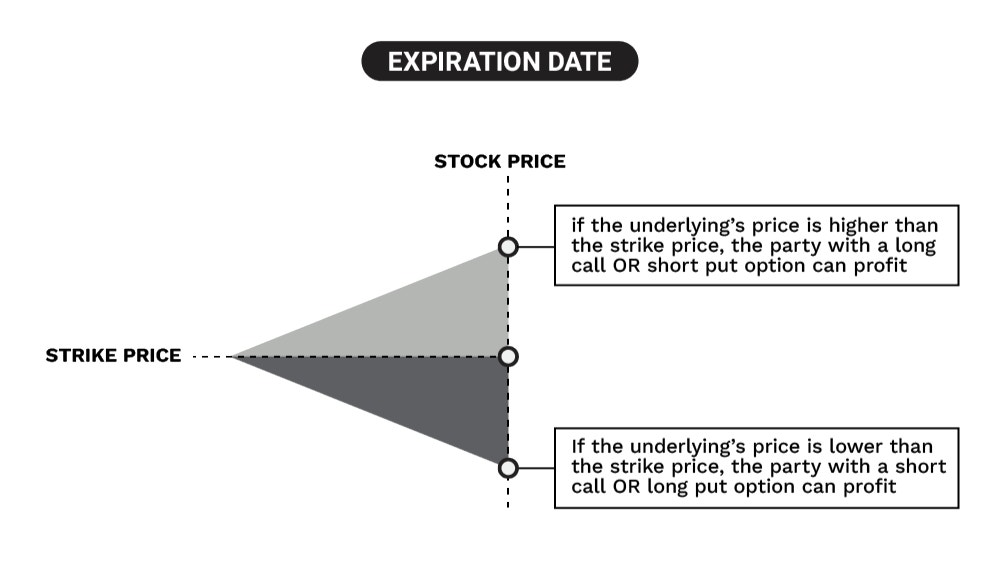
Think of regular options like buying a ready-made suit off the rack—limited sizes and styles. FLEX options are like going to a tailor. You decide the exact measurements (strike price) and when you want to pick it up (expiration).
Before this change, crypto ETF options couldn’t use that tailor service. Now they can. Institutions can build precise hedges, run complex strategies, or create structured products that match their exact needs. It’s the same flexibility already enjoyed by traders in gold (GLD) or silver (SLV) ETFs.
For regular folks who don’t trade options, this still matters. More professional money flowing smoothly usually means tighter spreads, better prices, and a more stable market overall.
The 11 ETFs Now Operating Without the Old Cap
This upgrade applies across 11 popular spot Bitcoin and Ether ETFs listed on the NYSE:
- BlackRock’s iShares Bitcoin Trust (IBIT)
- Fidelity’s Wise Origin Bitcoin Fund (FBTC)
- ARK 21Shares Bitcoin ETF (ARKB)
- Grayscale Bitcoin Trust and its Mini version
- Bitwise Bitcoin ETF
- Grayscale Ethereum Trust ETF and Mini version
- Bitwise Ethereum ETF
- iShares Ethereum Trust ETF
- Fidelity Ethereum Fund
These are the heavy hitters that already manage billions. Now their options can scale with real demand instead of an old safety cap.

Bitcoin ETF approval: what could it mean? – by Jonny Fry
Why Everyday Investors Should Care
You might never buy a single options contract yourself. But when big players can trade larger sizes and customize their bets, liquidity improves across the board. That often translates to:
- Smoother price movements
- Easier buying and selling of the ETFs themselves
- More institutions comfortable adding crypto to portfolios
Bloomberg ETF analyst Eric Balchunas pointed out that even with the old 25,000 cap, IBIT alone generated nearly $1.9 billion in notional exposure on its first options day. Imagine what happens now that the brakes are off.
It’s another step in turning crypto from a wild frontier into something that sits comfortably next to traditional assets in a retirement account or brokerage.
How This Lines Up With Gold, Silver, and Other Commodities
Until recently, crypto ETF options felt like the odd one out. Gold and silver options had no such tight caps and full FLEX access for years. The NYSE has now brought Bitcoin and Ether in line with those established commodity products.
Position limits are no longer a fixed number—they scale with how much the ETF actually trades. Liquid giants like IBIT can now support truly large institutional positions without hitting an arbitrary wall. This levels the playing field and signals regulators see crypto ETFs as mature enough for the big leagues.
What’s Next for Crypto ETF Options
Other exchanges (Nasdaq, Cboe, etc.) already made similar moves earlier this year. The entire U.S. options market for these ETFs is now on the same page. Some analysts expect even higher limits in the future—Nasdaq ISE has a proposal on the table to let IBIT options reach one million contracts.
For the broader market, more flexible trading often means more volume, tighter pricing, and better risk management tools. That’s good news whether you hold a few shares of IBIT in your IRA or simply follow Bitcoin prices out of curiosity.
Q2 Liquidity Ranking for Crypto Assets – Kaiko – Research
The Bottom Line: A Maturing Market Moment
Going from a strict 25,000-contract cap to essentially unlimited (scaled to liquidity) plus full FLEX capability isn’t just paperwork—it’s a milestone. The NYSE has removed one of the last special restrictions that made crypto ETFs feel different from every other major asset class.
Whether you’re a casual investor watching from the sidelines or someone who occasionally dips into ETFs, this change quietly makes the ecosystem stronger, more professional, and more accessible. The highway just got wider, and the trucks are finally rolling freely. Keep an eye on trading volume and spreads in the weeks ahead—you might notice the difference yourself.