In a decisive ruling that closes another chapter in one of the biggest financial scandals of the decade, a federal judge has firmly rejected Sam Bankman-Fried’s latest attempt to overturn his conviction. The former cryptocurrency billionaire, once hailed as a genius of the crypto world, remains behind bars serving a 25-year sentence for orchestrating massive fraud at his FTX exchange.
This decision underscores how even high-profile defendants face steep hurdles when challenging a jury’s verdict after trial.
What Happened: The Quick Breakdown
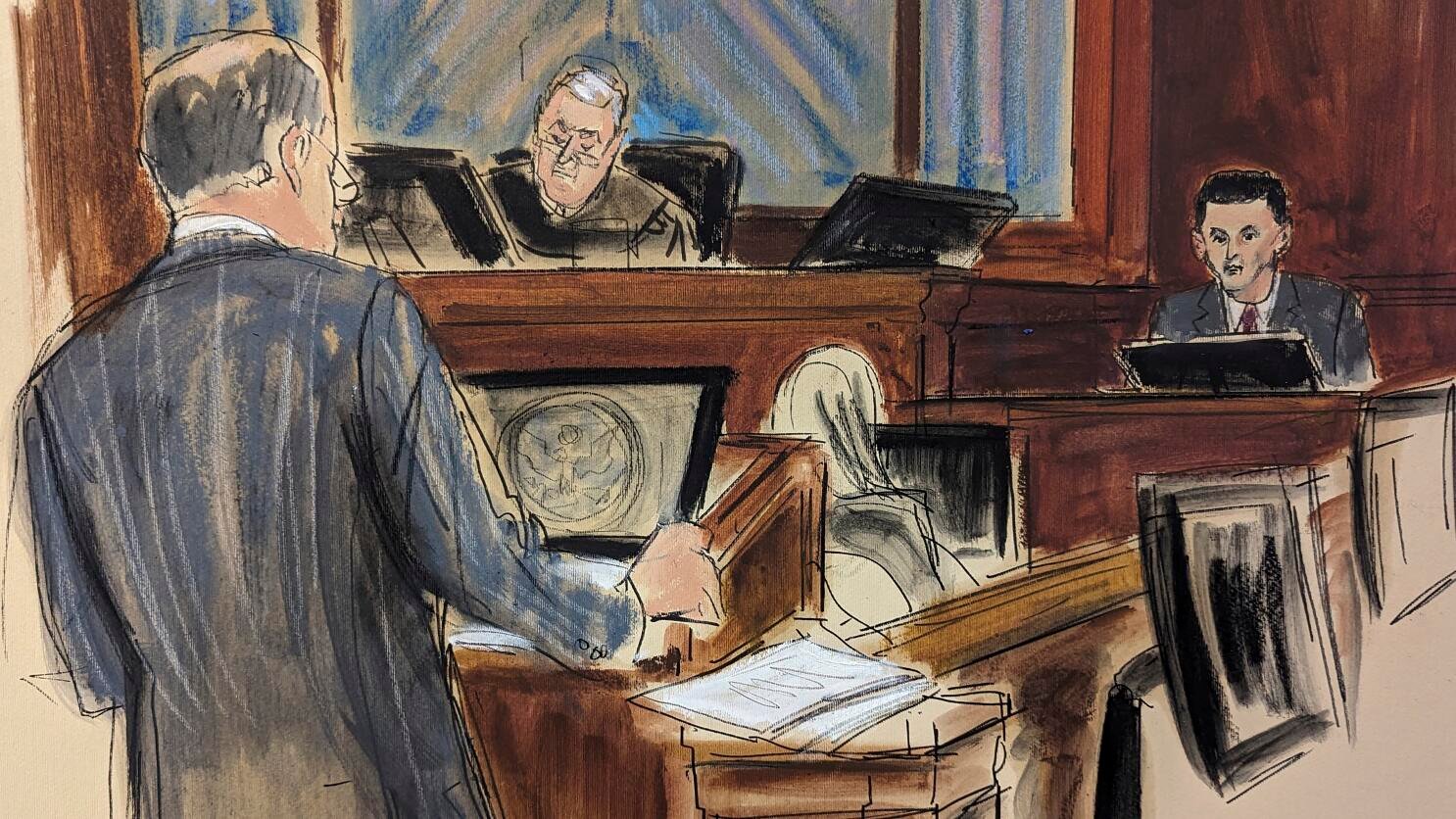
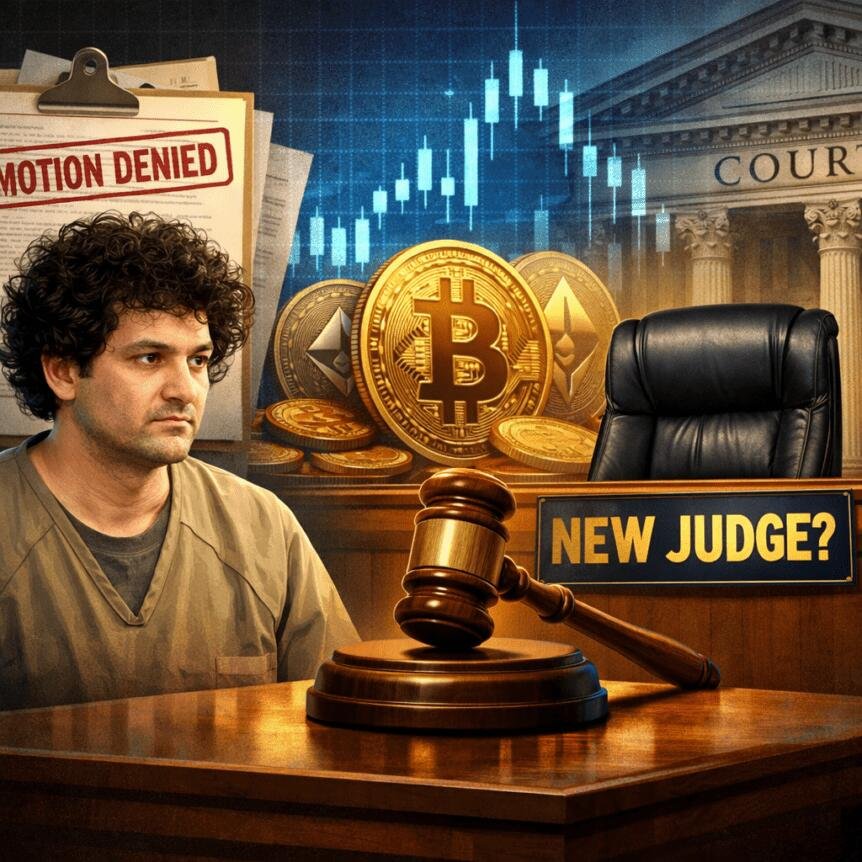
On April 28, 2026, U.S. District Judge Lewis Kaplan denied Bankman-Fried’s motion for a new trial. Bankman-Fried, often called SBF, had argued that newly discovered witnesses could provide evidence to clear him or cast serious doubt on his guilt. The judge called these claims “baseless” and noted they appeared part of a broader plan to repair his public image.
[Image: Courtroom sketch or photo of Judge Lewis Kaplan presiding over the hearing, with a serious expression]
Kaplan, who oversaw the original 2023 trial, pointed out that the supposed “new” witnesses were people Bankman-Fried knew about long before the first trial. Defense lawyers could have called them to testify or tried to force their appearance but chose not to.
The FTX Collapse: A Quick Refresher for Everyday Readers
To understand why this ruling matters, let’s go back to the basics. FTX was once a giant cryptocurrency exchange where people traded digital coins like Bitcoin and Ethereum. Bankman-Fried founded it and also ran a related trading firm called Alameda Research.
In late 2022, FTX suddenly collapsed. Investigations revealed that customer deposits—billions of dollars—had been secretly moved to cover losses at Alameda and for other personal or political uses. Customers lost access to their funds, sparking outrage across the financial world.
Bankman-Fried was arrested, tried, and convicted in November 2023 on multiple counts including wire fraud, securities fraud, and money laundering conspiracies. In March 2024, Judge Kaplan sentenced him to 25 years in federal prison and ordered him to forfeit over $11 billion.
[Image: Timeline infographic showing key events – FTX launch, 2022 collapse, 2023 trial, 2024 sentencing, and 2026 new trial denial]
Why the New Trial Request Failed
Bankman-Fried filed this motion himself (known as “pro se”), with some help from his lawyer parents. He pointed to three potential witnesses: former FTX executives and employees who he claimed could testify that FTX wasn’t truly insolvent and that customers eventually got their money back through bankruptcy proceedings.
Judge Kaplan dismantled these arguments point by point:
- Not “newly discovered”: Bankman-Fried knew these people and their potential testimony well before the original trial.
- No compelling evidence: Nothing suggested their statements would have changed the jury’s decision.
- Tactical choice: The defense had the chance to use them earlier but didn’t.
The judge also rejected claims of witness tampering or other misconduct, describing some allegations as “wildly conspiratorial” and contradicted by the record.
In a strong move, Kaplan denied the request “with prejudice,” meaning Bankman-Fried cannot easily file similar motions again in this court.
What This Means for SBF and the Crypto World
For ordinary investors who lost money in the FTX meltdown, this ruling brings a sense of finality at the trial court level. It reinforces that the justice system held one of crypto’s biggest stars accountable.
Bankman-Fried’s legal team is still pursuing an appeal in the Second Circuit Court of Appeals. Appeals can take months or even years, so his 25-year sentence (potentially shortened by good behavior credits) stands for now.
[Image: Photo of FTX headquarters or a generic crypto trading app screen with falling graphs to symbolize the collapse]
Broader Lessons on Trust and Regulation
The FTX saga highlighted serious risks in the loosely regulated crypto industry. Promises of easy riches and “effective altruism” masked old-fashioned fraud. Experts from the U.S. Department of Justice and financial regulators have used this case to push for stronger oversight so everyday people aren’t left holding the bag when platforms fail.
Many see this denial as proof that celebrity status and clever PR don’t override solid evidence in court.
What’s Next?
While this motion is dead, the story of Sam Bankman-Fried isn’t over. His appeal continues, and the crypto industry keeps evolving with new rules and players. For now, the man who once rubbed shoulders with politicians and celebrities serves his time, a stark reminder that no one is above the law.
This ruling sends a clear message: spectacular claims need spectacular, timely evidence—not last-minute efforts to rewrite history.
Sources include official court rulings and reporting from ABC News, Bloomberg, and the U.S. Department of Justice.