Imagine sending money to a friend overseas in seconds, without high bank fees or waiting days for it to clear – all using a digital version of the U.S. dollar that stays steady in value. That’s the everyday magic stablecoins promise. Yet as their total value skyrocketed to $315 billion in early 2026, the Bank for International Settlements (BIS) issued a clear warning on April 20: without coordinated global rules, these digital assets could spark financial chaos instead of convenience.
This isn’t just tech talk for experts. Stablecoins touch regular people through cheaper payments, crypto trading, and even savings. Here’s a straightforward breakdown of the surge, the risks, and why the BIS is calling for worldwide teamwork right now.
What Exactly Are Stablecoins – And Why Should You Care?
Stablecoins are a type of cryptocurrency designed to hold a steady value, usually pegged one-to-one with a traditional currency like the U.S. dollar. Think of them as digital cash you can send instantly on blockchain networks, unlike volatile Bitcoin.
There are a few main types:
- Fiat-backed (the most common): Backed by real dollars or bonds held in bank accounts.
- Crypto-backed: Supported by other cryptocurrencies.
- Algorithmic: They use smart contracts to adjust supply automatically.
The big ones? Tether (USDT) and Circle’s USDC dominate, making up most of the market.
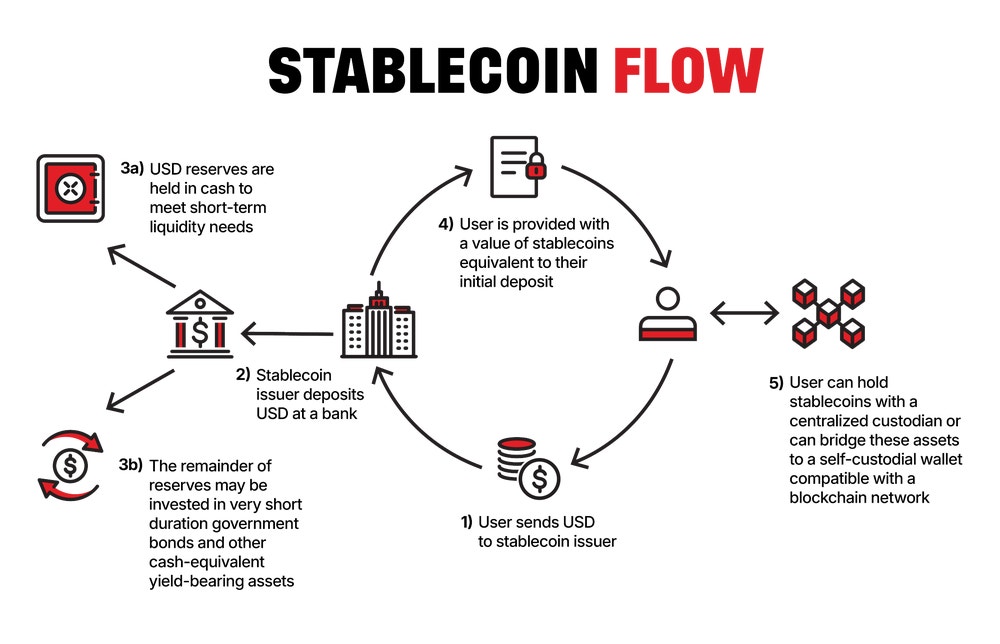
For ordinary folks, they mean faster, cheaper transfers – whether paying a freelancer abroad or swapping between cryptos without losing value to wild price swings.
The Explosive Growth: How Stablecoins Hit $315 Billion
Just a few years ago, stablecoins were a small corner of crypto. By the end of March 2026, their total supply reached a record $315 billion – up $8 billion from the previous quarter, even as the broader crypto market dipped.
Why the boom? Institutional investors poured in during uncertain times, treating stablecoins like a safe parking spot for cash. USDC gained ground on Tether, and stablecoins now make up a huge chunk of crypto trading volume – sometimes over 70%. They’ve quietly become the bridge between traditional finance and the blockchain world.

This growth shows trust: people and businesses use them for everything from DeFi lending to everyday remittances. But size brings scrutiny.
BIS Sounds the Alarm: Why Global Coordination Is “Critically Important”
On April 20, 2026, BIS General Manager Pablo Hernandez de Cos spoke plainly in Japan. He called global cooperation on stablecoin rules “critically important” to stop market fragmentation and regulatory arbitrage.
Without it, different countries’ rules could create loopholes. Companies might shop for the weakest oversight while operating worldwide. De Cos warned of risks to monetary policy, financial stability, and the fight against illicit finance.

Spain’s former central bank chief to lead Bank for International Settlements | Reuters
The BIS isn’t anti-innovation. It wants stablecoins to work safely within the two-tier monetary system – central bank money at the core, private stablecoins as useful tools.
The Real Risks: Runs, Fragmentation, and Everyday Dangers
Stablecoins sound safe because they’re “stable.” But they’re not risk-free. A “run” – where everyone rushes to cash out at once – could freeze markets, much like a bank run but on blockchain speed.
Other concerns:
- Monetary sovereignty: Heavy use of foreign stablecoins (like dollar-pegged ones) could weaken local currencies in some countries.
- Illicit use: Without strong rules, they might help money laundering.
- Fragmentation: Patchy regulations could slow innovation and create confusion for users.
The BIS notes that divergent frameworks across borders could lead to harmful arbitrage.
What This Means for You: Payments, Savings, and Daily Life
If you’ve ever paid high fees for international transfers or worried about crypto volatility, stablecoins already help. But stronger global rules could make them even better – think guaranteed redemption at face value, clearer reserve audits, and protection against sudden freezes.
For businesses, it means smoother cross-border trade. For everyday users, it could mean stablecoins in digital wallets rivaling bank apps. Yet without coordination, you might face unexpected restrictions or higher costs in certain countries.
The Current Global Patchwork – And Signs of Progress
Some nations are already moving fast. The EU’s MiCA rules, the U.S. GENIUS Act, and frameworks in Singapore, Hong Kong, and the UAE require full reserves, licensed issuers, and on-demand redemption.
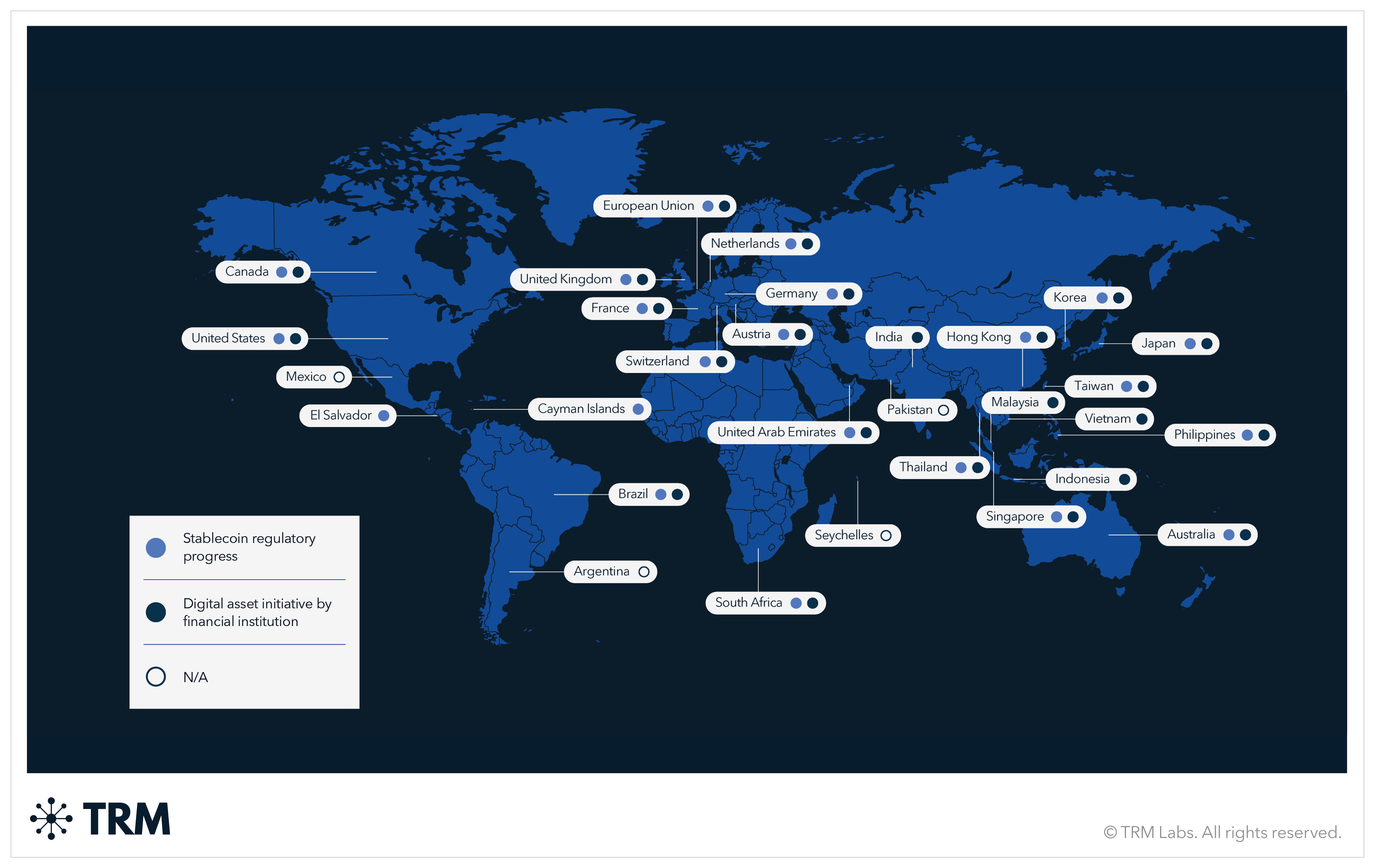
Still, not every country agrees on the details. That’s why the BIS push for alignment matters – to avoid a confusing maze that slows adoption.
The Road Ahead: Unified Rules or Risky Chaos?
The $315 billion milestone isn’t the end. It’s a crossroads. Coordinated regulation could unlock stablecoins’ full potential for faster, cheaper global finance while protecting users. Ignore the BIS call, and fragmentation could breed instability.
One thing is clear: stablecoins are here to stay. The question now is whether the world builds guardrails together – or lets the challenge grow unchecked. For the millions already using them daily, the answer could shape money itself for years to come.