
Imagine pouring tens of millions into a flashy crypto project tied to big names, only to watch a new voting proposal seemingly stack the deck against you. That’s exactly what happened in mid-April 2026 when Tron founder Justin Sun publicly tore into World Liberty Financial (WLFI), labeling its latest governance vote involving over 62 billion tokens as “one of the most absurd governance scams” he has ever seen.
Instead of a fair community decision, Sun described it as “world tyranny” disguised as decentralized finance. This explosive clash has sent ripples through the crypto world, raising fresh questions about power, fairness, and trust in projects backed by high-profile figures. Let’s unpack what’s really going on in simple terms.

Tron crypto founder Justin Sun apologizes for conduct, denies reports of China travel ban
Who Is Justin Sun and Why Does His Opinion Matter?
Justin Sun is the outspoken founder of the Tron blockchain and a major player in crypto for years. Known for bold moves and big investments, he reportedly put significant money into WLFI early on — at one point seen as one of its largest outside backers.
When someone with Sun’s influence and skin in the game speaks out this strongly, people listen. His criticism isn’t just noise; it highlights tensions that many everyday token holders worry about: Are these “decentralized” projects truly giving power to the community, or do insiders still pull the strings?

Chinese crypto businessman eats his controversial $6.2 million banana art piece
What Exactly Is World Liberty Financial (WLFI)?
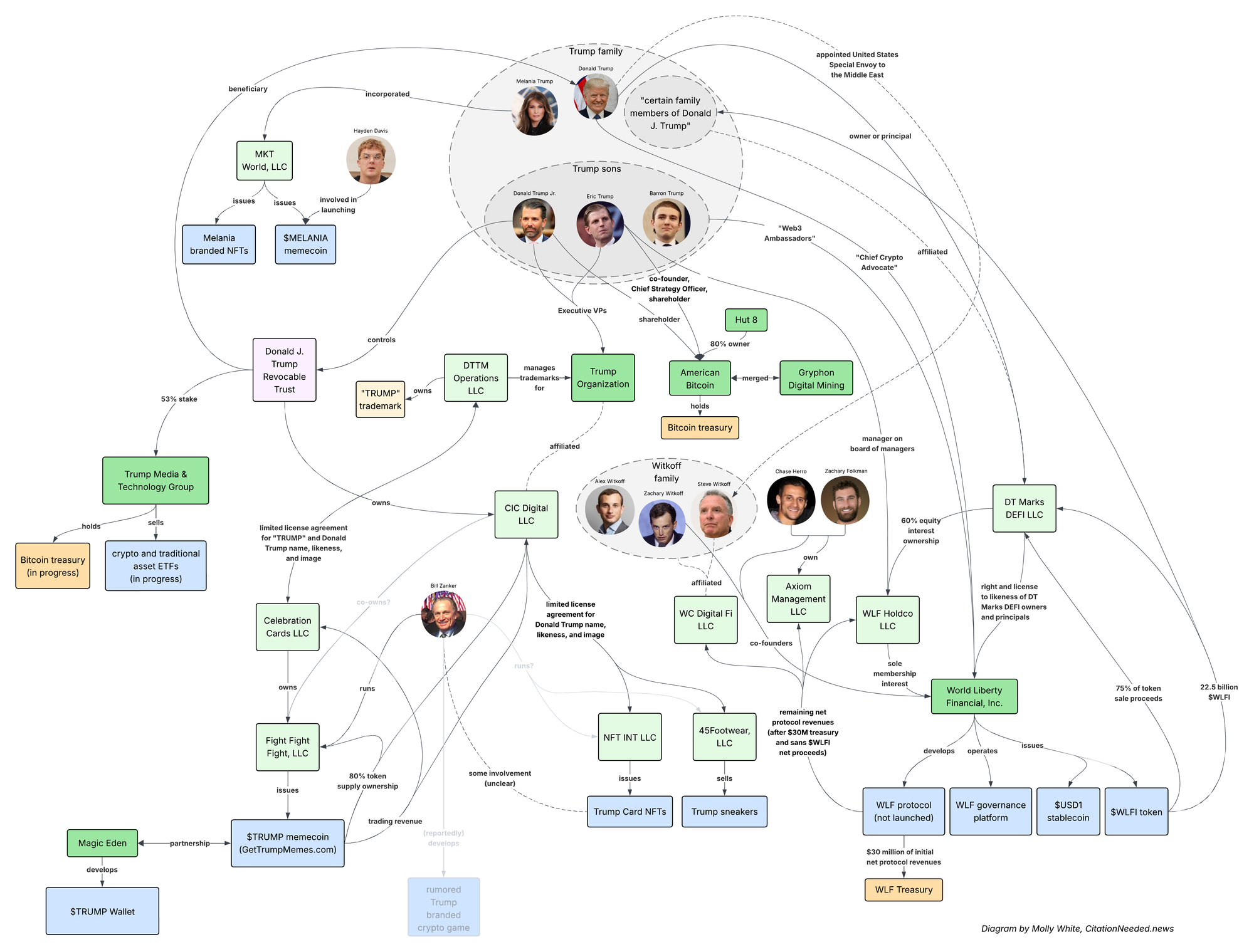
World Liberty Financial is a DeFi platform linked to the Trump family. It launched with big promises of reshaping finance through blockchain, offering governance tokens (WLFI) that supposedly let holders vote on the project’s future.
The project has attracted attention — and controversy — because of its high-profile connections. Supporters see it as an innovative way to bring “liberty” to finance. Critics, however, point to centralized elements that seem to give certain wallets or teams outsized control.
World Liberty Financial (WLFI) – Decentralized Finance | IQ.wiki
The $62 Billion Token Proposal That Sparked the Firestorm
At the heart of the drama is a new governance proposal affecting roughly 62.28 billion WLFI tokens — a huge chunk of the total supply.
Here’s what the plan roughly does (in plain English):
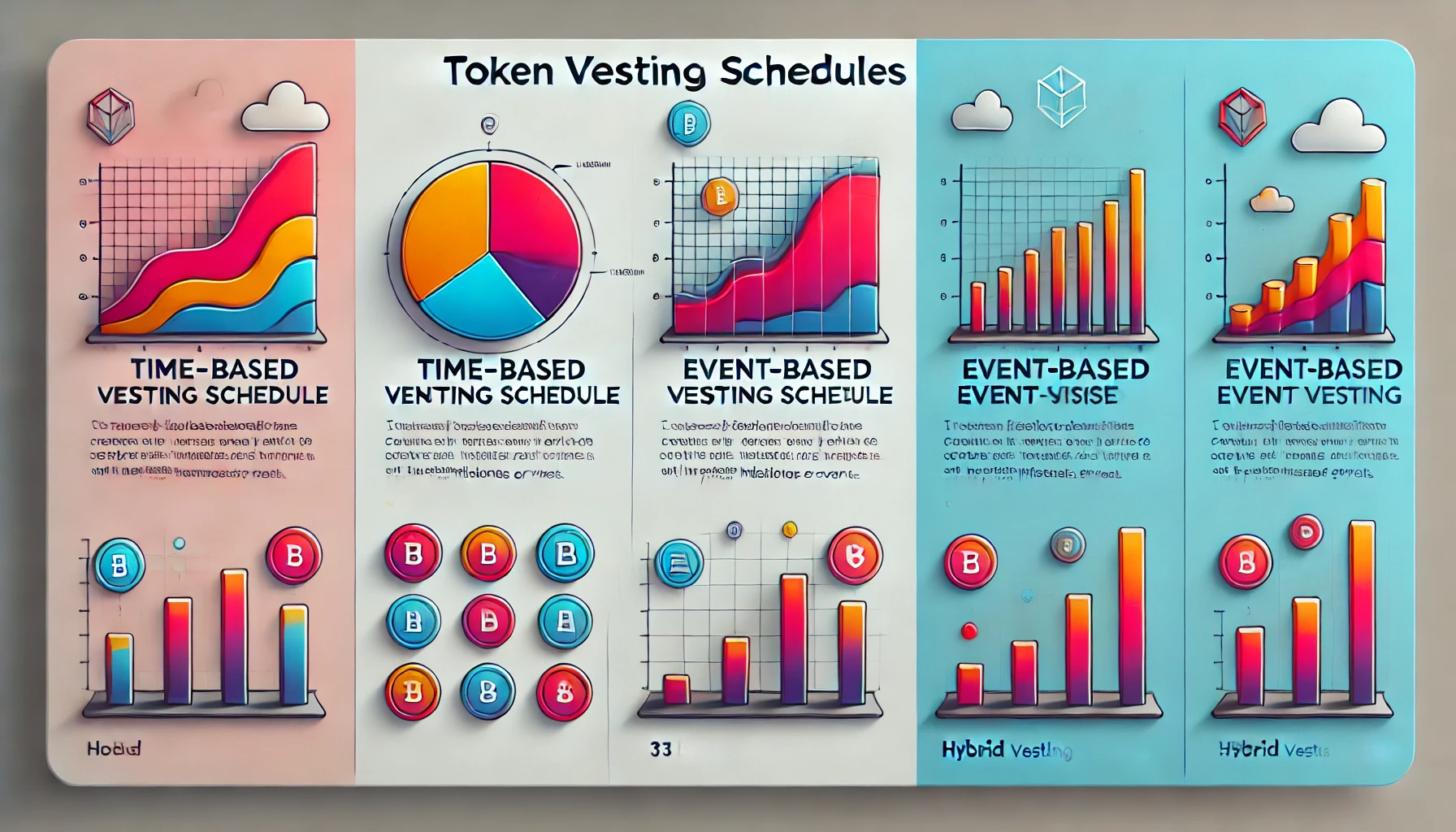
- Early supporters (about 17 billion tokens): Move from indefinite lockups to a 2-year cliff followed by 2 years of gradual release. No burn required.
- Founders, team, advisors, and institutions (about 45 billion tokens): If they opt in, they face a 2-year cliff + 3-year vesting, plus a mandatory 10% token burn (potentially destroying up to 4.52 billion tokens).
- Those who don’t opt in? Their tokens stay locked indefinitely under the old rules.
The vote runs on Snapshot with a 1 billion WLFI quorum and needs a simple majority to pass. After that, there’s a short opt-in window. WLFI’s team framed it as a “strong long-term governance alignment signal” that could reduce supply through burns and encourage commitment.
How to navigate a Token Vesting Schedule for optimal results – CHAINFORCE
On the surface, it sounds like a way to clean up tokenomics. But critics see something else.
Why Justin Sun Calls It a “Governance Scam”
Sun didn’t hold back. In a detailed post, he argued the proposal isn’t real governance — it’s engineered coercion:
- Holders who vote against it risk staying locked forever with no path to liquidity.
- Some large holders (including himself, he claims) have had tokens frozen or blacklisted, stripping their voting power.
- This creates a situation where only “friendly” votes count, while dissenters get punished.
He went further, calling it “a dictatorship wearing the mask of a DAO” and accusing the setup of hiding backdoor controls that let certain parties freeze wallets without community approval. For Sun, this isn’t decentralization — it’s power consolidation dressed up in fancy voting language.
Blockchain for securing electronic voting systems: a survey of architectures, trends, solutions, and challenges | Cluster Computing | Springer Nature Link
Many in the crypto community nodded along, remembering past projects where “governance” votes heavily favored insiders.
The Bigger Picture: Trust and Centralization in Crypto Projects
This isn’t just a Sun vs. WLFI fight. It touches on a core tension in crypto: How much real power do token holders actually have?
Traditional blockchains like Bitcoin or Ethereum emphasize open, transparent rules. Newer DeFi projects sometimes add complex mechanisms that can feel opaque. When high-profile backers clash publicly, it shines a light on these issues for regular investors.
Reports from outlets like CoinDesk and CryptoPotato note that WLFI has faced earlier questions around token usage as collateral and borrowing practices, adding fuel to the current debate.
For everyday people holding crypto, the lesson is simple: Always read the fine print on governance proposals. What looks like a fair vote on paper can sometimes tilt heavily in one direction.
What Happens Next in the WLFI Drama?
As of April 2026, the Snapshot vote is underway or recently concluded, and tensions remain high. WLFI has pushed back against Sun’s claims, and some reports mention threats of legal action flying both ways.
The token price reacted negatively to the news, hitting lows amid the uncertainty. Whether the proposal passes, gets revised, or sparks more backlash will shape how investors view similar Trump-linked or celebrity-backed projects going forward.
Crypto moves fast, but trust takes time to build — and can vanish even quicker when big-money disputes turn public.
Issue 85 – All the President’s tokens
Final Thoughts: What This Means for Crypto Investors
The $62B WLFI governance drama reminds us that flashy branding and big names don’t automatically equal fair systems. Justin Sun’s fiery criticism — calling it one of the most absurd governance scams — has forced a wider conversation about real decentralization versus centralized control in disguise.
For regular readers dipping their toes into crypto: Stay curious, ask tough questions, and never assume a project is truly “community-driven” just because it says so. Votes, lockups, and token releases matter — understanding them can protect your money in the long run.
The crypto space thrives on innovation, but it only stays healthy when participants demand transparency and fairness. This latest chapter is a loud example of what happens when that balance feels off.
What do you think — is this just healthy debate, or a red flag for similar projects? Drop your thoughts in the comments below.


