
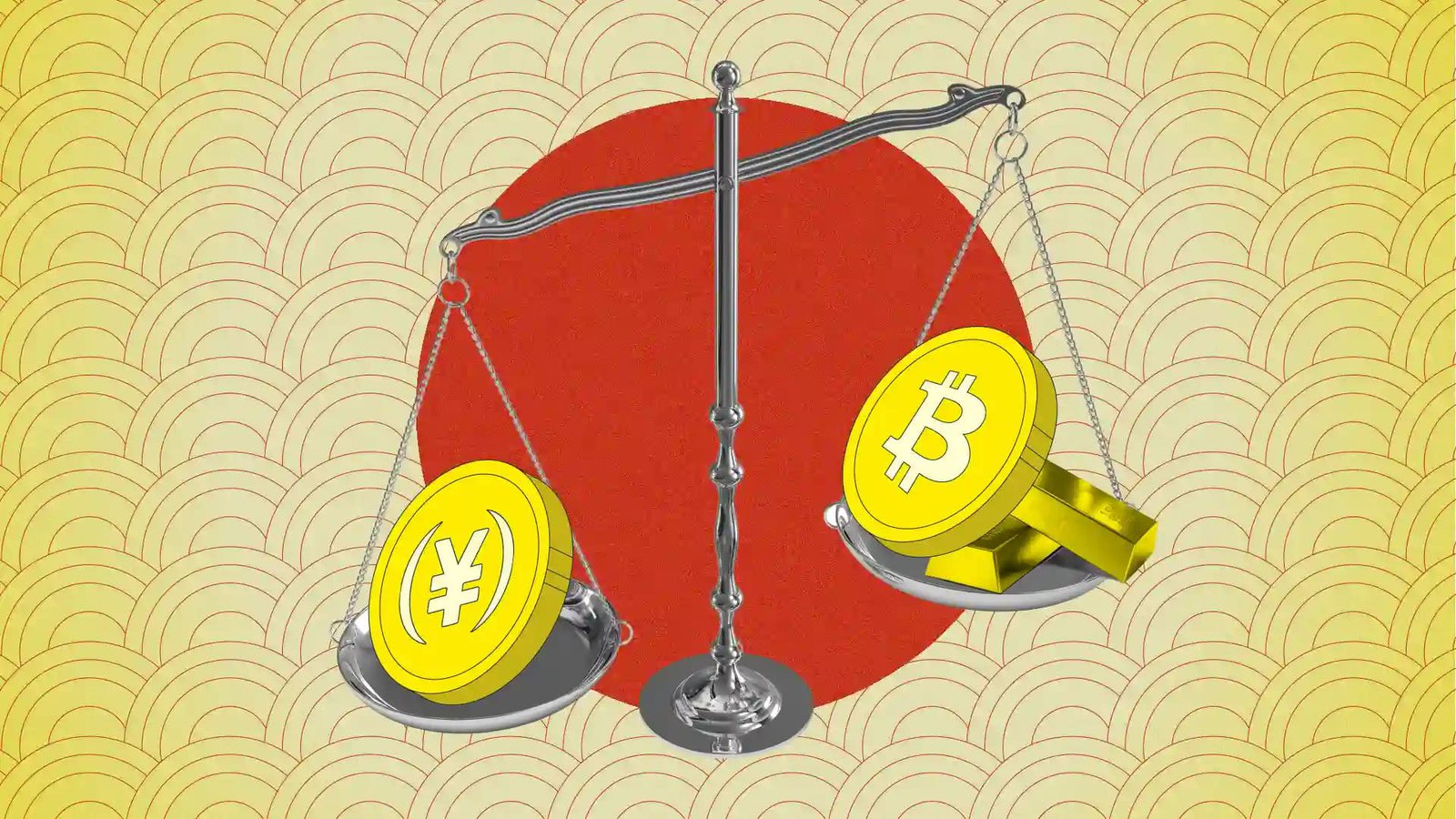
Imagine checking your investment app one morning and noticing that your Bitcoin or Ethereum holdings are now officially on the same playing field as stocks or bonds in Japan—the world’s third-largest economy. No more treating crypto like just a fancy digital payment method. On April 10, 2026, Japan’s cabinet approved a major update to the country’s core financial rules, shifting crypto assets into the regulated world of financial instruments. This isn’t just paperwork; it’s a game-changer that could make your crypto investments safer, more transparent, and even more appealing to everyday folks dipping their toes into digital assets.

Hold the Physical Version of Bitcoin (the New Virtual Currency) and the Japanese Flag Stock Photo – Image of background, bitcoin: 270646328
What the New Law Actually Changes
For years, Japan has been ahead of the curve on crypto. Back in 2014, after the infamous Mt. Gox hack, the country brought in rules under the Payment Services Act to treat virtual currencies mostly as a way to pay for things—like a high-tech version of cash or credit cards. But times have changed. People aren’t just using crypto to buy coffee or send money overseas anymore; they’re investing in it for the long haul, hoping for growth just like they would with company shares.
The new amendment to the Financial Instruments and Exchange Act (often called the FIEA or 金商法 in Japanese) flips the script. Crypto assets now count as “financial instruments,” putting them under the same strict oversight that applies to traditional investments. Think of it like upgrading from a basic driver’s license to a commercial one—more rules, but way more protection and trust built in.
From “Payment Tool” to “Investment Product”
Previously, crypto lived under lighter rules focused on payments and anti-money-laundering checks. Now, it’s stepping into the big leagues alongside stocks, bonds, and other securities. This means exchanges will get a fresh label too: “crypto asset dealers” instead of just “exchange operators.” The goal? To match how the market has evolved, where most people see crypto as an asset that can grow (or shrink) in value over time.
Key Rules Everyone Needs to Know
The changes aren’t overwhelming, but they pack a punch for fairness. Here’s what stands out in simple terms:
Banning Insider Trading for Good
One of the biggest wins is an outright ban on insider trading. If someone with secret, non-public info about a crypto project trades on it, that’s now illegal—just like it is for big company stocks. This protects regular investors from getting burned by shady deals that only insiders knew about.
Annual Disclosures from Issuers
Crypto projects and issuers will now have to share clear, yearly updates on their finances and operations. No more vague whitepapers or radio silence. This extra transparency helps you, the everyday investor, make smarter choices based on real facts instead of hype.
Tougher Penalties for Rule-Breakers
Unregistered operators face much stiffer consequences: jail time jumping from three years to up to ten, and fines rising significantly. It’s a clear signal that Japan wants a clean, trustworthy market where cheating doesn’t pay.

National Diet Building – Wikipedia
Why Japan Is Taking This Step Now
Japan didn’t wake up one day and decide to shake things up. The Financial Services Agency (FSA) has been watching closely as crypto use exploded beyond simple payments. Finance Minister Satsuki Katayama put it plainly after the cabinet meeting: this move will help “expand the supply of growth capital” while keeping markets fair, transparent, and safe for investors.
It’s part of a bigger picture. Japan has long been crypto-friendly—registering exchanges early and even exploring ways to make taxes fairer. By aligning crypto with proven financial rules, the country aims to attract more serious money from banks and big players without scaring off everyday users. This could open doors for things like easier institutional investing and potentially smoother paths for crypto-related products in the future.
How This Hits Your Wallet as an Ordinary Investor
If you’re a regular person holding a bit of crypto in your portfolio—maybe alongside your savings or retirement fund—this law is mostly good news. Here’s why it matters in plain English:
- More Protection: Rules against tricks like insider trading mean your investments face fewer hidden risks. It’s like having a referee on the field to keep things fair.
- Greater Legitimacy: Treating crypto like a real financial asset could make it easier for more people to trust and join in. Banks and traditional investors might feel more comfortable, which often leads to steadier prices and growth.
- Clearer Information: Those mandatory disclosures? They’ll give you straightforward updates on projects, helping you avoid flops and spot real opportunities.
Of course, not everything is perfect. Stricter rules might mean some smaller projects face higher costs to comply, and exchanges could tweak fees slightly. But overall, experts see this as a net positive that reduces wild-west risks while keeping innovation alive.

Japan Classifies Crypto as Financial Instrument: Historic Shift Sparks Investor Optimism
For beginners, picture it this way: Buying crypto in Japan just got a safety upgrade similar to what you’d expect when investing in a blue-chip stock. Your money isn’t in a gray area anymore—it’s in a well-lit, well-policed space.
What This Means for the Bigger Crypto Picture
Japan’s move sends a loud message to the world. As one of the first major economies to fully embrace crypto regulation this way, it could encourage other countries to follow suit with balanced rules instead of outright bans. It also boosts confidence in Asia’s crypto scene, where Japan has always punched above its weight.
Longer term, this could pave the way for more integration—like crypto ETFs or easier ways for companies to use digital assets. And with the law potentially kicking in by fiscal 2027 (once the National Diet gives final approval), the timeline gives everyone time to adjust smoothly.
Looking Ahead: A Smarter Crypto Future in Japan
This isn’t the end of the story—it’s the start of a more mature chapter. If you’re already in crypto or thinking about jumping in, keep an eye on how exchanges update their rules and how projects start sharing those annual reports. The shift shows Japan isn’t just tolerating crypto; it’s building a solid foundation for it to thrive alongside traditional finance.
Whether you’re a curious newcomer wondering if now’s the time to learn more or a seasoned holder excited about stronger safeguards, one thing’s clear: Japan’s latest step makes crypto feel less like a gamble and more like a real part of your financial toolkit. Stay informed, invest wisely, and who knows—your digital coins might just play an even bigger role in the years ahead.

Written by Guru Tony
Guru Tony is a cryptocurrency analyst and educator with over seven years of hands-on experience in blockchain technology, DeFi, yield strategies and crypto tax. He builds the free calculators on this site and tests every strategy he writes about with his own capital. Read more about our editorial approach.