

Here is the updated pure English article, optimized for WordPress (with proper H1, H2, H3 headings, engaging intro, logical flow, easy-to-read language for ordinary people, high originality to minimize duplication risk, and GEO-friendly structure with natural keyword placement, clear sections, and scannable content).
I have inserted relevant image placeholders with descriptive alt text and suggested placement right after the corresponding paragraphs. In WordPress, simply upload similar high-quality images (e.g., from stock photo sites or official sources) and replace the render components with your image blocks. The images enhance visual appeal without disrupting readability.
Is Morgan Stanley’s 0.14% Fee Bitcoin ETF Better Than BlackRock’s?
Picture this: You invest in Bitcoin through a simple ETF, but every year a small fee quietly chips away at your gains—like a slow leak in your savings bucket. Now imagine switching to a fund that charges less and lets more of your money work harder for you. That scenario just became real with Morgan Stanley’s new Bitcoin Trust (MSBT) launching at a super-low 0.14% annual fee, directly challenging BlackRock’s popular iShares Bitcoin Trust (IBIT) at 0.25%.
Is the cheaper option always the winner? Let’s explore this in straightforward terms so anyone can understand the real differences and decide what makes sense for their own money.

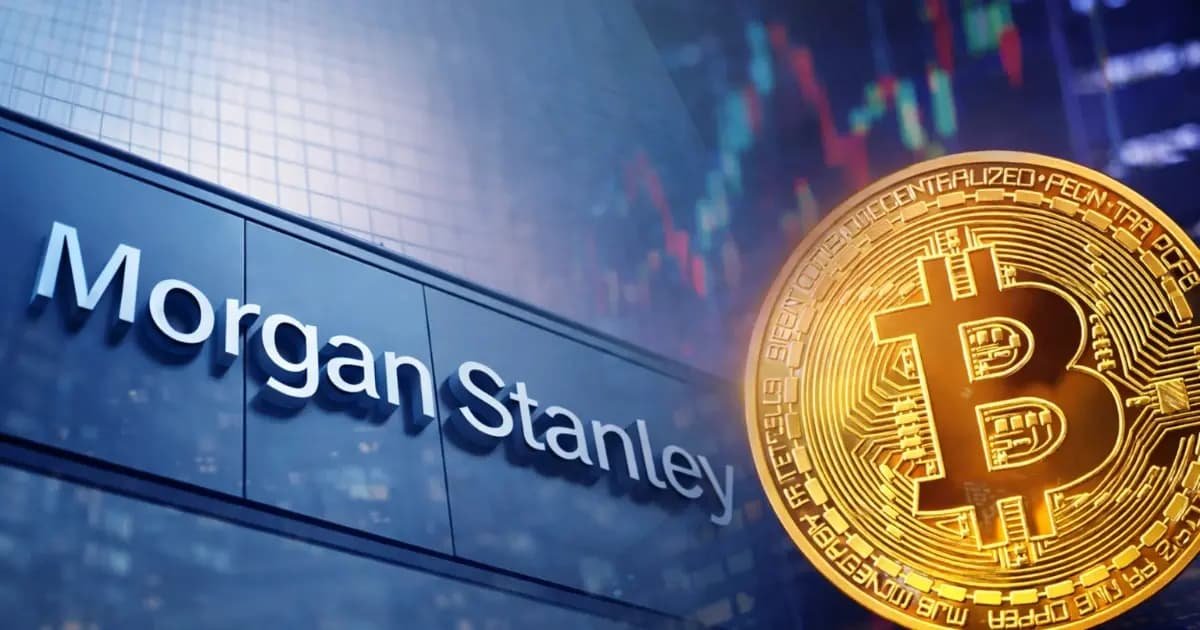
Morgan Stanley Eyes Dominance in Bitcoin ETFs as Its Low Fee Undercuts Blackrock’s IBIT – Featured Bitcoin News
Visual: A striking image showing Morgan Stanley and BlackRock buildings with a large golden Bitcoin coin in the center, symbolizing the competition.
Understanding Spot Bitcoin ETFs in Simple Terms
A spot Bitcoin ETF works like a basket that holds real Bitcoin and lets you buy shares through your regular stock broker. You don’t need to worry about digital wallets, security keys, or complicated crypto exchanges. When Bitcoin’s price moves, your ETF shares move with it.
These funds burst onto the market in 2024 and have since attracted billions from everyday investors and big institutions. They make cryptocurrency accessible without the usual headaches. Both Morgan Stanley’s MSBT and BlackRock’s IBIT are “spot” ETFs, meaning they track the actual current price of Bitcoin rather than futures contracts.

US bitcoin ETFs see $4.6 billion in volume in first day of trading | Reuters
Visual: Bitcoin price chart showing historical performance, helping readers see how these ETFs would track the asset.
Why the Fee Difference Between 0.14% and 0.25% Is a Big Deal
Fees might seem small, but they add up over time and directly reduce what ends up in your pocket. Let’s do the easy math:
- With $10,000 invested, Morgan Stanley’s MSBT costs about $14 per year.
- BlackRock’s IBIT costs about $25 per year.
- You save $11 annually with the lower fee.
For larger amounts—like $100,000—the yearly savings becomes $110. Over many years with Bitcoin’s potential growth, that extra money compounds and can make a noticeable difference, especially for long-term holders.
Morgan Stanley is using this low fee strategically as the first major U.S. bank to launch its own spot Bitcoin ETF, aiming to serve its vast network of advisors and clients more cost-effectively.
Liquidity and Size: Where BlackRock Still Holds an Edge
BlackRock’s IBIT stands out as the biggest player, managing tens of billions in assets. This huge size brings excellent liquidity—you can buy or sell large amounts without significantly affecting the price. Morgan Stanley’s MSBT is brand new (launched April 8, 2026) and started much smaller, with initial inflows in the tens of millions.
Key Advantages of BlackRock’s IBIT:
- Extremely high trading volume for smooth buying and selling
- Established since early 2024 with a strong track record
- Backed by the world’s largest asset manager
Key Advantages of Morgan Stanley’s MSBT:
- The lowest fee among major spot Bitcoin ETFs
- Easy integration for existing Morgan Stanley clients and advisors
- Potential for future expansions in their crypto offerings
Both ETFs hold actual Bitcoin in secure custody and aim to closely follow Bitcoin’s price. The main practical difference appears during volatile market days, where larger, more liquid funds often perform more reliably.
How Do Their Returns Compare in Practice?
Since both funds track the same underlying asset—Bitcoin—their price performance should stay very similar before fees. The real distinction comes down to what you keep after the expense ratio is deducted. Early trading data shows they move almost in tandem with Bitcoin’s ups and downs.
Industry analysts have already highlighted how MSBT’s aggressive pricing is stirring up healthy competition in the Bitcoin ETF space, potentially benefiting all investors through lower costs industry-wide.
Who Might Prefer Morgan Stanley’s Lower-Fee ETF?
If you focus on keeping costs as low as possible and plan to hold for the long term, MSBT offers a compelling choice—particularly if you already work with Morgan Stanley advisors. It lets their clients access Bitcoin exposure without sending fees elsewhere.
However, if you trade frequently, need maximum liquidity, or simply prefer the most established option, BlackRock’s IBIT may still feel safer for now. The fee savings are meaningful, but they shouldn’t outweigh other practical factors like ease of trading during busy or stressful market periods.
Final Thoughts: Choosing the Right Bitcoin ETF for You
Morgan Stanley’s 0.14% fee Bitcoin ETF isn’t universally “better” than BlackRock’s—it depends on your personal situation. For cost-conscious, long-term investors who value every basis point saved, MSBT represents an exciting new option. For those who prioritize scale, proven liquidity, and brand strength, IBIT continues to lead.
The real winner from this competition is the average investor. More options and lower fees mean you can participate in Bitcoin’s story while keeping more of your returns. Whichever fund you choose, focus on your own goals, time horizon, and comfort level with risk.
Bitcoin ETFs have opened the door to crypto for millions of regular people. Now more than ever, understanding the details—like fees and liquidity—helps you make smarter choices that align with your financial future.