
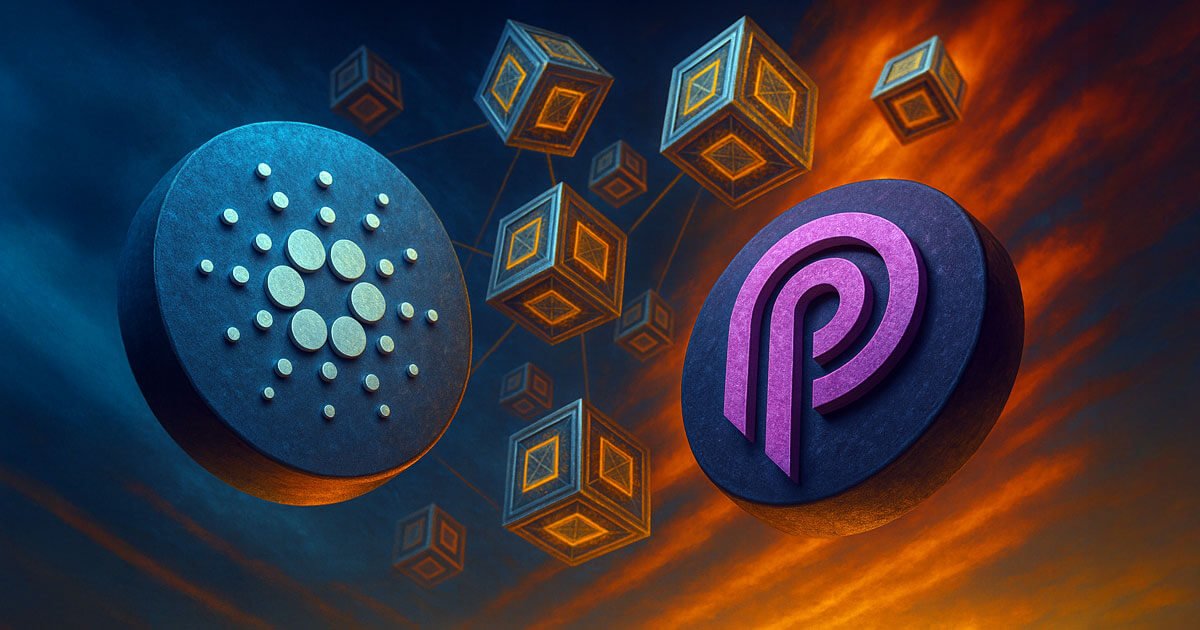
Picture checking your phone and seeing live gold prices or currency exchange rates coming straight from major global trading desks — not from a website that could be delayed or manipulated, but verified directly on a blockchain and available to everyone. That shift is happening right now. On April 9, 2026, Pyth Network officially launched its Data Marketplace, with six major financial institutions beginning to publish their exclusive institutional data straight onto the blockchain.
This move brings high-quality, real-world financial information into the open, transparent world of crypto. Everyday investors, traders, and app developers can now access data that was once locked behind expensive paywalls — all while the institutions keep control and earn from sharing it.
Fidelity Investments Office Exterior Logo 165
(Suggested placement: Right after the introduction paragraph. Alt text: “Pyth Network Data Marketplace launch illustration showing institutional data flowing to blockchain”)
What Exactly Is the Pyth Data Marketplace?
Pyth Network has built a reputation as one of the most reliable sources for real-time market prices in crypto and beyond. It already connects with more than 120 leading institutions and delivers fresh data to over 100 blockchains.
The new Data Marketplace goes much further. It lets big financial players upload and sell any proprietary dataset they choose — directly on the blockchain. They decide the pricing, who can access it, and everything is cryptographically signed so users know the data is genuine and came from a trusted source.
No more slow updates from traditional vendors. Everything happens in real time, openly recorded onchain where it’s hard to tamper with.
The Big Idea Behind This Change
Old-school market data often stays hidden in expensive private systems used only by large firms. Pyth’s approach opens the door wider. Institutions can reach thousands of decentralized apps, trading platforms, and regular users worldwide while still earning revenue. It turns closed financial data into a dynamic, always-on marketplace that runs 24/7.
The Six Global Giants Now Publishing Data Onchain
These are not small players testing an idea. They are established institutions that move trillions of dollars every day:
- Euronext — One of Europe’s biggest stock exchanges, offering deep equity and derivatives data.
- Fidelity Investments — A trusted name in asset management with institutional-grade insights.
- Tradeweb — A leader in electronic trading of bonds and fixed-income products.
- OTC Markets Group — The main platform for over-the-counter stocks in the U.S.
- Singapore Exchange FX (SGX FX) — Asia’s key provider of foreign exchange rates.
- Exchange Data International (EDI) — Specialists in reference data for stocks, ETFs, and more.
Together, they bring serious credibility. Their data includes spot foreign exchange rates, precious metals prices, energy swaps, equity benchmarks, ETF information, bond yields, and derivatives — all now available onchain for the first time at this level.
(Suggested image placement here: After the list of giants. Upload logos or photos of the institutions, or a collage. Alt text: “Logos of Euronext, Fidelity Investments, Tradeweb, and other institutions publishing on Pyth Data Marketplace”)
What Kind of Data Is Going Live Right Now?
At launch, the marketplace features practical, high-quality datasets that were previously difficult for most people to access:
- Live spot foreign exchange (FX) rates
- Precious metals pricing such as gold and silver
- Crude oil and energy-related swaps
- Reference data covering stocks, ETFs, bonds, and derivatives
Because the data comes directly from the institutions that create these markets, it is first-party, timely, and highly accurate. No guessing or scraping from public sources.
Qui est le plus \\303\\242g\\303\\251 entre Jet Lee et Jackie Chan ? – Fenix – NollyMove
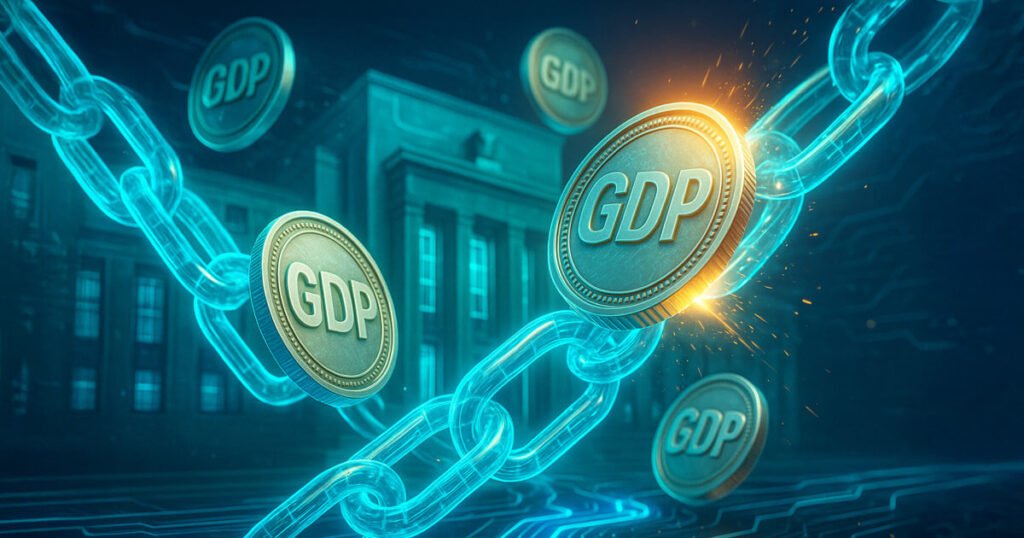
(Suggested placement: After the “What Kind of Data” section. Alt text: “Concept art of financial market data flowing securely onto blockchain network”)
Why This Matters to Regular Investors and Traders
You don’t need to be a Wall Street expert to benefit. Here’s what it means in everyday terms:
DeFi applications can now feel as professional and reliable as traditional finance platforms. Imagine gold-backed tokens or currency tools that use real prices from Fidelity or Euronext instead of estimates.
Traders and automated bots get better, cleaner price information, which can lead to smarter decisions and less risk. Developers building new blockchain projects gain affordable access to premium data that used to cost a fortune. Even people who invest in tokenized real-world assets (like stocks or commodities represented onchain) enjoy higher trust because the underlying numbers come from respected sources.
In simple words, the old divide between traditional finance and crypto is shrinking fast. Markets are becoming more transparent and accessible to everyone.
How Pyth Makes This All Work Smoothly
Pyth’s strength comes from connecting directly with real market makers and institutions. Instead of relying on public websites that anyone can influence, Pyth receives data straight from the source. Each publisher cryptographically signs their own information, so the blockchain can verify exactly who sent it and when.
The Data Marketplace builds on this foundation. Institutions upload their datasets once, and Pyth securely distributes them across many blockchains. Apps and users pay only for the data they need, while the publishers earn directly. It’s a win-win model that keeps growing.
Looking Ahead: A New Era for Onchain Finance
This launch with six major institutions is just the beginning. More organizations are likely to join as they see how the model works — keeping control of their data while reaching a global audience through blockchain.
For ordinary people, this could mean smarter investing apps, fairer pricing in decentralized finance, and easier ways to interact with real-world assets onchain. Whether you trade crypto casually, build apps, or simply follow financial markets, the Pyth Data Marketplace is helping bridge two worlds that used to feel very far apart.
The walls between traditional institutional finance and open blockchain technology are coming down — and this is one of the clearest signs yet.