

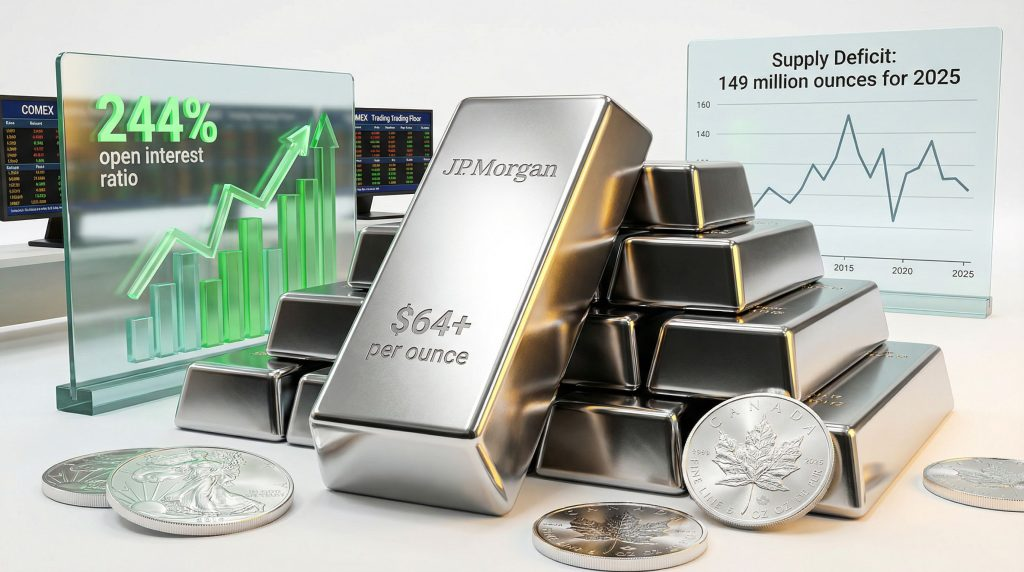
Imagine scrolling through your feed and seeing silver prices jump 10 percent in a single day. Your first thought might be, “So what? I don’t buy silver bars.” But those “silver dollar rate movements”—the price of one ounce of silver in U.S. dollars—quietly shape costs for the phone in your pocket, the solar panels on rooftops, and even the stability of mining towns halfway across the globe. Far from being a niche story for bullion collectors, silver’s price swings serve as a real-time barometer for the entire commodities universe, revealing deeper currents in the global economy that touch everyday lives.
Silver Volatility: Spreads, Futures Curve, and Payouts | Alloy
What Exactly Are Silver Dollar Rate Movements?
“Silver dollar rates” simply refer to the spot price of silver quoted in U.S. dollars per troy ounce (often shown as XAG/USD). When traders talk about a “rate movement,” they mean how that dollar price changes hour by hour, day by day. Unlike gold, which mostly sits in vaults as a store of value, silver wears two hats: it’s both a precious metal and a high-tech industrial material. This double identity makes its price one of the most sensitive signals in the commodities world.
Silver’s Unique Dual Role in the Commodities Landscape
What makes silver stand out is its split personality. Roughly half of global demand comes from industry—think electronics, solar panels, electric vehicles, and medical devices—while the rest is investment and jewelry. When factories ramp up production for the green-energy transition, silver demand surges and prices climb. When factories slow down, prices drop fast. No other major commodity blends “safe-haven” investment appeal with such heavy industrial use, which is why silver often moves faster and farther than gold or copper.

So many uses for silver : r/Silverbugs
This dual nature turns silver into a bridge between two very different parts of the commodities market: monetary metals and industrial raw materials.
How Silver Price Swings Signal Bigger Commodities Trends
Watch silver closely and you’ll spot early warnings for the rest of the commodities complex. Because so much silver ends up in solar panels and electronics, its price often rises ahead of booms in renewable energy or tech manufacturing. Miners produce most silver as a byproduct of copper, lead, and zinc mining, so when those base-metal prices weaken, silver supply can tighten unexpectedly—pushing its price higher even if the economy looks soft.
Traders also treat silver as a “high-beta” play on gold. When investors flock to precious metals during inflation scares or geopolitical tension, silver tends to outperform gold on the way up—and fall harder on the way down. That leverage makes silver movements a magnified mirror of broader sentiment across oil, copper, and agricultural futures.
Why These Movements Matter to Regular People
Silver price changes ripple far beyond trading screens:
- Everyday gadgets get more (or less) expensive — Silver is essential for touchscreen circuits and photovoltaic cells. A sustained price spike can nudge up the cost of phones, EVs, and home solar systems.
- Green-energy goals feel the heat — Solar installations alone consume hundreds of millions of ounces yearly. Rapid price jumps can slow the rollout of clean power projects.
- Jobs and local economies shift — Mining regions in Mexico, Peru, and China depend on steady silver revenue. Sharp drops can lead to layoffs; surges can spark investment booms.
- Portfolio diversification signal — For ordinary investors, silver often acts as an inflation hedge that reacts quicker than gold, offering a practical way to balance stock-market risk.
In short, silver’s rate movements act like an economic early-warning system that regular families can actually understand.
What Drives Silver’s Price Volatility?
Several big forces line up to move the needle:
- Industrial demand surges from solar, EVs, and AI data centers.
- U.S. dollar strength — Since silver trades in dollars, a stronger greenback makes it pricier for foreign buyers and usually pushes prices down.
- Gold correlation and investor sentiment — Silver rides gold’s coattails but with extra punch.
- Supply constraints — Most silver is a mining byproduct, so output doesn’t ramp up quickly when prices rise.
Real-World Lessons from Recent Years
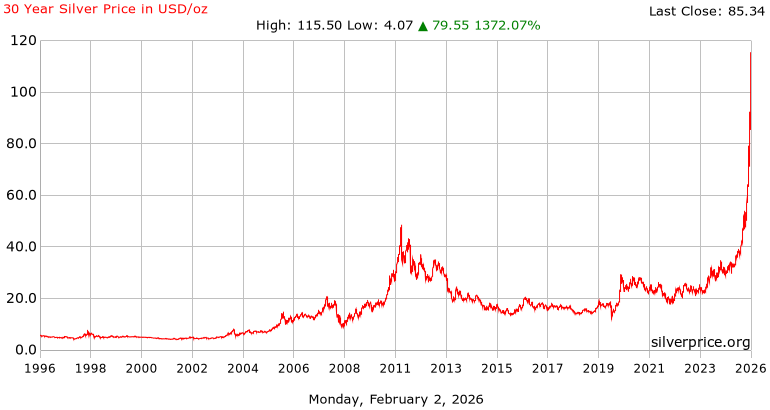
Look back at 2025–2026 and you’ll see the pattern clearly. A perfect storm of solar-installation records, AI-driven electronics demand, and lingering supply deficits sent silver prices soaring past $100 per ounce at one point, far outpacing gold. Then, as the U.S. dollar strengthened on higher interest-rate expectations, prices pulled back sharply—reminding everyone how quickly sentiment can flip. Those swings didn’t just affect traders; they influenced everything from EV sticker prices to mining-company stock movements.
The gold-silver ratio (how many ounces of silver equal one ounce of gold) compressed dramatically during the rally, flashing a classic signal that industrial demand was overwhelming traditional monetary flows.
Should You Keep an Eye on Silver Rates?
You don’t need to trade futures contracts to benefit from understanding silver. Whether you’re a homeowner considering solar panels, an investor building a balanced portfolio, or simply someone who wants to know why your next smartphone might cost more, silver’s dollar price offers a clear window into global supply chains and economic health. It’s one of the few commodities whose movements tell a story that regular people can follow—and act on.
The next time you hear “silver is up (or down) today,” remember: those rate movements aren’t just market noise. They’re the market telling us, loud and clear, what’s happening beneath the surface of the global economy.