


Picture this: It’s a tense trading day, prices are swinging wildly, and you hit “market buy” on your favorite crypto pair. Suddenly, your order fills at a price that makes no sense—way off the current market level. Your account takes a massive, unexpected hit. That nightmare scenario of “bad fills” during extreme volatility is exactly what Binance’s new Spot Price Range Execution Rule (PRER) is designed to prevent.
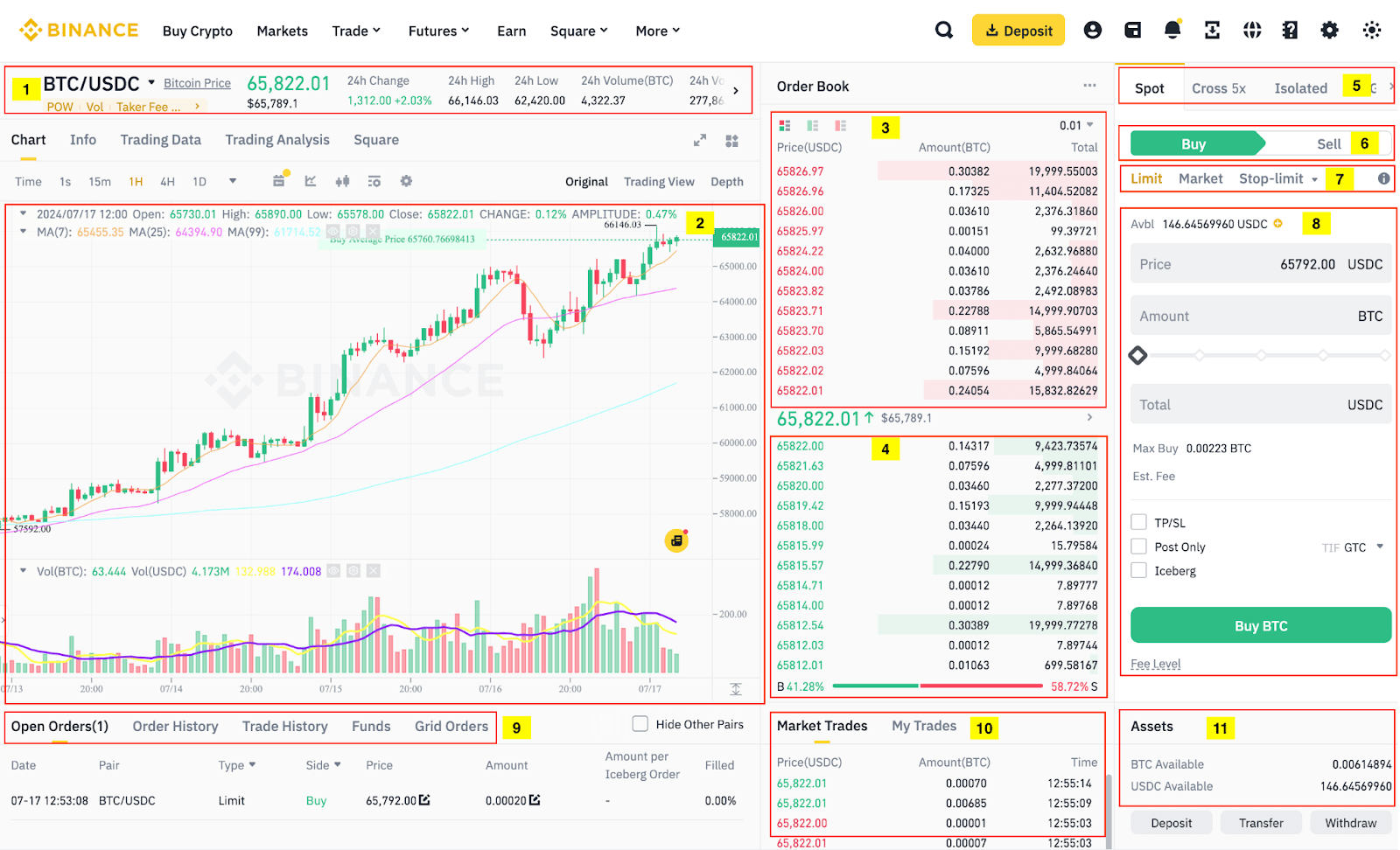
How to Spot Trade on Binance Website? | Binance,How to spot trade,Binance Spot Trading,What is spot trading
Launched just days ago and rolling out gradually from April 14, 2026, PRER isn’t some complicated new trading tool for pros only. It’s a simple safety net built into the exchange itself. Think of it as Binance adding guardrails to keep trades fair even when the market goes haywire. For everyday traders like you and me, this could mean fewer shocking losses and more confidence when the market gets crazy.
What Exactly Is the PRER Rule?
At its core, the Price Range Execution Rule (PRER) is Binance’s way of making sure your orders only fill at prices that actually make sense. It creates a “dynamic price band” around a reference price calculated from recent trades. Orders can only match with liquidity inside that band. Anything outside it? The unfilled part simply expires—no weird execution, no nasty surprises.
Unlike your personal stop-loss or limit orders, PRER is an exchange-level protection. It kicks in automatically during unusual volatility and works on spot trading pairs. Under normal conditions, you won’t even notice it’s there—your daily buys and sells go through just fine.
Why Did Binance Introduce PRER Right Now?
Crypto markets are famous for lightning-fast swings, but last October’s flash crash took things to another level. Billions in value vanished in minutes as some tokens traded at near-zero prices on Binance spot markets, triggering massive liquidations and bad fills for thousands of users. Reports put the damage at around $19 billion in one chaotic event.
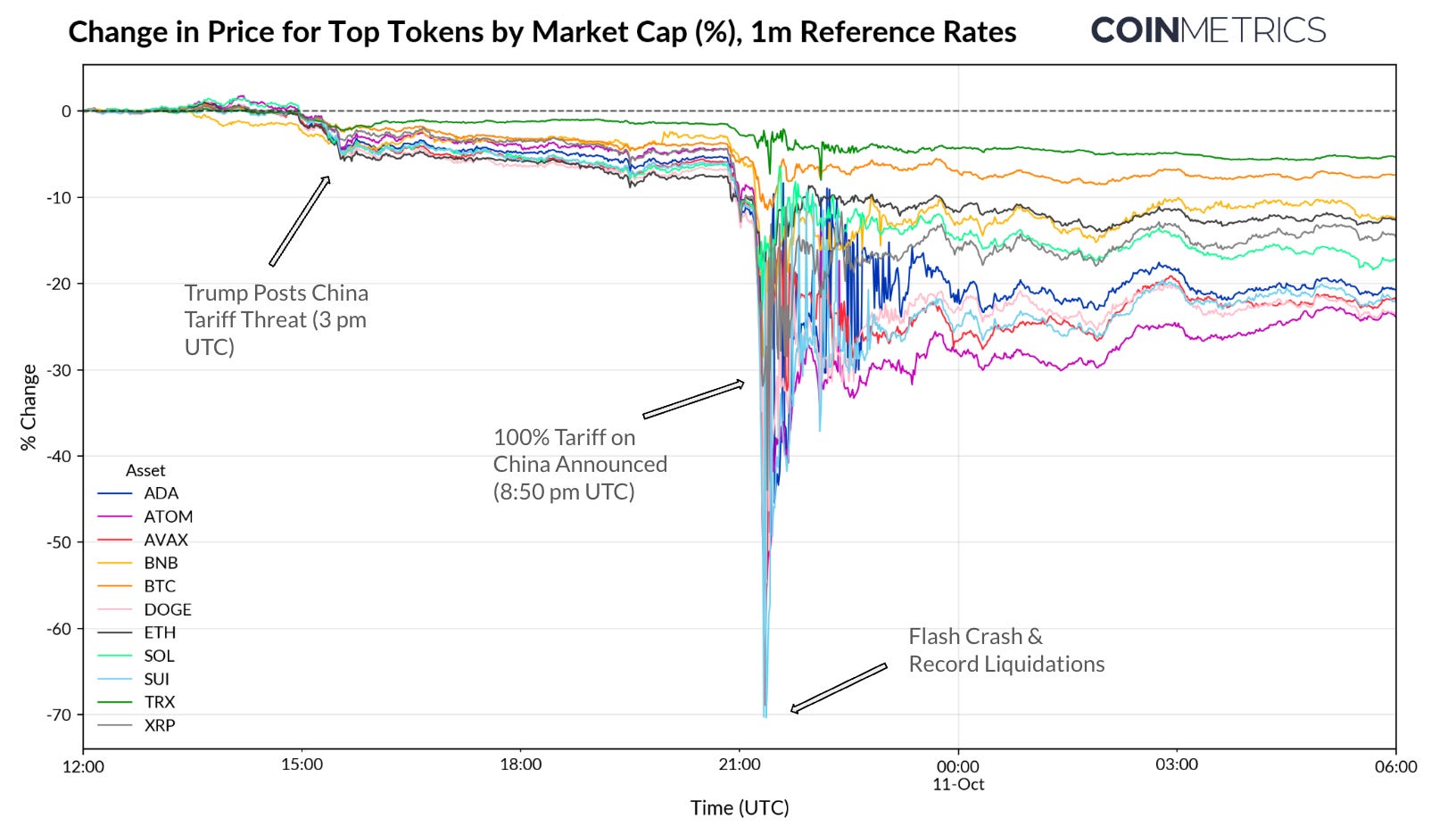
The Great De-Leveraging: Friday Flash Crash – by Tanay Ved
Binance listened to the community outcry and acted. PRER draws inspiration from traditional finance tools like Limit-Up/Limit-Down (LULD) rules used on U.S. stock exchanges. The goal? Stop abnormal executions caused by thin liquidity, fat-finger errors, or sudden order-book gaps—without killing normal market flow.
How Does PRER Actually Work? (Explained Like You’re Five… or Just Busy)
Here’s the easy version:
- Reference Price: Binance looks at recent actual trades to set a fair “middle” price for each pair.
- Dynamic Bands: It adds a percentage buffer above and below that reference (the exact width can adjust based on market conditions).
- Taker Orders Only: When you place a market order (or any taker order that hits existing liquidity), it can only fill inside the band. If the best available price is too far outside, the rest of your order gets canceled instead of filling at a crazy price.
Simple real-life example: Imagine BTC is trading around $65,000 with a 2% band. Your market buy order tries to fill. If the only liquidity left is at $50,000 (a flash-crash glitch), PRER says “nope”—your order expires unfilled rather than giving you a terrible price. No more waking up to a wiped-out account.

Limit order book / Fundamentals of trading / Episode 4
This mechanism is smart because the bands widen or tighten based on real market volatility, so it doesn’t interfere when everything is calm.
The Big Benefits for Regular Traders
- Fewer Bad Fills: No more accidental executions at ridiculous prices during chaos.
- Fairer Markets: Everyone trades on a more level playing field, especially during high-stress moments.
- Less Panic Liquidations: By avoiding those outlier prices, PRER can help prevent chain-reaction liquidations that amplify crashes.
- Peace of Mind: New and experienced traders alike can focus on strategy instead of worrying about the exchange letting a bad trade through.
Early discussions in trading communities already call it a step toward “real market structure” in crypto—something Wall Street has had for years.
But Does PRER Eliminate Volatility Completely?
Let’s be honest: No. PRER won’t stop prices from moving fast or markets from being volatile—that’s crypto. It only prevents executions at prices that don’t reflect true supply and demand. Your position can still swing wildly if the market truly shifts. The rule just makes sure those swings happen at reasonable prices.
Some traders worry it might slow down price discovery in super-thin markets, but Binance says it only activates when needed and won’t be on every pair all the time.
What Should You Do Before the Rollout?
The gradual rollout starts April 14, 2026, so you have time to get familiar. Check Binance’s announcements and FAQ for the exact pairs affected first. Test small orders during volatile hours to see how it feels. And remember: PRER is protection, not a replacement for your own risk management—like using proper position sizing and stop-losses.
Is This the Future of Safer Crypto Trading?
Binance’s PRER rule feels like a mature move in an industry that’s grown up fast. By borrowing proven ideas from traditional markets while keeping crypto’s speed and freedom, it could attract more everyday investors who’ve been scared off by horror stories of bad fills.
Whether you’re a casual holder or an active trader, one thing is clear: rules like PRER make the wild world of crypto a little less wild—and a lot more trustworthy. Keep an eye on April 14; this small change could make a huge difference the next time the market decides to go wild.