

Picture this: Bitcoin, the digital gold that powers a global financial revolution, suddenly becomes even stronger because America takes control of how it’s created. No more heavy reliance on machines shipped from overseas. Instead, the mining that keeps the Bitcoin network humming happens right here, with homegrown technology and American workers. That’s the bold vision behind a new bill introduced by two U.S. Senators just days ago.

Senate Bill Would Create Federal Certification for U.S. Bitcoin Miners and Codify Trump’s Reserve – Unchained
The Mined in America Act: A Game-Changer for Bitcoin
On March 30, 2026, Republican Senators Bill Cassidy of Louisiana and Cynthia Lummis of Wyoming stepped up with the Mined in America Act. This legislation isn’t just another Washington proposal—it’s a practical plan to bring Bitcoin mining back home and lock in President Trump’s idea of a Strategic Bitcoin Reserve.
In simple terms, the bill creates a voluntary “Mined in America” label for U.S. mining operations. Facilities that earn this certification agree to ditch hardware linked to foreign adversaries (think China, which dominates the supply chain) over time. It also pushes for U.S. companies to start building their own mining equipment, using better energy-efficient designs.
Senator Cassidy put it plainly: “Digital asset mining is a big part of our economy. We should be doing it here in America.” He added that the bill will secure supply chains, boost American manufacturing, and support the whole industry.
Senator Lummis, a longtime Bitcoin champion, echoed the urgency: “The Mined in America Act brings this industry home through forward-thinking initiatives to secure our financial future.”
Why Bitcoin Mining Needs American Roots
You might wonder: Why does it matter where Bitcoin gets mined? Bitcoin works because thousands of computers worldwide compete to solve complex puzzles and add new blocks to the chain. This “hash rate” keeps the network secure and decentralized.
Right now, the U.S. punches above its weight with about 38% of the global hash rate. But here’s the catch—97% of the actual mining hardware comes from China. That’s a vulnerability. If tensions rise or supplies get cut off, America’s role in Bitcoin could weaken overnight.
The Mined in America Act tackles this head-on. Certified sites must phase out foreign-adversary hardware by the end of the decade. At the same time, it directs federal agencies like the National Institute of Standards and Technology to help U.S. factories create secure, efficient mining rigs.
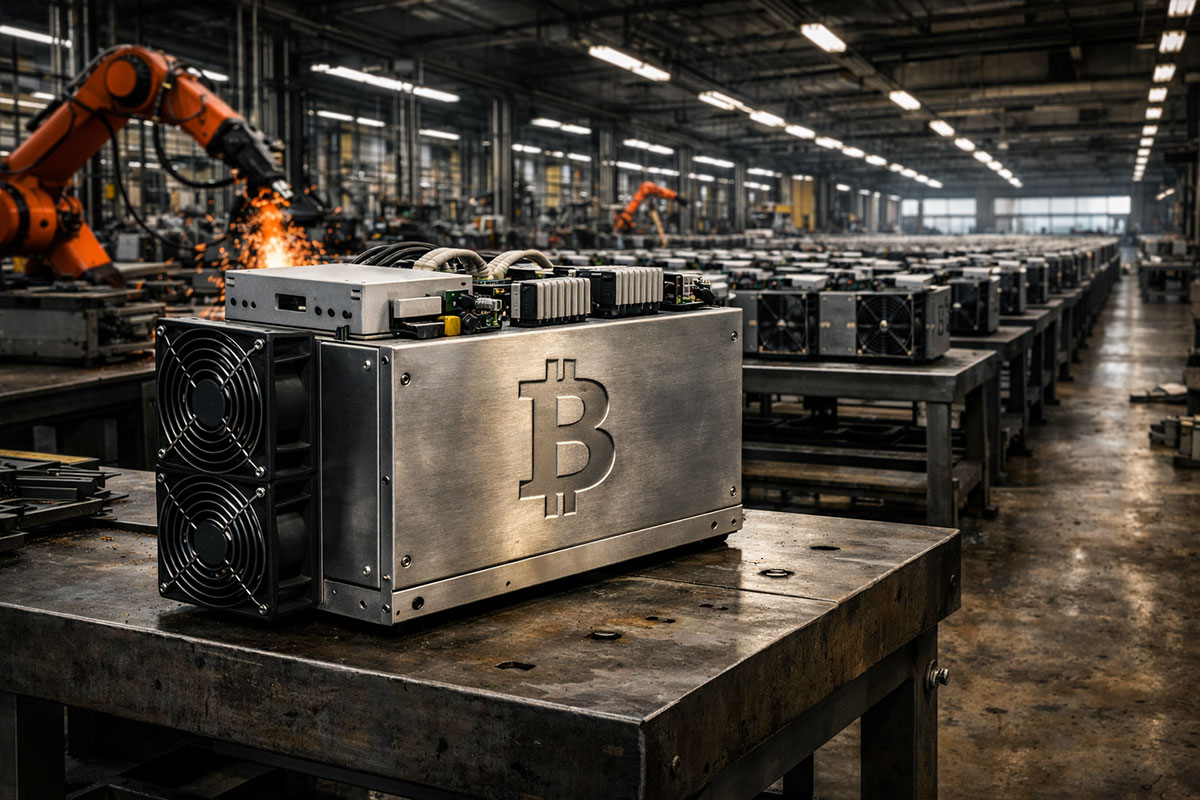
Washington moves to cut China out of the machines powering US Bitcoin mining
Think of it like this: Instead of importing every piece of equipment, we build it ourselves. That means more American jobs in tech manufacturing, stronger energy grids (mining can actually help stabilize power use in some areas), and less risk from overseas disruptions.
Linking Mining to America’s Strategic Bitcoin Reserve
The bill doesn’t stop at hardware. It also turns President Trump’s 2025 executive order into actual law by creating a Strategic Bitcoin Reserve inside the Treasury Department.
This reserve would hold Bitcoin as a national asset—similar to how the U.S. stores gold or oil reserves. By tying certified “Mined in America” operations to it, the government could buy Bitcoin directly from domestic miners. It creates a steady demand loop: Mine here, sell to the reserve, strengthen the network, and grow the U.S. economy.
For everyday folks, this could mean Bitcoin becomes more stable and trustworthy. Families investing in crypto or businesses using blockchain tech would benefit from a network less exposed to foreign risks.
Real-World Wins for Ordinary Americans
Let’s break it down without the jargon. Bitcoin mining uses a lot of electricity, but modern setups can pair with renewable energy or even help use excess power from wind and solar farms. The bill encourages energy-efficient tech, which could lower costs and create green jobs in states like Texas, Wyoming, and Louisiana—places already leading in U.S. mining.
It also levels the playing field. Small mining operations that go “Mined in America” could access federal support programs. That means more competition, innovation, and potentially cheaper Bitcoin transactions down the line.
Industry groups like the Satoshi Action Fund back the idea, calling foreign hardware dependence “a liability” rather than leadership.
What Happens Next?
The bill is fresh off the press, so it still needs full Senate and House approval. But with strong bipartisan interest in crypto and clear national security angles, it has momentum.
If passed, expect more U.S.-made mining rigs rolling out of factories, certified facilities popping up across the country, and Bitcoin’s security getting a patriotic boost.
Powering the Digital Gold Rush: Inside the Rise of U.S. Bitcoin Mining and Its Far-Reaching Impact on Energy Markets | Metaverse Post
This isn’t about picking winners in crypto—it’s about making sure America stays at the forefront of the digital economy.
The Bigger Picture: Securing the Future of Money
Bitcoin started as a revolutionary idea to give people control over their money. But for it to thrive long-term, the network needs to be resilient. By focusing on “Mined in America,” Senators Cassidy and Lummis are ensuring the U.S. doesn’t just use Bitcoin—it helps build and protect it.

A Large Bitcoin Symbol in the Foreground, with the US Capitol Building in the Background. Stock Image – Image of cash, background: 313612983
Whether you’re a Bitcoin holder watching your portfolio, a tech worker curious about new jobs, or just someone who wants America to lead in innovation, this bill shows how policy can make crypto more secure, American, and exciting for everyone.
The Mined in America Act is more than legislation. It’s a statement: The future of Bitcoin can—and should—be built right here at home.