


Picture this: You’re checking your crypto portfolio on a quiet evening, and suddenly Bitcoin dips a few percentage points. News alerts pop up about a small Himalayan nation moving tens of millions in BTC. For many everyday investors, it raises an instant question — is this the start of something bigger, or just routine treasury management? The recent movement of roughly $45 million worth of Bitcoin by Bhutan has stirred fresh concerns in the crypto community, reminding us how even sovereign players can influence market sentiment.

Bitcoin bhutan hi-res stock photography and images – Alamy
The Recent Move That Caught Everyone’s Attention
In the past 48 hours, wallets linked to the Royal Government of Bhutan transferred around 643 BTC, valued at approximately $45 million. This activity, tracked by on-chain analytics firms, included a notable transfer of 519.7 BTC worth about $37 million just days ago, pushing 2026 outflows past $150 million.
These aren’t random wallet shuffles. Many transfers head toward external addresses, some connected to institutional trading desks like Singapore-based QCP Capital, often signaling over-the-counter (OTC) sales designed to minimize market impact.

On-Chain Analysis: What is it, how to do it, and the best blockchain analysis tools (2026)
Why Bhutan Holds Bitcoin in the First Place
Bhutan isn’t your typical crypto player. This small kingdom, famous for its Gross National Happiness index and stunning Himalayan landscapes, has quietly become one of the world’s notable sovereign Bitcoin holders. It built its stash largely through Bitcoin mining powered by abundant clean hydropower — a green energy advantage few nations can match.
At its peak in late 2024, the country reportedly held nearly 13,000 BTC. Today, after steady drawdowns, reserves sit around 4,453 BTC, still worth hundreds of millions. The state-owned Druk Holding and Investments manages these assets as part of a broader sovereign wealth strategy.

Bhutan’s Bitcoin Holdings Revealed: Buddhist Nation Mined $780M, Mostly With Hydropower | Yellow.com
What’s Driving the Sales? Funding Big Ambitions
The sales aren’t signs of distress — they’re strategic. In late 2025, Bhutan committed up to 10,000 BTC toward funding the ambitious Gelephu Mindfulness City, a massive special economic zone aimed at attracting investment while preserving cultural and environmental values. This futuristic project blends traditional Bhutanese architecture with modern infrastructure and could cost billions to develop.
By converting Bitcoin into cash through structured, low-profile transfers, the government is turning digital gains into real-world development capital. The pace has quickened in March 2026, with larger $35–45 million chunks moving out compared to smaller clips earlier in the year.

Gelephu Mindfulness City | BIG – Bjarke Ingels Group | Archello
Did This Cause Bitcoin’s Recent Dip?
The timing raised eyebrows. Bitcoin has faced volatility recently, and large sovereign moves often amplify fear-and-greed swings. However, analysts note these sales use OTC channels to avoid flooding open markets. Still, the visibility of on-chain transfers can trigger short-term selling pressure as traders react to headlines.
Context matters: Bhutan’s total 2026 sales, while significant for the country, represent a tiny fraction of daily global Bitcoin volume. Broader market factors — macroeconomic news, institutional flows, and overall risk sentiment — usually play a bigger role in price action.
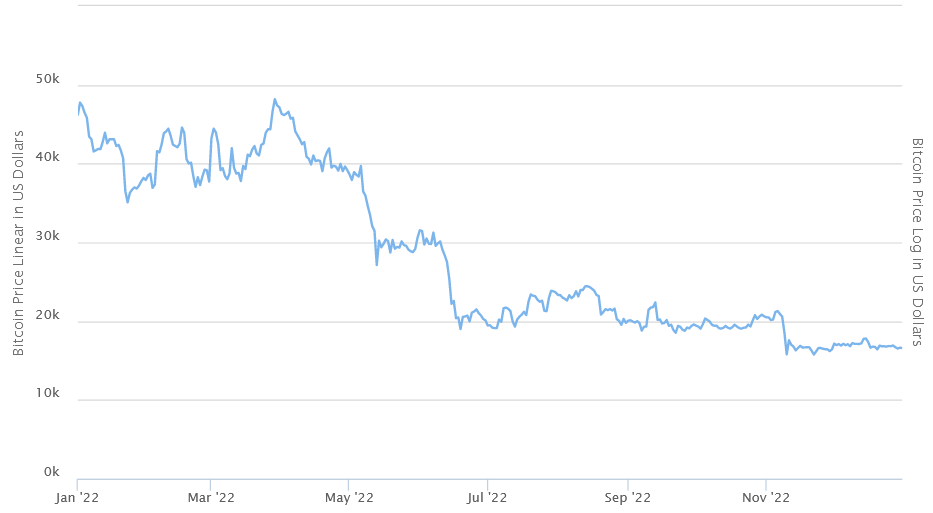
Bitcoin Price History Chart (2009, 2010 to 2026)
What This Means for Regular Crypto Investors
For everyday Bitcoin holders, the takeaway isn’t panic. Sovereign selling like this highlights a maturing market where nations treat BTC as a strategic asset, not just speculative play. It also shows the power of transparent blockchain data — tools like Arkham Intelligence let anyone monitor whale and government movements in near real-time.
Positive angle: Countries like Bhutan mining with renewable energy and strategically deploying holdings could encourage more thoughtful adoption worldwide. It underscores Bitcoin’s journey from fringe asset to part of national balance sheets.
Red Flags vs. Routine Treasury Moves
Not every large transfer equals immediate dumping. Some moves shift coins between wallets for security or preparation. But repeated patterns heading to trading firms suggest actual liquidation. Investors should watch:
- On-chain transparency from firms like Arkham.
- Official statements from governments (Bhutan tends to stay quiet).
- Overall market liquidity and whether sales coincide with other negative news.
In this case, the sales appear deliberate and tied to long-term national projects rather than forced liquidation.
Looking Ahead: Sovereign Crypto Strategies Evolve
Bhutan’s activity adds to a growing list of nations engaging with Bitcoin — from El Salvador’s bold adoption to others quietly building reserves. As more governments explore digital assets, expect increased scrutiny and volatility from headline-making transfers.
For now, the $45 million move serves as a reminder: even in crypto, big players plan years ahead. What looks scary on a news ticker might simply be smart fiscal management in disguise.
Whether you’re a long-term HODLer or just curious about market ripples, keeping an eye on transparent data helps cut through the noise. Bitcoin’s story continues to surprise, and moves like Bhutan’s are part of its growing-up phase — one wallet transfer at a time.