The Ethereum Foundation has taken a bold step by staking 72,000 ETH using a simplified technology called DVT-lite, as announced by co-founder Vitalik Buterin. This move isn’t just about securing more of the network—it’s part of a bigger push to make staking on Ethereum as simple as clicking a button, especially for big players like institutions. Imagine turning what used to be a tech-heavy job for experts into something everyday organizations can handle without hiring specialists.
This development could open the doors wider for banks, funds, and companies to join Ethereum’s security system directly. With over 37 million ETH already staked (around 31% of the total supply, according to recent network data), easier access might bring even more capital and spread out control, making the whole blockchain stronger and more decentralized.
What Is Staking and Why Does It Matter?
Staking is like putting your ETH to work to help keep the Ethereum network safe and running smoothly. Since Ethereum switched to proof-of-stake in 2022, people and groups “stake” their ETH to validate transactions and create new blocks. In return, they earn rewards—kind of like interest on a savings account.
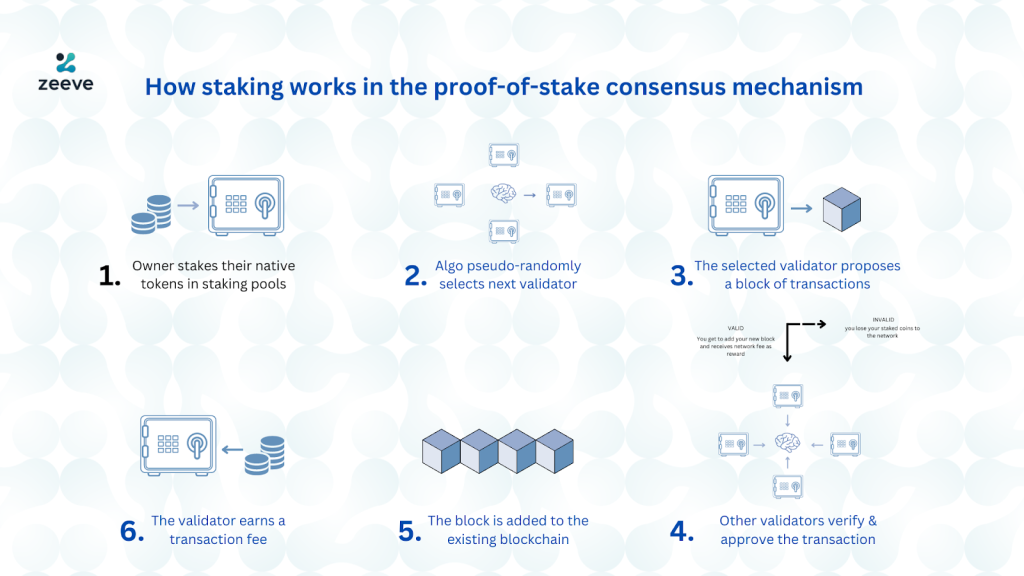
Introduction To Institutional Staking: A Business Guide
But staking isn’t always easy. Running your own validator node requires technical know-how, reliable hardware, and constant monitoring. If something goes wrong—like a machine crashing—you could face penalties (called slashing). This has made it tough for non-experts, especially big institutions holding large amounts of ETH, to participate directly without relying on third-party services.
Vitalik Buterin’s Vision: Staking Shouldn’t Need Experts
Vitalik Buterin, one of Ethereum’s key minds, has long argued that staking should be accessible to everyone—not just tech pros. In his recent announcement on X (formerly Twitter), he explained that the Ethereum Foundation is testing “DVT-lite” to stake 72,000 ETH. This is a lighter version of distributed validator technology (DVT).
DVT spreads a validator’s duties across multiple machines. If one fails, the others keep things going, reducing risks. Full DVT can be complicated to set up, but DVT-lite simplifies it a lot. Buterin described the process as almost “one-click”: pick your computers, create a shared key file, launch the software, and let the system connect everything automatically.
He wrote: “My hope for this project is that in the process, we can make it maximally easy and one-click to do distributed staking for institutions.” (Source: Vitalik Buterin’s post on X, March 2026).
This approach fights the idea that running staking infrastructure is “scary and complicated.” By making it simpler, more institutions could stake their own ETH instead of handing it over to big pooling services, which helps avoid too much power in a few hands.

Ethereum Blockchain Is at Risk If Decentralization Is Just a Catchphrase, Buterin Says
How DVT-Lite Works in Simple Terms
Think of a traditional validator like a single guard watching a door—if the guard falls asleep, trouble comes. DVT-lite is like having a team of guards spread out. They share the same “key” to the door but work independently. As long as most are alert, the system stays secure.
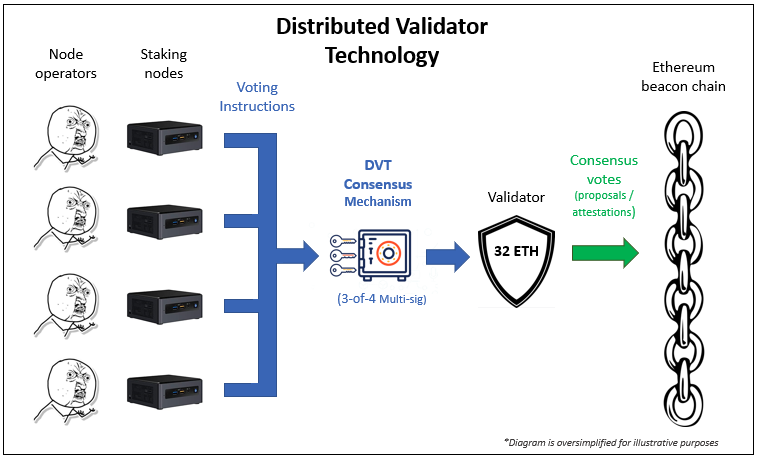
Understanding Distributed Validator Technology (DVT)
The Ethereum Foundation’s test with 72,000 ETH (worth hundreds of millions at current prices) proves this setup can handle real scale. It uses tools like Docker containers or simple commands to automate setup, cutting down on manual work. Buterin even said he plans to use it personally soon.
This builds on earlier ideas from Buterin about native distributed validators to make staking more resilient without extra layers of complexity (as discussed in Ethereum research forums).
Why Institutions Matter for Ethereum’s Future
Big institutions—like hedge funds, banks, or corporations—hold massive ETH reserves. If they can stake easily without depending on centralized providers, it spreads out who controls the network’s validators. This boosts decentralization, a core Ethereum value.
Right now, staking is growing fast, with rates hitting new highs. More direct participation from institutions could unlock billions in staked value while reducing risks from over-reliance on a few big players.
Experts note that true decentralization comes when more independent operators join, not fewer. Buterin’s push aligns with this by lowering barriers.
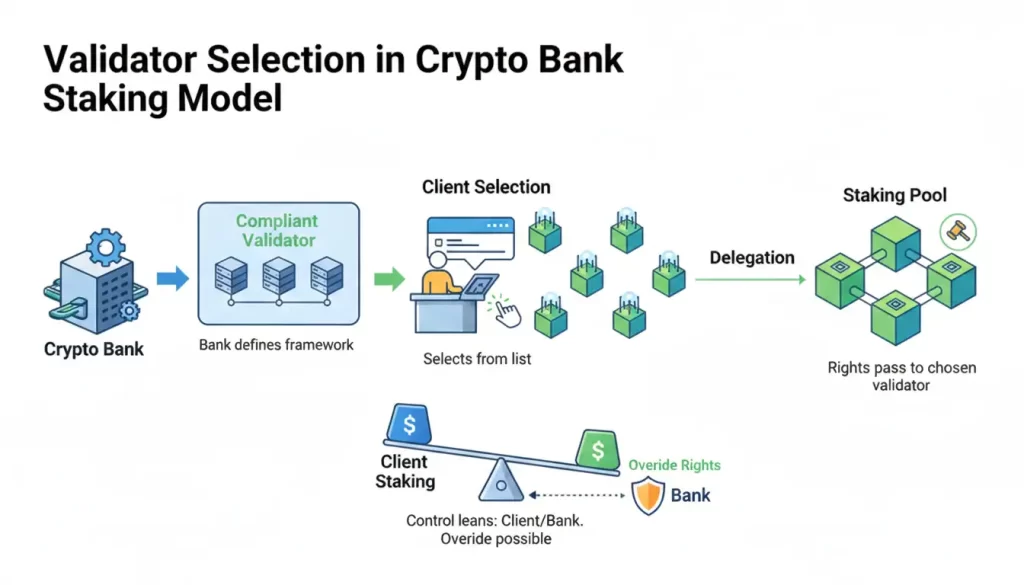
How to Develop a Crypto Bank Platform with Staking? – Idea Usher
What Could This Mean for Everyday ETH Holders?
While the focus is on institutions, simpler staking tools could trickle down. If “one-click” distributed setups become standard, regular users might stake more safely at home with backup machines. It could also inspire better staking apps and services.
The experiment shows Ethereum keeps evolving to stay secure, user-friendly, and decentralized. As Buterin hopes, this could encourage more large ETH holders to step up and help secure the network themselves.
In short, the 72,000 ETH stake is more than a number—it’s a step toward making Ethereum’s proof-of-stake system welcoming for everyone, from tech giants to everyday participants. Keep an eye on this space; it might reshape how we all interact with the blockchain.