Have you ever placed a bet on an election outcome or crypto price swing and felt the rush? Platforms like Polymarket exploded in popularity during 2024-2025, turning predictions into big business. Yet Ethereum’s co-founder Vitalik Buterin, one of the most influential thinkers in crypto, dropped a sobering take in February 2026: these markets are sliding into a “cursed” trap. They’re hooked on quick, low-value gambling that might doom their long-term potential unless they pivot hard toward something more useful—hedging against real-life financial risks.
Buterin isn’t abandoning the idea. He’s challenging the space to grow up and aim for a future where prediction tools help everyday people protect their money, possibly even making traditional fiat currencies less essential.

The “Cursed” Drift: From Insight to Dopamine Bets
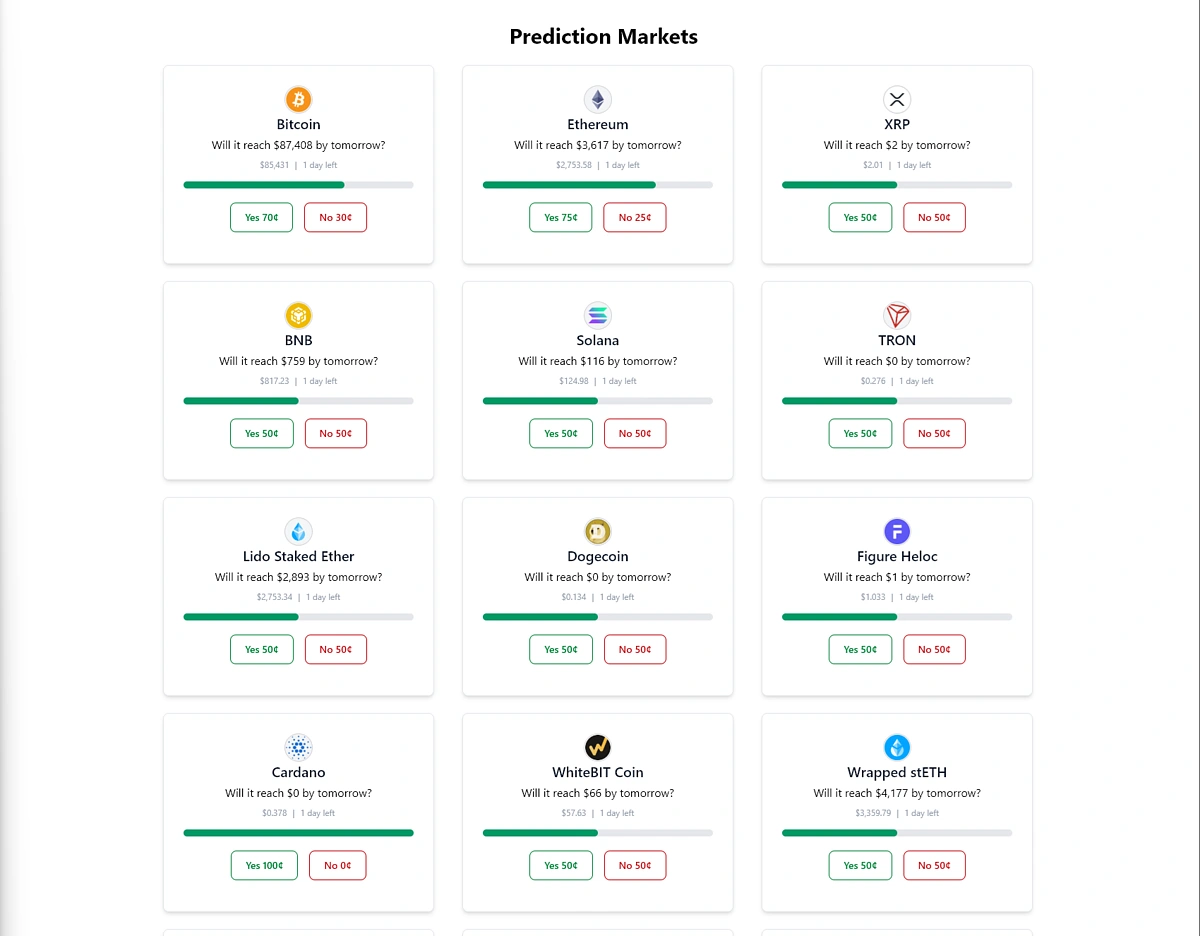
Prediction markets work by letting people trade shares on event outcomes—”Will Bitcoin hit $100K by year-end?” or “Who wins the next major election?” Correct guesses pay out based on collective wisdom, often more accurately than polls.
In recent years, though, volume surged from short-term crypto bets and sports wagers. Buterin called this convergence “unhealthy,” arguing it attracts mostly speculative traders chasing quick thrills rather than those seeking accurate forecasts or serious risk tools. He warned this reliance on “naive traders with dumb opinions” creates fragility—hype fades in downturns, and platforms could collapse without deeper value.
This isn’t moral judgment; Buterin noted there’s nothing inherently wrong with gambling. The curse lies in building an ecosystem that depends too heavily on it, risking stagnation or failure when excitement wanes.
Hedging: The Smarter, More Sustainable Direction
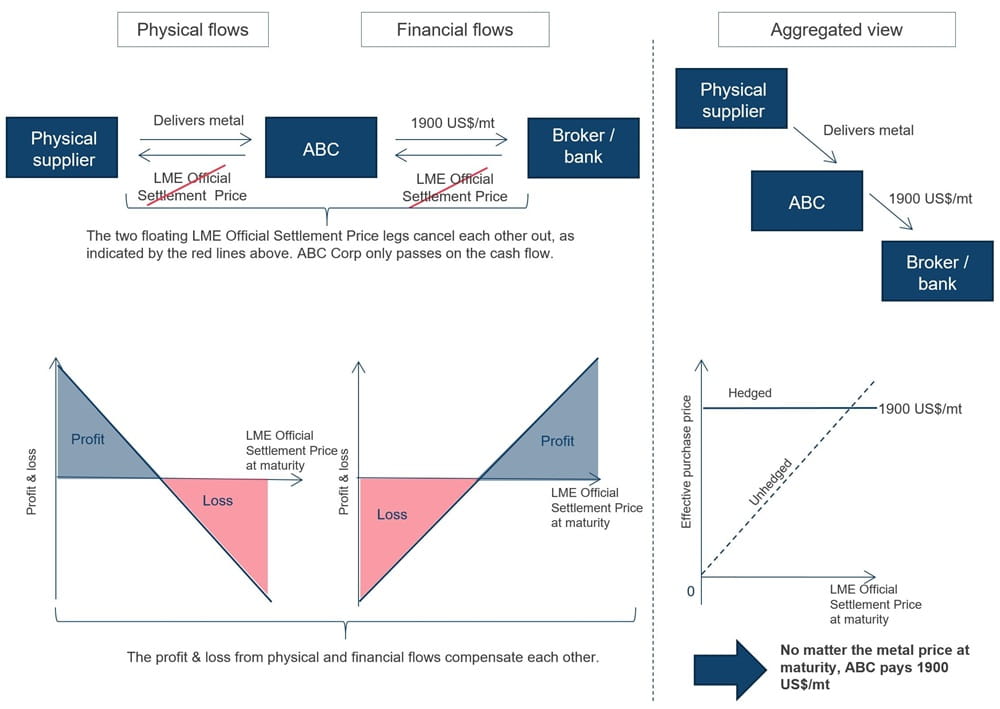
Hedging protects against unwanted price changes, much like buying insurance. Farmers lock in crop prices ahead of harvest; companies shield against currency swings. Buterin envisions prediction markets evolving into broad hedging platforms for personal finances.
Picture this: You hold appreciating assets like ETH or stocks for long-term growth. Then, you use prediction contracts to offset risks in daily expenses—rising grocery costs, rent hikes, fuel prices, or inflation. An AI could scan your spending habits and automatically build a tailored hedge portfolio, paying out when costs spike to keep your lifestyle stable.
This draws from core finance principles. As explained in resources like Investopedia’s hedging guides, effective hedging offsets risks without eliminating upside potential. In a decentralized setup, these tools could become more accessible and personalized than traditional options.
Replacing Fiat: A Radical Yet Logical Vision
Buterin’s most provocative claim: “We do not need fiat currency at all!” Hold growth assets for wealth building, then use prediction-based hedges for stability—personalized, decentralized, and free from government-controlled money printing.
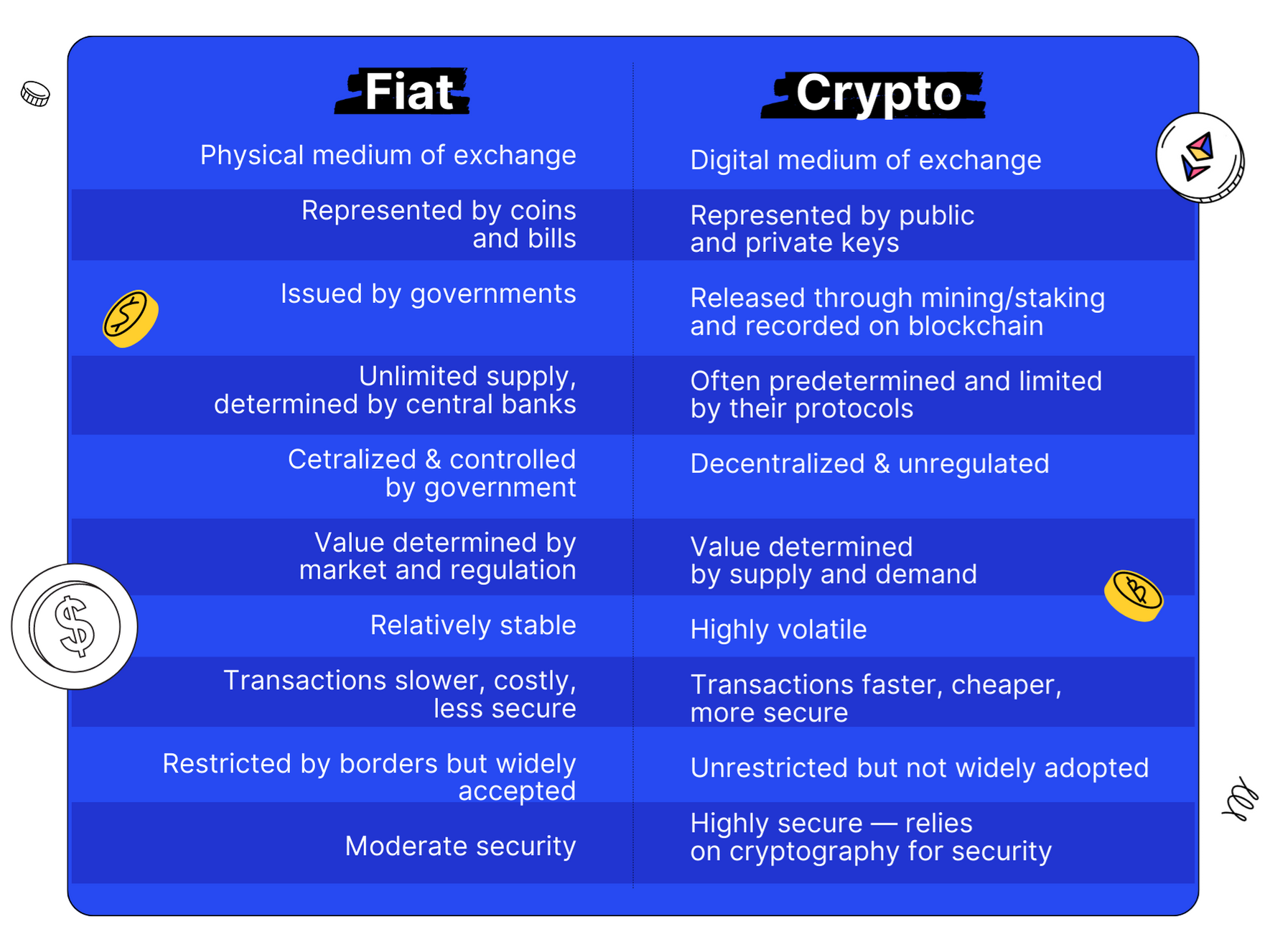
Fiat currencies (like the USD) offer stability through central authority but suffer inflation and restrictions. Crypto brings decentralization but high volatility. Buterin’s hybrid flips the script: productive assets grow value, while prediction markets create synthetic stability tied to real-world indices.
This echoes broader discussions in decentralized finance literature about moving beyond simple stablecoins toward dynamic, user-specific risk management.
Real-World Impact and Remaining Hurdles
For average people, this could mean crypto finally feels useful beyond speculation—safeguarding budgets against surprises without banks or fiat dependency. Builders might create AI agents that handle hedging seamlessly on-chain.
Obstacles exist: creating reliable real-world data feeds, ensuring liquidity for everyday risks, and dealing with regulations that often view prediction platforms through a gambling lens.
Buterin’s 2026 warning serves as a wake-up call. Prediction markets showed massive promise for truth-seeking and coordination. By leaning into hedging, they could become everyday financial infrastructure, more resilient and valuable than fleeting bets.
In a world of economic uncertainty, rethinking money’s tools matters. Vitalik’s push reminds us innovation thrives when it solves genuine problems—not just entertains. Watch this space; the shift from “cursed” gambling to practical hedging might redefine how we handle risk in the years ahead.