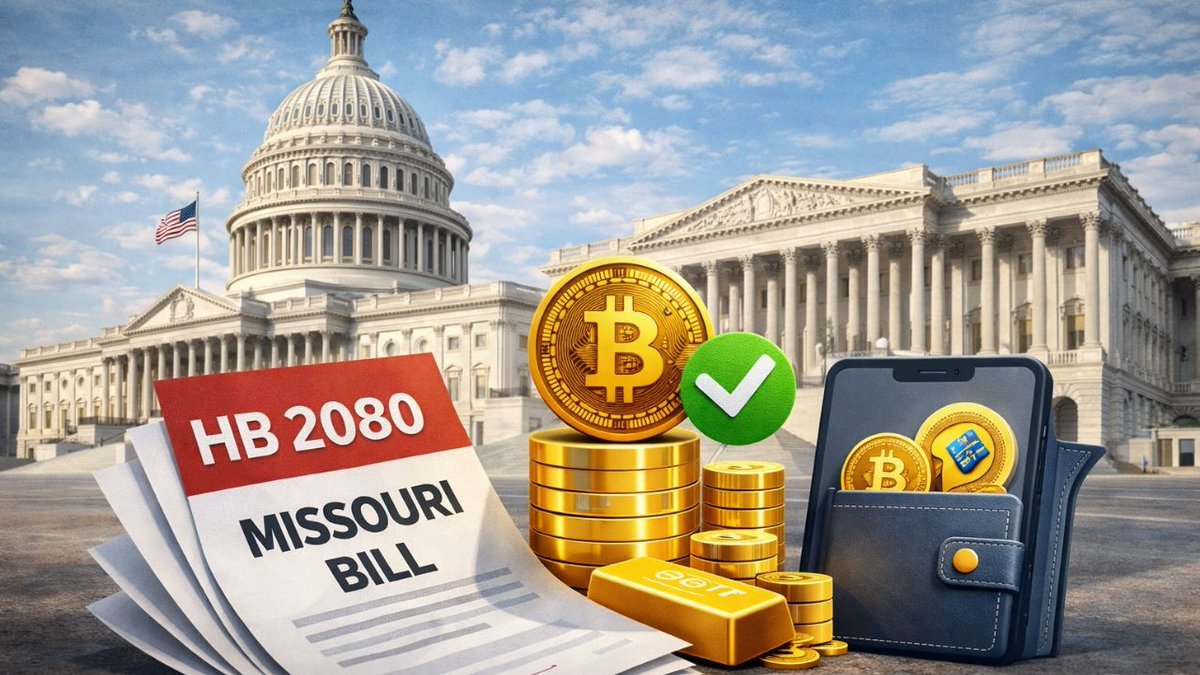
Missouri’s HB 2080 Bitcoin Fund refers to House Bill 2080, a 2026 legislative proposal in Missouri aimed at launching a Bitcoin Strategic Reserve Fund. Sponsored by Representative Ben Keathley, this bill seeks to let the state officially hold and manage Bitcoin as a strategic asset, much like a modern twist on traditional gold reserves.
The idea taps into Bitcoin’s reputation as a scarce, inflation-resistant digital asset. As of early March 2026, the bill has advanced past an initial public hearing and sits in the House Commerce Committee, keeping Missouri in the conversation about state-level crypto adoption.
Why States Like Missouri Are Exploring Bitcoin Reserves
Bitcoin isn’t just for individual investors anymore—it’s increasingly viewed as “digital gold” due to its fixed supply cap of 21 million coins and decentralized nature. States see potential in building reserves to hedge against economic shifts or inflation, similar to how nations stockpile physical gold.
Missouri’s push comes amid a broader trend: some states are easing crypto rules, and HB 2080 builds on recent efforts to remove certain state capital gains taxes on assets. Backers say it could draw innovation and talent to the state, while skeptics raise concerns about price swings and custody challenges. The bill tries to address those worries with strict rules.

(Images above illustrate Bitcoin often framed as “digital gold” in strategic reserve discussions, highlighting its appeal as a long-term store of value.)
How the Bitcoin Strategic Reserve Fund Would Work
If passed, HB 2080 would set up a dedicated fund inside the state treasury, managed by the Missouri State Treasurer. Key points explained simply:
- Funding Sources — The fund starts mainly through voluntary donations: Missouri residents or approved entities could gift, bequeath, or donate Bitcoin directly. The treasurer could also buy Bitcoin with state money if authorized, but the emphasis is on private contributions to minimize taxpayer risk.
- Five-Year Lock-Up Rule — Bitcoin received must stay in secure storage for at least five years. After that window, the treasurer gains flexibility to sell, transfer, use, or swap it for another cryptocurrency.
- Safety First — Strict security is required, including cold storage (keeping keys offline and away from internet risks), regular audits, and the option to hire trusted U.S.-based experts. No deals with foreign entities or anything tied to illegal activity are allowed.
- Open Reporting — Every two years, the treasurer must release a clear public report (posted online and shared with lawmakers) covering holdings, dollar value, changes, transactions, and any security incidents.
- Donation Process — A user-friendly system would handle gifts, with thank-you certificates for donors and special recognition for bigger contributions. The treasurer can reject unsuitable donors and return their Bitcoin.
- Extra Crypto Flexibility — The bill also lets government bodies accept approved cryptocurrencies for taxes or fees (with any processing costs covered by the payer).
These safeguards aim to make the fund responsible while opening the door to crypto in public finance.

(Visuals showing the concept of handing over or donating Bitcoin, representing how residents could contribute to the fund voluntarily.)
Where the Bill Stands Right Now
As of March 2026, HB 2080 completed its public hearing in late February and remains under review in the House Commerce Committee. Next steps could include committee approval, full House debate and vote, then Senate action, and finally the governor’s decision. If signed, it would take effect August 28, 2026.
This version revives a similar 2025 idea that stalled, but changes—like the committee assignment—may give it better odds. It joins parallel efforts in other states debating government Bitcoin holdings.
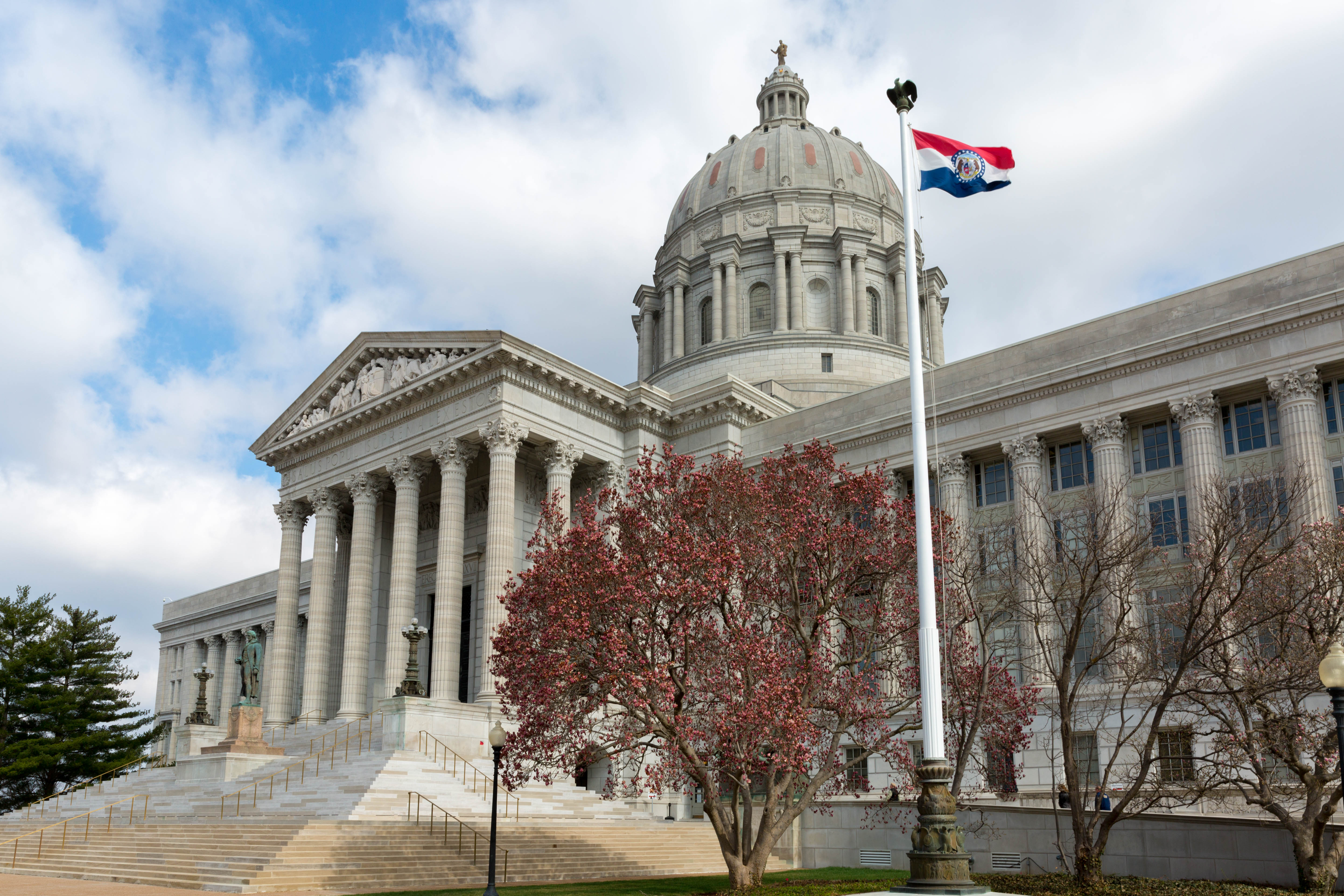
(Photos of the Missouri State Capitol in Jefferson City, where lawmakers debate and decide on bills like HB 2080.)
What It Might Mean for Regular Missouri Residents
The fund wouldn’t force taxpayer money into Bitcoin at the start—donations lead the way. Everyday people could donate holdings and get official acknowledgment, almost like contributing to a state legacy project. Over years, a growing reserve might shape future financial decisions or encourage more welcoming crypto policies.
For newcomers to cryptocurrency, this bill shows how Bitcoin is shifting from a personal investment topic to real government policy. It reflects bigger questions about digital assets in everyday economics.
For the latest official details, visit the Missouri House site (house.mo.gov) or trackers like LegiScan. This overview draws from the bill text (HB 2080, 2026 session), Bitcoin Magazine coverage (February 23, 2026), and related reports on its committee progress.
Missouri’s Bitcoin fund proposal could become a notable chapter in how states adapt to cryptocurrency—watch this space as the session unfolds.