
Picture this: you open your crypto wallet, see a tempting DeFi opportunity, hit approve—and suddenly your funds vanish into a scammer’s address. These gut-wrenching moments happen far too often in crypto, and Vitalik Buterin, Ethereum’s co-founder, has a sobering take. In a candid early 2026 discussion shared on X, he explained that chasing flawless, unbreakable security is a fantasy. The deepest problem isn’t sloppy code or naive users—it’s that human intentions are incredibly intricate, shifting, and hard even for us to pin down completely.
This isn’t just tech talk; it’s a wake-up call. Crypto can’t hide behind promises of perfection. Real safety comes from designs that accept human messiness and add smart, overlapping protections instead.
Redefining Security: It’s About Matching What You Actually Want
Buterin cuts to the core: security in crypto means shrinking the distance between your true goal (“send 0.5 ETH to my buddy safely”) and what the blockchain executes. Too often, that gap widens because of hidden risks, confusing interfaces, or malicious tricks.
Human desires aren’t binary—they mix priorities like low fees, strong privacy, acceptable risk, and speed. No smart contract or protocol can perfectly translate that fuzzy mix into code without sometimes missing the mark.
He captured it sharply: “Perfect security is impossible—not because machines are flawed, or even because humans designing them are flawed, but because the user’s intent is fundamentally an extremely complex object that the user themselves does not have easy access to.”
This echoes long-standing ideas in security research, where experts stress that absolute protection usually sacrifices practicality (see Schneier’s writings on security engineering trade-offs).

Opinion | Ethereum’s Founder on What Crypto Can — and Can’t — Do – The New York Times
(Vitalik Buterin reflecting on complex crypto challenges – his thoughtful perspective drives this important conversation.)
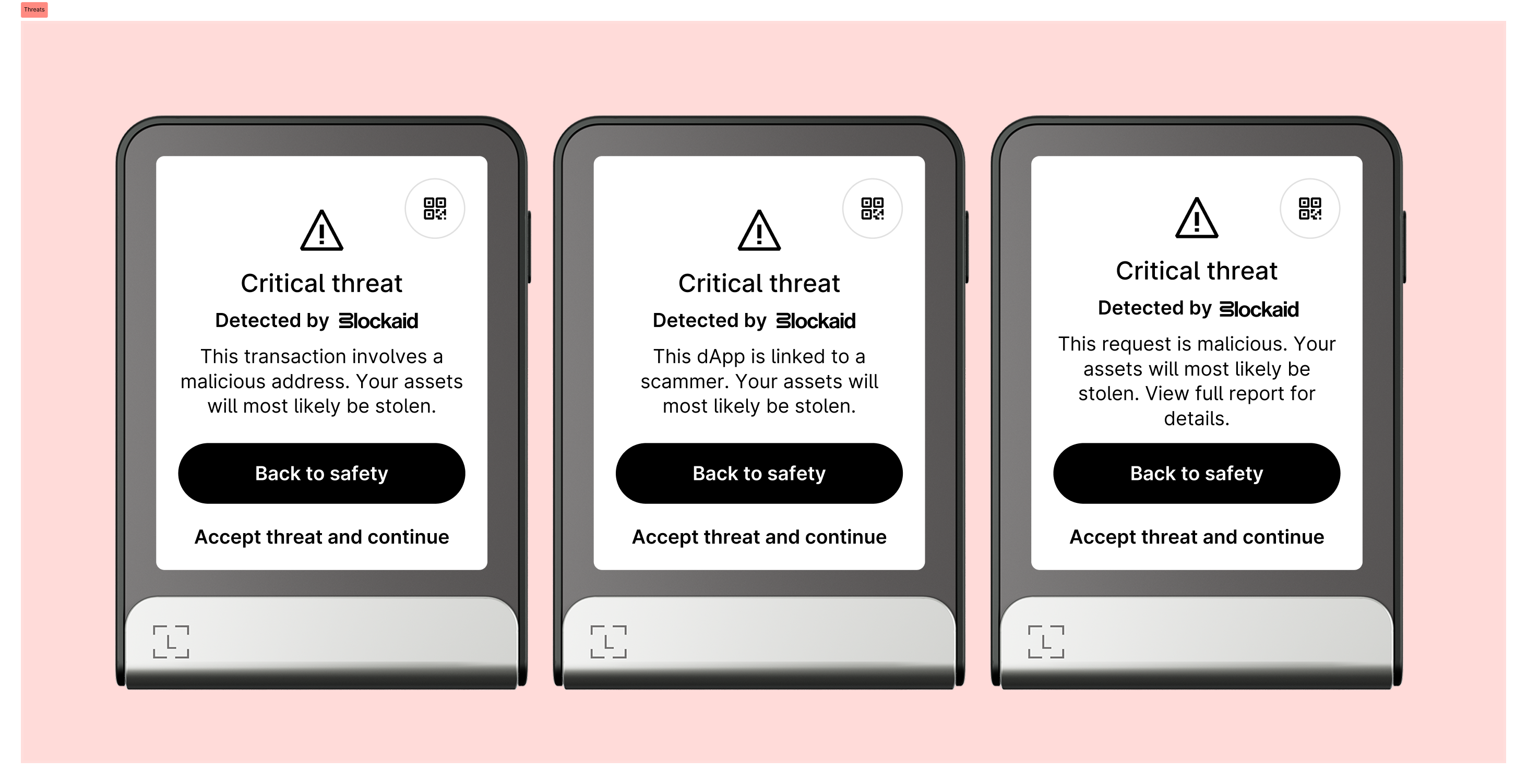
How Blockaid Helps Ledger’s Transaction Check Mitigate Blind Signing Risks | Blockaid Blog
(Modern wallet alerts showing critical threats before signing – a practical example of catching intent mismatches early.)
The Trap of “Unhackable” Promises
Projects love marketing “100% secure” or “battle-tested” labels to win trust. Buterin cautions that overpromising breeds danger. When the inevitable slip happens—maybe a clever phishing twist or an edge-case bug—users feel betrayed because they believed in invincibility.
We’ve seen it repeatedly: drained wallets from fake approvals, locked funds from subtle contract flaws, privacy slips in “secure” protocols. These aren’t just coding errors; they’re symptoms of trying to force rigid logic onto fluid human needs.
Even heavy tools like mathematical proofs (formal verification) fall short here—they verify code against specs, but those specs rarely capture every nuance of what a person really intends.
Building Better: Embrace Layers, Not One Magic Shield
Buterin’s solution? Stop hunting one perfect barrier. Build redundancy—several independent checks that cross-verify your actions from different viewpoints. It’s the same principle that keeps airplanes safe: no single part is flawless, but combined systems make catastrophe extremely unlikely.
Key layers gaining traction include:
- Transaction previews that simulate and explain outcomes before you commit
- Multi-signature or time-delay requirements for meaningful amounts
- AI-powered scanners that spot suspicious patterns in context
- Hardware signals plus behavioral checks for extra confidence
These features don’t promise zero risk—they make honest mistakes harder and scams more obvious, letting regular people use crypto with greater peace of mind.
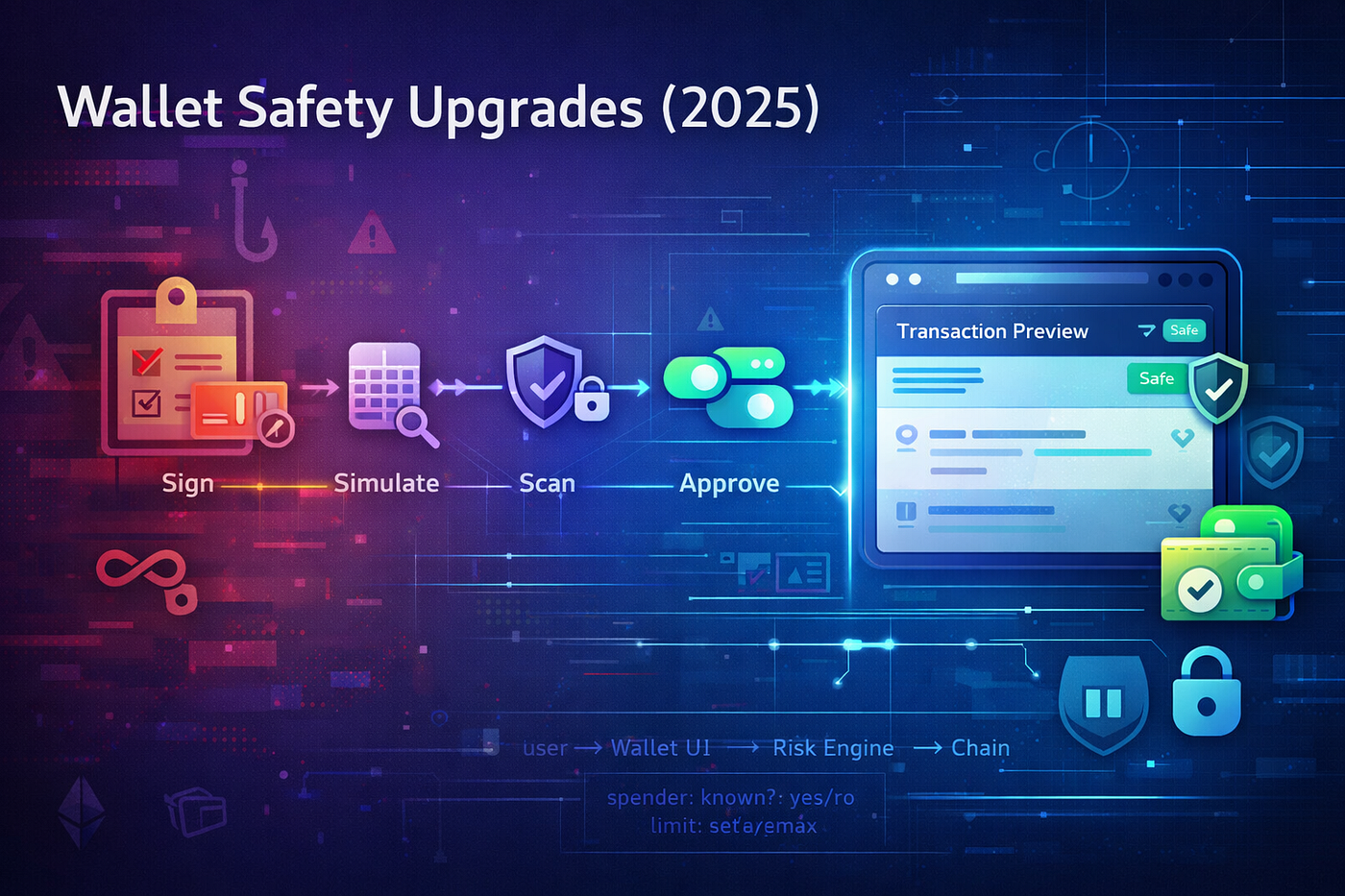
7 Wallet Safety Upgrades Quietly Rolling Out in 2025 | by Nexumo | Dec, 2025 | Medium
(Wallet safety flow showing simulation, scanning, and approval steps – layered defenses in action for everyday users.)

Role of AI in Cybersecurity: Protecting Digital Assets From Cybercrime
(Visual roadmap highlighting how AI and automation strengthen cybersecurity layers – relevant to emerging crypto protections.)
Practical Tips for Regular Crypto Users in 2026
If you’re new or cautious, Buterin’s realism is actually good news: you don’t need to be a security expert to stay safer.
- Choose wallets that clearly preview transactions (many leading ones now include this by default)
- Turn on extra safeguards like multi-approvals or spending limits for big moves
- Pause and double-check anything that feels rushed or promises unrealistic rewards
Adopting this mindset helps the whole ecosystem. When developers stop pretending perfection exists, they focus on intuitive, forgiving tools—exactly what everyday people need to adopt crypto confidently.
Toward a More Realistic (and Usable) Future
Buterin’s point isn’t pessimistic—it’s liberating. Crypto’s real power lies in openness, decentralization, and community innovation, not in unreachable ideals of flawless security.
As we move deeper into 2026, watch for more emphasis on these human-centered, multi-layered approaches. The aim isn’t erasing every danger—it’s building systems where ordinary users aren’t blindsided.
Perfect security may remain out of reach, but practical, thoughtful security that respects how real people think and act? That’s not only possible—it’s already starting to take shape.