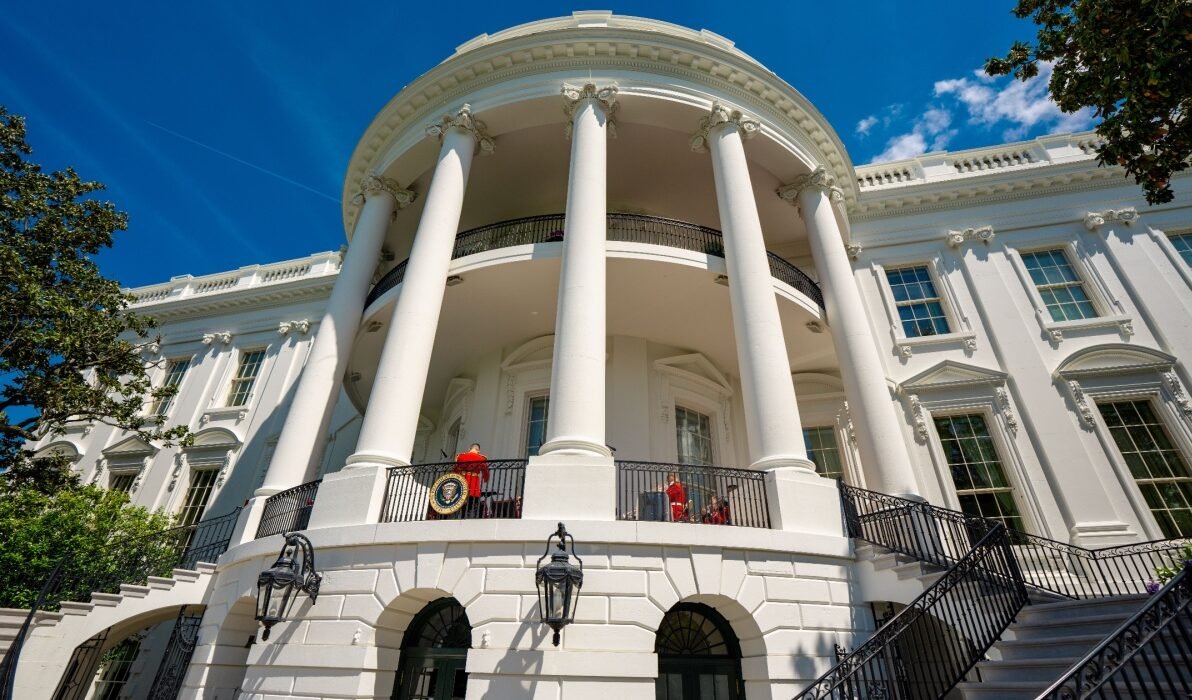
The White House February Deal on Stablecoin Yields to Unlock Crypto represents a pivotal moment in U.S. digital asset policy. In early February 2026, the White House convened high-level talks between crypto industry leaders and traditional banking representatives to break a longstanding deadlock. The core issue? Whether crypto platforms should offer yields or rewards on stablecoins — those dollar-pegged digital tokens used for fast, low-cost transactions.
This negotiation, held on February 2, aimed to resolve tensions blocking broader crypto market structure legislation, such as the CLARITY Act. No final agreement emerged from the initial session, but the administration set a clear deadline: reach a compromise by the end of February. If successful, this could open the door for wider crypto adoption, clearer rules, and innovation that benefits everyday users.

Trump’s ‘crypto council’ has ‘no juice’ as it stumbles out of the …
What Are Stablecoins and Why Do Yields Matter?
Stablecoins like USDC or USDT maintain a steady value, usually tied to the U.S. dollar, making them ideal for payments, remittances, or trading without the wild price swings of Bitcoin.
The debate centers on “yields.” Under the GENIUS Act (passed in 2025), stablecoin issuers cannot pay interest directly to holders just for keeping the tokens. However, a potential loophole allows crypto exchanges or platforms to offer rewards indirectly — perhaps funded by interest earned on reserves like Treasury bills.
Crypto firms argue this feature attracts users, boosts competition, and encourages innovation. Banks counter that it could drain deposits from traditional accounts, reducing funds available for loans and hurting local economies. According to analyses from banking groups, unchecked yields might shift trillions in deposits away from banks.

Stablecoin Landscape and the Remittance Use Case | Report
(Here is a clear visual breakdown of typical stablecoin reserve composition, showing how much is held in U.S. Treasuries, bank deposits, and other safe assets — the source of potential yields.)
The White House Steps In: Key Details from February 2026
Led by crypto adviser Patrick Witt, the closed-door meeting brought together executives from major exchanges, blockchain associations, and banking trade groups like the American Bankers Association (ABA). Discussions lasted over two hours in the White House’s Diplomatic Reception Room.
Participants described the talks as constructive, with both sides identifying pain points and possible compromises. The White House issued “marching orders”: finalize new language on stablecoin yields before month’s end to revive stalled legislation.
Reports from sources like CoinDesk and Reuters highlight optimism from crypto advocates, including Blockchain Association CEO Summer Mersinger, who called it “an important step forward.” Banking representatives emphasized protecting financial stability, citing risks outlined in joint letters urging Congress to close loopholes.
No immediate breakthrough occurred, but the push signals strong administration interest in advancing pro-innovation rules under President Trump’s leadership.
Why This Could Unlock Crypto’s Potential
Resolving the yield question might pave the way for comprehensive market structure laws, clarifying rules for digital assets beyond stablecoins. This could:
- Boost mainstream adoption by making stablecoins more appealing for everyday use.
- Encourage safer innovation while addressing bank concerns about deposit flight.
- Position the U.S. as a leader in regulated crypto, attracting global investment.
For ordinary people, clearer rules mean easier, cheaper ways to send money abroad, earn small returns on digital cash holdings, or participate in the growing digital economy — without fearing sudden regulatory crackdowns.

Global Crypto Policy Review Outlook 2025/26 Report | TRM Labs
(This timeline graphic captures major crypto regulation milestones from 2025–2026, including the GENIUS Act, ongoing CLARITY Act debates, the February 2026 White House meeting, and potential late-February compromise — helping put the current talks in context.)
Potential Outcomes and What to Watch Next
If parties agree by late February, lawmakers could move quickly on the broader bill, potentially passing it through committees and toward a vote. Failure might prolong uncertainty, slowing crypto growth.
Experts note this fits the administration’s goal of fostering innovation while maintaining stability. As one policy readout stated, the focus remains on bipartisan solutions that benefit consumers and the economy.
Stay tuned — this February negotiation could mark the turning point where stablecoins evolve from niche tools to everyday finance fixtures.

The Impact of Decentralized Finance on Traditional Banking
(Here is an illustrative concept showing digital dollars and crypto assets flowing between a smartphone wallet, blockchain networks, and traditional bank buildings — visually representing the bridge between old-school finance and the new crypto world that this deal aims to strengthen.)
In summary, the White House’s February push on stablecoin yields isn’t just regulatory fine-tuning; it’s a high-stakes effort to balance innovation with safety, potentially unlocking crypto’s full promise for millions of Americans.