

What if sending money to another country was as fast and cheap as texting a friend? For years, Ripple has been chasing that dream, and on January 9, 2026, the UK’s tough financial watchdog just handed them a golden ticket. The Financial Conduct Authority (FCA) granted Ripple’s UK arm full approval for an Electronic Money Institution (EMI) license and Cryptoasset Registration—a rare double win that lets regulated British companies start using blockchain for real-world cross-border payments right now.
This isn’t just paperwork; it’s a massive vote of confidence in Ripple’s technology from one of the world’s strictest regulators. Here’s what it actually means for everyday people, businesses, and the future of money.

XRP Price Surges as Ripple Wins Approval from UK FCA – The Coin …
Breaking Down the Approval: What Ripple Actually Got
Ripple’s UK subsidiary, Ripple Markets UK Ltd., now holds two powerful permissions:
- Electronic Money Institution (EMI) License – This allows Ripple to issue e-money and handle payments exactly like a regulated fintech (think Revolut or Wise, but powered by blockchain behind the scenes).
- Cryptoasset Registration – Proof that Ripple meets the UK’s strict anti-money-laundering and counter-terrorism financing rules for digital assets.
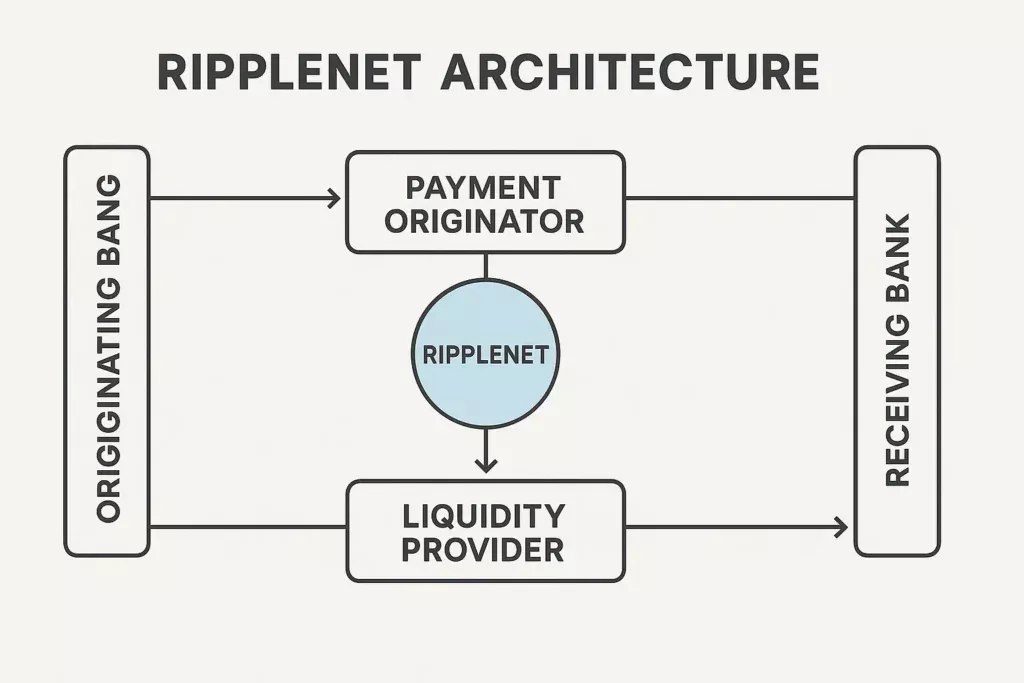
Together, these let UK banks and businesses plug into Ripple Payments – the company’s enterprise platform that settles international transfers in seconds using digital assets (including XRP and stablecoins like RLUSD) instead of waiting days through old-school systems like SWIFT.
As Cassie Craddock, Ripple’s Managing Director for UK & Europe, explained: “Securing approvals from the FCA is a pivotal moment… enabling us to provide essential digital assets infrastructure to UK businesses” (Ripple Press Release, January 9, 2026).

Ripple Transforming Cross Border Payments | ZebPay
Why This Matters More Than Most Crypto News
Traditional cross-border payments are slow and expensive – fees often hit 6-7% and money can take 3-5 days to arrive. Ripple’s solution cuts that to seconds and pennies, because it uses blockchain as a bridge instead of a chain of correspondent banks.
With FCA backing:
- UK companies can now legally send payments to 100+ countries almost instantly.
- Banks get a compliant on-ramp to blockchain without building everything themselves.
- It puts Britain firmly on the map as a crypto-friendly global finance hub, right as the government prepares full digital asset rules for 2027.
MPs brand UK financial regulator ‘incompetent’
How Ripple Payments Works in Simple Terms
- A London business wants to pay a supplier in Singapore.
- They send pounds to Ripple’s regulated UK account.
- Ripple converts to digital assets, zips them across the blockchain.
- The Singapore partner receives local currency in seconds – all fully tracked and compliant.
No more money stuck in limbo, no huge fees eaten by middlemen.
Ripple Explained – XRP, Cross-Border Payments & Crypto Infrastructure
The Bigger Picture: Ripple’s Global Winning Streak
The UK approval adds to an impressive 2025-2026 run:
- Full closure of the long SEC lawsuit in the US
- Major Payment Institution license expansion in Singapore
- VASP registration across Europe (Ireland, etc.)
- Now over 55 licenses worldwide
Ripple President Monica Long called it part of “unlocking trillions in dormant capital” and making value move “instantaneously” (Ripple Press Release, January 9, 2026).
What About Everyday People and XRP Holders?
Right now, the license is focused on institutions – no retail crypto ATMs or direct consumer services without further approval. But the ripple effects (pun intended) are huge:
- More real-world use → stronger demand for the underlying tech (including XRP for liquidity)
- Safer, regulated environment that could bring traditional banks into crypto faster
- Lower remittance costs for migrant workers sending money home

XRP’s Strategic Position in Global Payments and Institutional …
The FCA approval isn’t the finish line – Ripple will still need to apply again when the UK’s full crypto regime launches in 2027 – but it’s a massive head start. In a world where money still moves at 20th-century speeds, this feels like the moment the UK officially opened the door to 21st-century finance.
Whether you’re a business owner tired of bank delays, a remittance sender paying sky-high fees, or just someone curious about where money is heading next, keep an eye on Ripple in the UK. The future of payments just got a very British stamp of approval. 🚀