
Picture this: You’re casually checking your Binance app when a notification pops up—you’ve just qualified for free tokens simply because you held onto your BNB during a short window last month. No frantic farming, no complex tasks—just steady holding rewarded with a slice of a promising new project. That’s the magic unfolding with the Brevis (BREV) airdrop in early 2026, signaling Binance’s shift toward smarter, loyalty-focused giveaways that benefit real users over quick-flip speculators.

Why Binance is the latest crypto exchange to get in trouble with …
What Makes the BREV Airdrop Special?
Binance’s HODLer Airdrops program has hit its 60th milestone with Brevis, a cutting-edge project in verifiable computing. Unlike old-school airdrops that flooded the market with tokens anyone could grab (often leading to instant dumps), this one rewards BNB holders who subscribed to Simple Earn products between December 17 and 19, 2025.
A whopping 15 million BREV tokens—1.5% of the total supply—are up for grabs here. This targeted approach encourages long-term participation and reduces sell pressure right out of the gate.

Binance Launches HODLer Airdrops for BNB Holders! | Binance …
Introducing Brevis: The Tech Behind BREV
Brevis is a smart verifiable computing platform tackling big challenges in blockchain, data, and AI integration. It uses zero-knowledge (ZK) proofs to enable trustless, scalable computations—think proving complex data insights without revealing the underlying info.
This tech powers real-world apps in DeFi, AI-driven dApps, and cross-chain systems, making on-chain experiences faster and more private. Partners like MetaMask, Uniswap, and Linea already trust it, with over 288 million proofs generated to date.

Introducing $BREV, the native token that coordinates economics …
How Zero-Knowledge Proofs Work Simply
In everyday terms, ZK proofs let you verify something is true without showing all the details—like proving you’re over 18 without sharing your full ID. Brevis applies this to blockchain, solving the “black box” problem where off-chain data can’t be fully trusted on-chain.
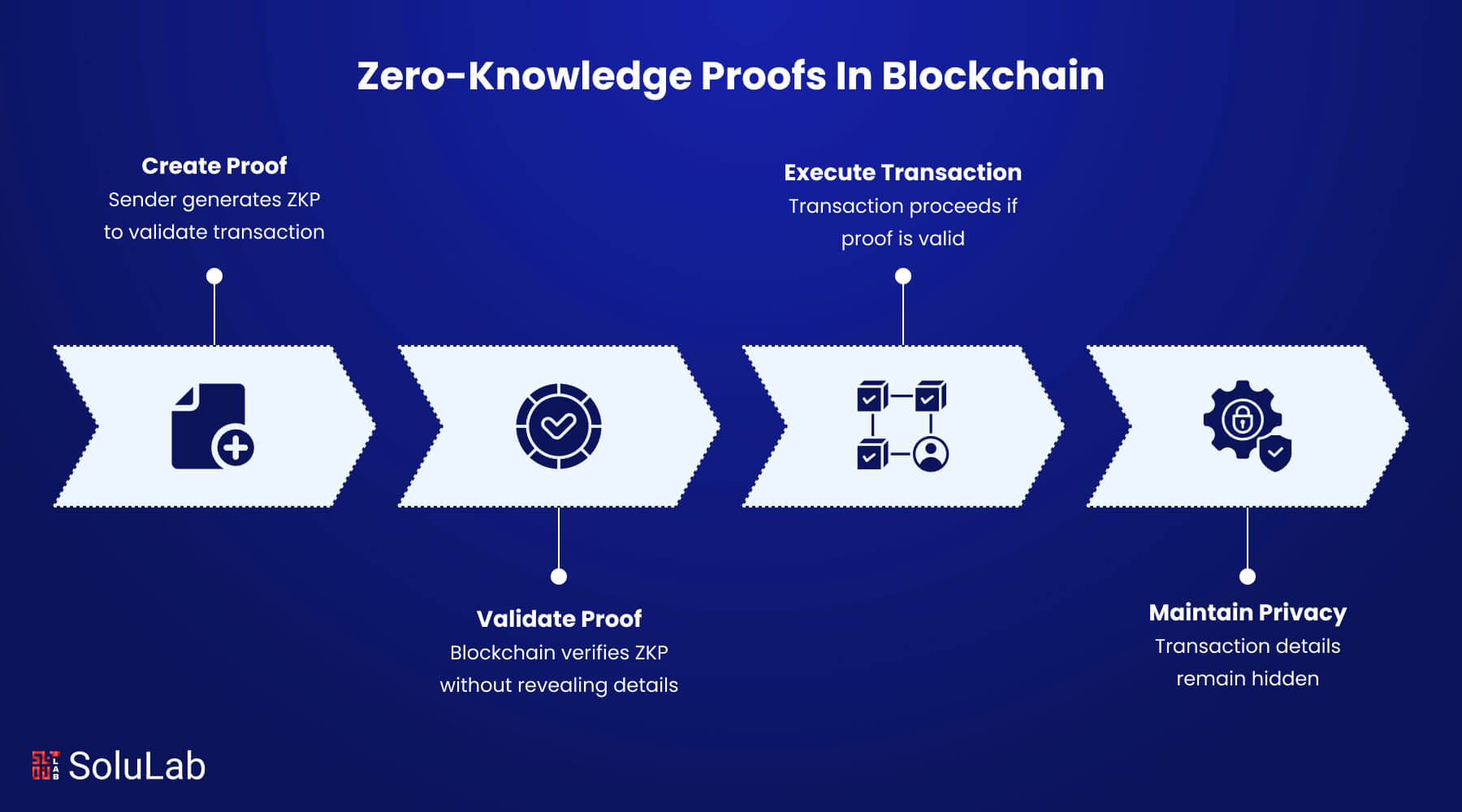
How Do Zero-Knowledge Proofs Keep Blockchain Transactions Private?
Eligibility and How to Claim Your Rewards
To qualify, your BNB needed to be in Binance’s Simple Earn (Flexible or Locked) or On-Chain Yields during that three-day snapshot period. Even small amounts over 0.01 BNB counted.
Claims open on January 6, 2026, at 13:00 UTC via the official portal, with 30 days to grab your share. Trading kicks off shortly after on Binance (with pairs like BREV/USDT) and other major exchanges, often marked by a “seed tag” for higher volatility.
Why This Signals a New Era for Rewards
Binance is evolving airdrops into tools for building loyal communities, not just hype machines. By tying rewards to holding BNB—a core ecosystem asset—they align incentives with platform growth.
This model filters out bots and farmers, favoring genuine users. As crypto matures in 2026, expect more structured distributions that boost token retention and real utility.

Best High-Risk, High-Reward Cryptos to Buy in 2026 – Top 5 List
Tips for Everyday Crypto Holders
If you’re eligible, stay calm—check official Binance channels for the claim link and avoid phishing scams. For future airdrops, keeping some BNB in Simple Earn is a low-effort way to position yourself.
Remember, while airdrops feel like free money, new tokens can be volatile. Research the project, diversify, and only invest what you can afford to hold through swings.
In 2026’s dynamic crypto landscape, initiatives like BREV show how rewards are getting smarter—prioritizing holders who stick around for the long haul. Whether you’re claiming your first airdrop or adding to your portfolio, this could be a rewarding step into the next wave of blockchain innovation.