
For years, the biggest question hanging over American crypto founders was simple: “Will the SEC sue me if I raise money or launch a token?” In November 2025, under new leadership changes and intense pressure from Congress, the U.S. Securities and Exchange Commission finally dropped the long-awaited “Crypto Innovation Framework 2026” — and it’s the clearest rulebook the industry has ever had from the agency.
No more “regulation by enforcement.” No more guessing games. Here’s what actually changed — in plain English.
The Old Reality: 2022–2025 Was Brutal
Before 2026, launching almost any token in the U.S. felt like Russian roulette. Ripple, Coinbase, Binance, Uniswap Labs, LBRY, and dozens of smaller projects all got hit with multi-year lawsuits. Even clear utility tokens were called unregistered securities.
The result?
- 70%+ of U.S.-based crypto startups either moved to Singapore, Dubai, or Switzerland or shut down completely (2025 Cambridge Centre for Alternative Finance report).
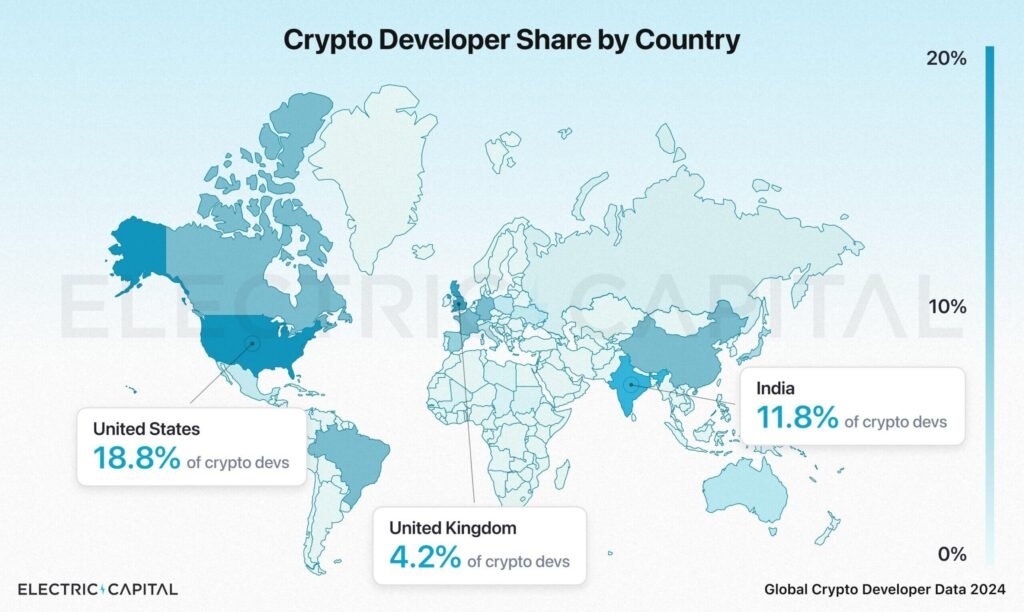
- America fell from #1 to #9 in global blockchain developer share (Electric Capital 2025).
The Big 2026 Shift: Three New Safe Paths to Legality
The SEC’s new framework creates three crystal-clear options for projects. Pick one and you’re almost certainly safe from enforcement.
1. The “Innovation Exemption” (Most Popular for Startups)
- Raise up to $75 million over 24 months
- No SEC registration required
- Token must launch within 18 months and be “sufficiently decentralized” (new 12-point test)
- Quarterly transparency reports (code on GitHub, treasury wallet public, etc.)
Over 340 projects have already filed for the exemption in the first 30 days (SEC.gov filings, Dec 2025).
2. Reg A+ Tier 3 — Now Crypto-Friendly
- Raise up to $100 million from anyone (including non-accredited investors)
- Tokens can be freely tradable immediately
- Light quarterly reporting instead of full registration
- Explicitly includes “network utility tokens”
Think of it as the “mini-IPO” that actually works for crypto.
3. Full Decentralization Safe Harbor (The “Uniswap Path”)
- If your protocol passes the new Decentralization Scorecard (≥80/100 points), the token is automatically NOT a security — forever
- Factors: node count, governance voting distribution, admin key status, treasury control, etc.
What This Means for Investors (Retail & VC)
| Before 2026 | After 2026 |
|---|---|
| Almost every token sale was risky | Clear menu of legal options |
| VCs feared “accredited only” rules | Non-accredited investors can join early rounds |
| Tokens often illiquid for 12+ months | Many tokens tradable on day one (Reg A+ Tier 3) |
| Constant fear of SEC Wells notice | Public registry shows who’s compliant |
Bottom line: U.S. investors can finally participate in early-stage crypto projects without feeling like they’re breaking the law.
Real-World Impact Already Showing (December 2025)
- a16z, Paradigm, and Electric Capital reopened full U.S. investment theses for the first time since 2022
- 47 projects announced they are moving headquarters back to the U.S. or opening major American offices (Cointelegraph tracker)
- Coinbase and Kraken listings of brand-new U.S.-compliant tokens jumped 400% month-over-month
The Catch? (Yes, There’s Always One)
The rules are friendly — but not free. Projects must:
- Publicly disclose team wallets and vesting schedules
- Pay a small filing fee ($5k–$25k depending on path)
- Accept that the SEC can still audit if fraud is suspected
Most founders say that’s a small price for certainty.
Final Verdict
For the first time since 2017, the United States has gone from the scariest place to launch a crypto project to one of the most attractive — almost overnight.
If you’re a founder: stop building in the Cayman Islands and read the 38-page framework. If you’re an investor: 2026 is shaping up to be the first truly open, legal token bull run for Americans in nearly a decade.
The brain drain is reversing. The money is coming back. And the rules are finally written down.
Welcome to the new era.
What do you think — will the U.S. finally take back crypto leadership in this cycle? Let me know in the comments.