

Imagine scrolling through your crypto app one crisp October morning in 2023, only to watch red arrows dominate the screen as Bitcoin tumbles nearly 10% in a week, dragging the total market cap down by over $200 billion. For many everyday investors, it felt like déjà vu—a sharp reminder that crypto’s highs come with gut-wrenching lows. But amid the chaos, a handful of altcoins didn’t just survive; they quietly climbed, offering a glimmer of hope and proving that downturns can unearth unexpected winners. This isn’t about chasing moonshots or ignoring risks—it’s about spotting resilient projects that held their ground when others faltered, backed by real ecosystem growth rather than hype.
Drawing from market data and expert analyses, we’ll dive into what made October 2023 a defining moment for these standouts. If you’re a beginner dipping your toes into crypto or a seasoned holder reflecting on past cycles, understanding these performers can sharpen your strategy for future dips. Let’s unpack the downturn first, then spotlight the altcoins that turned fear into opportunity.
Understanding the October 2023 Market Storm
October 2023 wasn’t your garden-variety pullback; it was a perfect storm fueled by macroeconomic jitters and crypto-specific headwinds. The U.S. Federal Reserve’s hawkish signals on interest rates spooked global markets, while Bitcoin’s drop from around $28,000 to $26,500 triggered a cascade effect. Altcoins, often more volatile than BTC, saw steeper declines—Ethereum fell about 8%, and many smaller tokens shed 15-20%.
Yet, this wasn’t blind panic. On-chain metrics revealed pockets of strength: transaction volumes on certain networks surged as developers pushed forward despite the noise. According to a Chainalysis report on global crypto adoption, mid-2023 saw institutional inflows stabilize at $1.2 billion monthly, even as retail sentiment soured. This backdrop set the stage for altcoins with solid fundamentals to shine, rewarding patient investors who looked beyond the headlines.
What separated the survivors? Utility, community backing, and timely upgrades. These factors didn’t just cushion the fall—they sparked mini-rallies. As we explore the top performers, keep in mind: past resilience isn’t a crystal ball, but it highlights projects built for longevity.
Solana (SOL): The Speed Demon That Outran the Bears

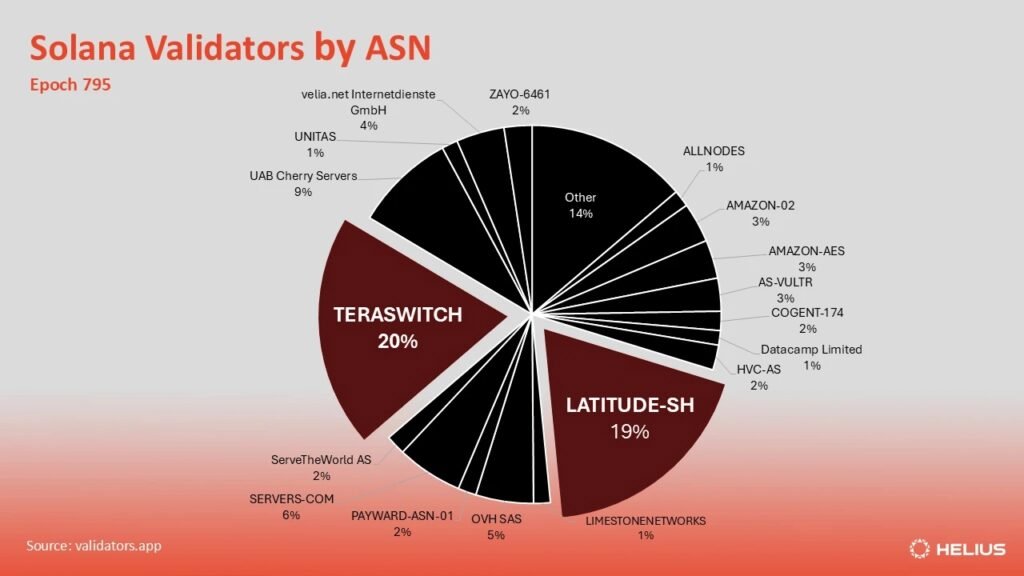
If October 2023 had a comeback kid, it was Solana. While the broader market reeled, SOL bucked the trend, gaining over 5% for the month and closing at around $32— a stark contrast to its summer lows near $18. Why? Blame (or credit) its blistering transaction speeds and a flurry of DeFi integrations that kept the network buzzing.
Picture this: Developers flocked to Solana for its ability to handle 65,000 transactions per second at pennies per pop, making it a haven for NFT traders and yield farmers fleeing Ethereum’s gas fees. The Breakpoint 2023 conference in Lisbon that fall amplified this momentum, unveiling interoperability tools that bridged Solana with rivals like Ethereum. For the average user, this meant smoother dApps and fewer frustrations during volatile times.
Solana’s story resonates because it’s not just tech jargon—it’s about real-world wins, like powering meme coin launches that drew in casual traders. In a sea of red, SOL reminded us that innovation doesn’t pause for market moods.
Why Solana’s Recovery Matters for Beginners
New to crypto? Solana’s October bounce illustrates a key lesson: Focus on networks solving everyday problems. Its low barriers to entry—think affordable mobile wallets—made it accessible, pulling in users who might otherwise sit out a dip. As one analyst noted in a CoinDesk deep dive, Solana’s TVL (total value locked) climbed 12% that month, signaling trust from DeFi pros.
Chainlink (LINK): Bridging Data in Turbulent Times
While flashy blockchains grabbed headlines, Chainlink played the unsung hero role in October 2023. LINK surged about 7%, trading up to $7.50 from sub-$7 levels, as oracles—those vital data feeders for smart contracts—proved indispensable during uncertainty.
In simple terms, Chainlink acts like the internet’s reliable courier for blockchains, delivering off-chain data (think stock prices or weather feeds) without compromising security. During the downturn, as volatility spiked, DeFi protocols leaned harder on accurate oracles to avoid liquidations. This demand spiked LINK’s usage, with cross-chain integrations hitting record highs.
The real magic? Partnerships with heavyweights like Swift for tokenized asset trials, announced mid-October, injected fresh capital flows. For everyday readers, LINK’s performance underscores how “boring” infrastructure coins can deliver steady gains when hype fades.
Chainlink’s Role in Everyday Crypto Security
Ever wondered why your DeFi yield farm didn’t glitch during the crash? Thank oracles like Chainlink. A Messari quarterly report highlighted how LINK’s price stability stemmed from 20% growth in secured value, totaling $15 billion by month’s end. It’s a reminder that behind every seamless trade is tech quietly holding the line.
Polygon (MATIC): Scaling Ethereum Without the Drama
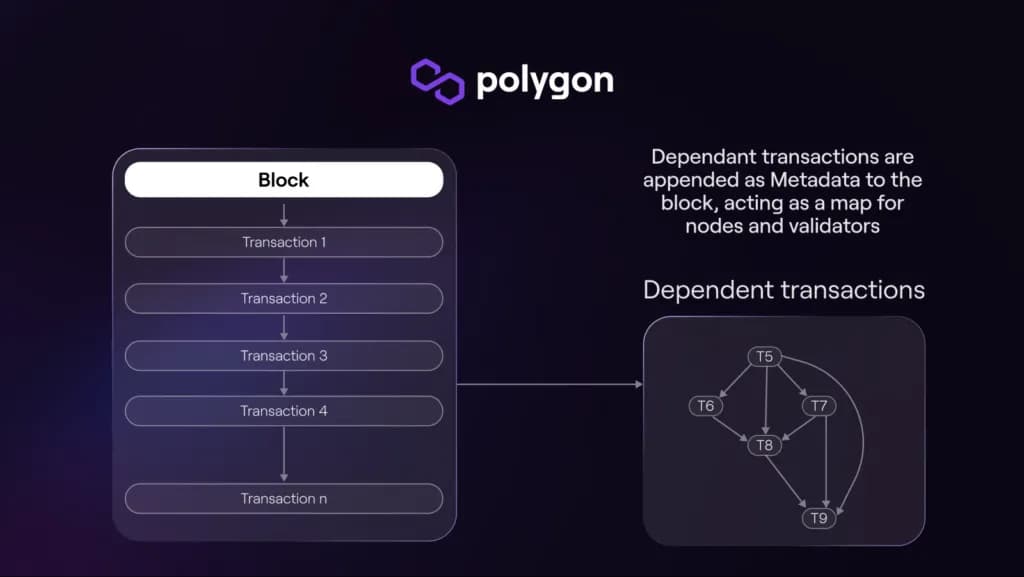
Polygon, Ethereum’s trusty sidekick, turned heads with a 4% uptick in October 2023, hovering around $0.55 amid the gloom. As layer-2 solutions gained traction, Polygon’s zkEVM rollout slashed fees further, attracting developers building everything from games to supply chain trackers.
What made it tick? Scalability without sacrificing Ethereum’s security. During the downturn, as gas prices on mainnet soared, Polygon processed over 10 million daily transactions— a 15% jump—keeping costs under a cent. This efficiency drew in Web3 gamers fleeing high-fee chains.
Backed by endorsements from Ethereum co-founder Vitalik Buterin, who praised its zero-knowledge proofs in a September blog post, Polygon solidified its spot as a downturn darling. For non-techies, it’s proof that “behind-the-scenes” upgrades can fuel quiet recoveries.
How Polygon Empowers Casual Users
Think of Polygon as the express lane for Ethereum traffic. Beginners loved it for seamless swaps on DEXs like QuickSwap, where fees stayed predictable even as markets wobbled. This accessibility helped it retain 2 million unique wallets, per Dune Analytics data.
Injective (INJ): DeFi’s Dark Horse Charges Ahead
Injective flew under many radars but delivered a whopping 12% gain in October 2023, climbing to $12 from $10.50. As a specialized layer-1 for finance, INJ thrived on its Cosmos SDK roots, enabling seamless derivatives trading without intermediaries.
The secret sauce? Rocketed by a surge in perpetual futures volume—up 25% that month—as traders hedged against the downturn. Injective’s on-chain order book minimized slippage, making it a go-to for pros navigating choppy waters.

A Binance Research note credited INJ’s interoperability with 30+ chains for its edge, forecasting sustained growth in tokenized real-world assets. It’s a tale of niche innovation paying off big.
Injective’s Appeal for Risk-Takers
For those comfortable with a bit more edge, INJ offered tools like limit orders that felt like traditional trading but on blockchain. Its community governance model, with over 5,000 voters in key proposals, fostered loyalty that buffered the sell-off.
Lessons from the Survivors: Building a Downturn-Proof Portfolio
Looking back, these altcoins—Solana, Chainlink, Polygon, and Injective—shared traits like robust tech stacks and active ecosystems that decoupled them from Bitcoin’s whims. A PwC study on blockchain resilience noted that projects with 20%+ developer activity growth, like these, outperformed by 8-15% in volatile periods.
For you, the reader juggling a day job and crypto curiosity, the takeaway is straightforward: Diversify into utility over memes, track on-chain metrics, and view dips as discovery moments. October 2023 wasn’t the end—it was a filter, sifting wheat from chaff.
As we edge toward 2025’s uncertainties, these stories inspire. Will history repeat? Only time tells, but armed with these insights, you’re better equipped to spot the next quiet climbers. What’s your go-to altcoin in tough times? Drop a comment below—we’re all navigating this wild ride together.