

Imagine powering your home with clean, renewable energy from vast hydroelectric dams, only to find out that massive computer farms are gobbling up that power to mine digital coins. That’s the dilemma British Columbia faced, leading to a bold move that’s reshaping how the province handles its electricity. In a push for sustainable growth, the government has now made permanent what started as a temporary halt: no new cryptocurrency mining operations can hook up to the public grid. This decision isn’t just about saving watts—it’s a story of balancing tech innovation with real-world needs like affordable housing and green jobs.

Understanding the Ban: What’s Really Happening?
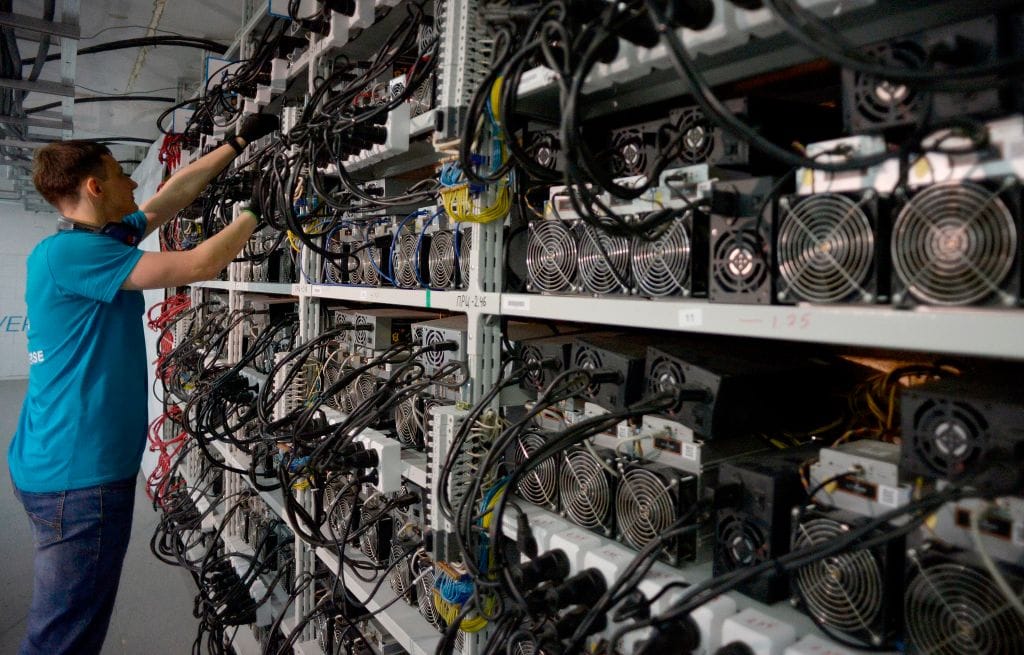
At its core, this ban targets new connections for crypto mining to BC Hydro, the province’s main electricity provider. Crypto mining involves running powerful computers non-stop to solve complex puzzles and validate transactions on blockchains like Bitcoin. These setups consume enormous amounts of energy—think of it as leaving thousands of high-end gaming PCs on 24/7.
The government announced this permanent measure in October 2025 as part of new legislation aimed at directing clean power toward industries that create more jobs and less environmental strain. Existing mines that were already connected before the initial moratorium in 2022 can continue, but no expansions or newcomers will get the green light for grid access.
This isn’t a blanket ban on crypto mining itself—companies could still operate if they generate their own power or find private sources. But relying on subsidized public electricity? That’s off the table now.
The Road to Permanence: A Timeline of Events
British Columbia didn’t wake up one day and decide to pull the plug. It all started back in 2022 when the province imposed an 18-month moratorium on new crypto mining connections amid rising energy demands. Why? Crypto operations were projected to use up electricity equivalent to powering hundreds of thousands of homes, straining the grid during a time when housing and electrification projects needed priority.
That temporary pause was extended in 2024, giving officials time to study the impacts. Fast forward to 2025, and the ban becomes law, embedded in broader rules for high-energy users like AI data centers. These centers must now compete in a “call for power” process, bidding for access to ensure only efficient, job-creating projects get approved.
Why Crypto Mining Got the Boot: Energy and Environment Concerns
Crypto mining’s hunger for power is no secret. A single large-scale farm can guzzle as much electricity as a small city, often leading to higher emissions if the energy isn’t clean. In B.C., where over 90% of power comes from renewables like hydro, the issue is more about opportunity cost—what else could that cheap, green energy achieve?
Environmental groups have long argued that diverting hydro power to mining undermines climate goals. For instance, studies show that global Bitcoin mining alone emits as much CO2 as some countries. By banning new connections, B.C. aims to keep its grid focused on electrifying homes, vehicles, and industries that boost the local economy without the same carbon footprint.
On the flip side, proponents of crypto say mining can be sustainable if done right, perhaps even stabilizing grids by using excess power. But in B.C.’s case, the math didn’t add up—officials calculated that proposed mines would demand 2,100 gigawatt-hours annually, enough to power over 570,000 homes.
Impacts on Businesses and the Broader Economy
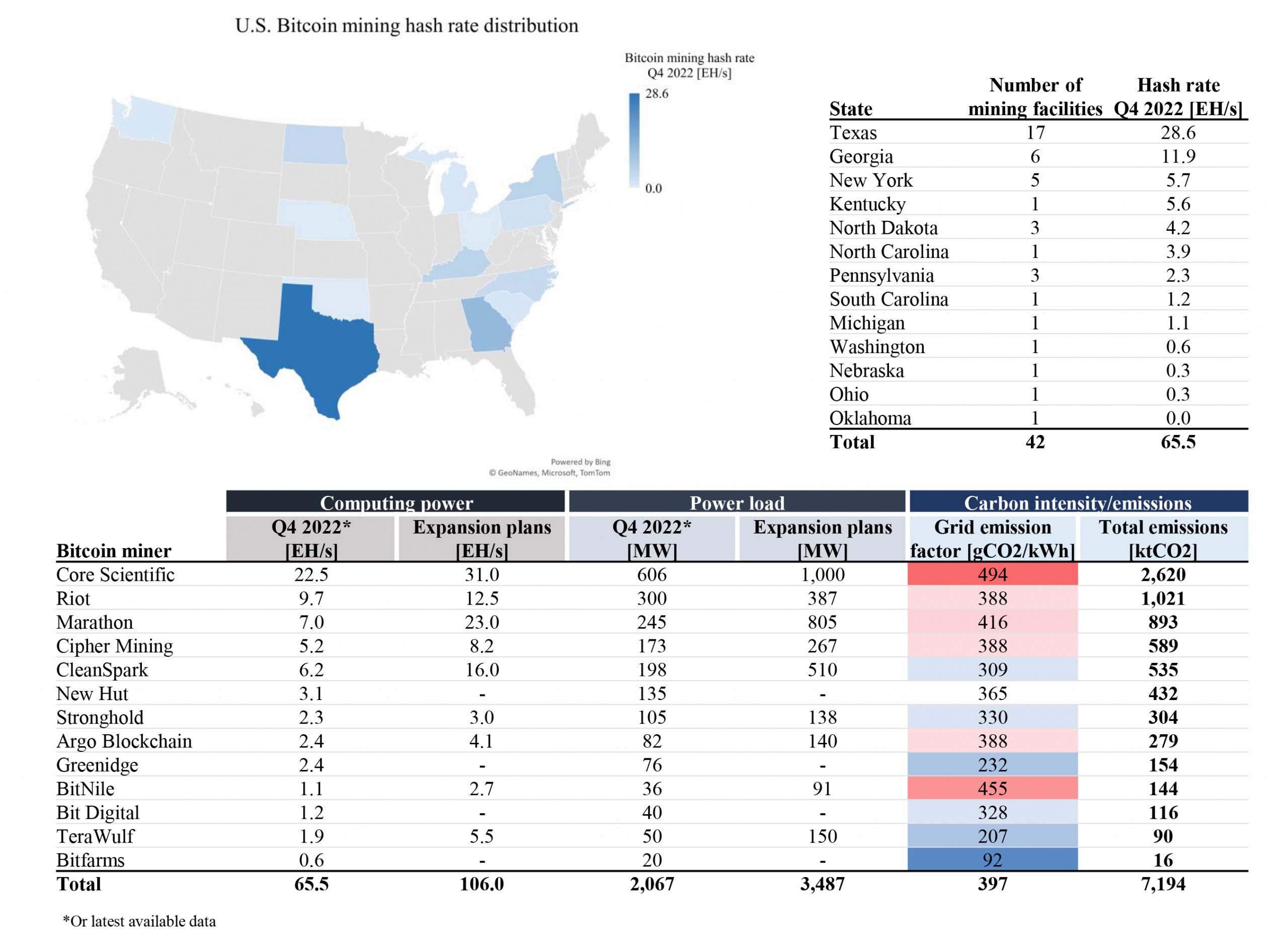
For crypto enthusiasts and companies eyeing B.C. as a mining hub, this is a setback. The province’s cool climate and abundant hydro made it attractive, but now miners must look elsewhere—like Texas or Kazakhstan—or invest in off-grid solutions. This could slow innovation in blockchain tech locally, but it opens doors for other sectors.
Positively, the ban supports B.C.’s CleanBC plan, which targets net-zero emissions by 2050. By reserving power for AI and data centers that promise high-paying jobs, the government hopes to attract tech giants while keeping rates low for residents. It’s a strategic shift: instead of feeding energy to speculative mining, prioritize uses that create tangible benefits.
Looking Ahead: What This Means for You and the Future
If you’re an average resident in B.C., this ban could mean more stable electricity bills and faster progress on green initiatives. No more worrying about blackouts from overloaded grids or subsidies going to foreign-owned mines. For the global crypto world, it’s a reminder that energy policies are tightening—similar moves have happened in places like New York and Sweden.
Ultimately, this decision underscores a bigger debate: how do we harness technology without harming the planet? B.C. is betting on a future where clean power drives inclusive growth, not just digital fortunes. As the world watches, other regions might follow suit, pushing crypto toward more sustainable models.