
What if the dollars in your wallet could evolve into something smarter, faster, and borderless—blending the stability of traditional banking with the innovation of blockchain? That’s the intriguing possibility emerging from the Federal Reserve’s latest conference, where giants like Circle, Coinbase, and Google are converging to reshape how we handle trillions in daily transactions.

The Federal Reserve’s Dive into Digital Innovation
Today marks a pivotal moment as the U.S. Federal Reserve hosts its “Payments Innovation: Opportunities and Emerging Trends” conference in Washington, D.C. This isn’t just another policy talk; it’s a gathering of traditional finance heavyweights and crypto pioneers discussing how blockchain could revolutionize the $10 trillion global payments landscape. With live streams available on the Fed’s website and YouTube, anyone can tune in to see the future unfolding.
The agenda covers everything from stablecoins—digital currencies pegged to real-world assets like the U.S. dollar—to tokenized financial products and the role of artificial intelligence in streamlining payments. Fed Governor Christopher J. Waller is kicking things off with opening remarks, setting the stage for panels that bridge old-school banking with cutting-edge tech. This event signals a shift: the Fed is no longer just observing crypto; it’s actively exploring how to integrate it into everyday finance.
Spotlight on the Power Trio: Circle, Coinbase, and Google
At the heart of this ecosystem are three key players making waves.
First up is Circle, the company behind USDC, one of the most trusted stablecoins. USDC is like a digital dollar that lives on blockchain networks, allowing instant transfers without the volatility of cryptocurrencies like Bitcoin. Circle’s President, Heath Tarbert, is speaking at the conference, highlighting how stablecoins can support the U.S. dollar’s global dominance.

With over $27 trillion in transactions processed in 2024 alone, Circle is positioning itself as a core infrastructure provider for digital payments.
Coinbase, the leading U.S. crypto exchange, is another major force. Its CFO, Alesia Haas, joins the AI and payments panel, bringing insights from a platform that’s not just trading crypto but building real-world applications. Coinbase has deep ties with Circle through USDC, sharing revenue and pushing for its adoption in e-commerce and small business payments. Recently, they’ve launched tools like Coinbase Payments in partnership with Stripe and Shopify, making it easier for businesses to accept stablecoins with lower fees and faster settlements.

Then there’s Google, entering the fray through its Cloud division. James Tromans, Managing Director for Web3 and Digital Assets at Google Cloud, is on the panel discussing AI’s intersection with payments. Google has teamed up with Coinbase to integrate stablecoin payments into AI applications, allowing seamless transactions within tech ecosystems. This collaboration could extend to services like Google Pay, blending blockchain with everyday tools used by billions.
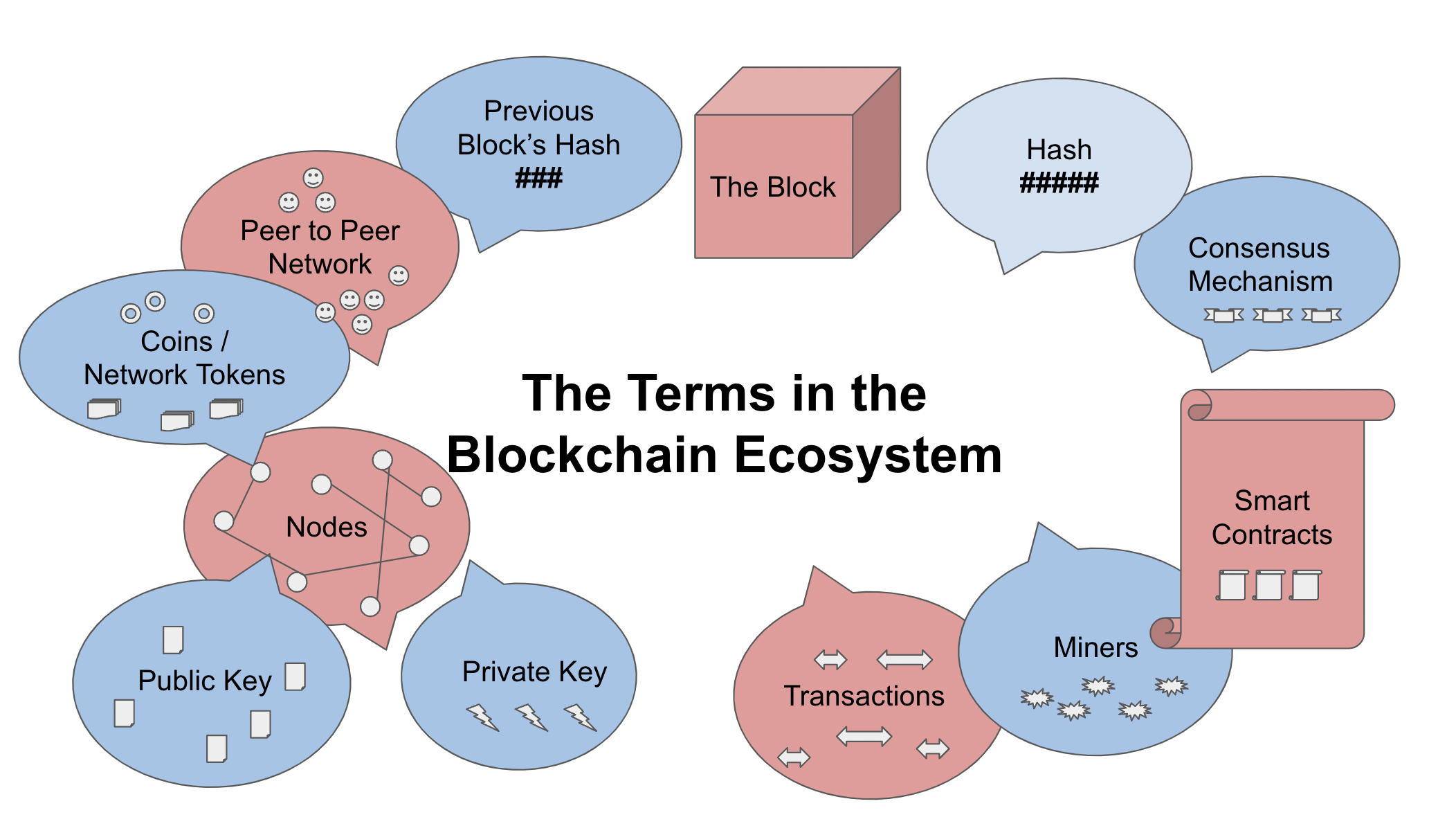
Together, these companies are crafting a blockchain ecosystem that’s secure, scalable, and integrated with existing financial systems, potentially unlocking new efficiencies in a market handling trillions annually.
How This Ecosystem Could Transform Everyday Finance
Imagine sending money overseas as quickly as texting a friend, without hefty fees or delays. That’s the promise of this $10T blockchain push. Stablecoins like USDC offer 24/7 availability and instant settlement, addressing pain points in traditional systems where transfers can take days.
The Fed’s own FedNow service, launched in 2023 for real-time payments, is evolving alongside these innovations. By incorporating blockchain, it could handle tokenized assets—digital versions of stocks, bonds, or even real estate—that trade efficiently and transparently.

AI plays a starring role too, with tools from Stripe and Google optimizing fraud detection and personalized financial services. As Cathie Wood of ARK Invest notes, this convergence could slash global transaction costs by hundreds of billions by 2030. For ordinary folks, it means cheaper remittances, faster refunds, and more inclusive banking for the unbanked.
Challenges and the Path Forward
Of course, no revolution is without hurdles. Regulatory clarity is key, with ongoing debates in Congress about stablecoin laws like the GENIUS Act, which could provide a federal framework to boost adoption while ensuring safety. Security concerns, like past crypto hacks, underscore the need for robust oversight.
Yet, the momentum is building. With stablecoin volumes soaring and partnerships deepening, this ecosystem could redefine finance, making it more accessible and efficient. As the conference unfolds today, keep an eye on announcements—they might just herald the dawn of a new financial era where blockchain isn’t fringe, but foundational.