Picture a world where sending money across borders is as quick as texting a friend, borrowing funds doesn’t require endless paperwork, and your phone handles both dollars and digital coins without a hitch. That’s the fintech revolution brewing in 2025, where blockchains like Solana, TRON, and newcomers like Digitap are battling it out to redefine everyday finance. Forget the crypto hype of yesteryear—this showdown is about practical tools that could slash fees, speed up payments, and open doors for billions underserved by traditional banks. As we dive into their strengths, we’ll see why these three are turning heads, from Solana’s turbocharged networks to Digitap’s all-in-one app magic. Whether you’re a curious saver or an aspiring investor, this clash could hint at where your money goes next.
The Rising Tide of Fintech Cryptos in 2025
Fintech cryptos are exploding because they’re solving real headaches: high remittance costs eating into family budgets, slow settlements frustrating businesses, and exclusionary systems leaving millions without accounts. By 2025, cross-border payments alone are expected to surge past $250 trillion annually, fueled by blockchain’s promise of transparency and efficiency. Solana, TRON, and Digitap stand out by blending speed, affordability, and user-friendliness, each targeting different pain points in this massive market. Solana focuses on scalable DeFi, TRON dominates stablecoin flows, and Digitap pioneers hybrid banking—making them prime contenders in a space where innovation equals opportunity.
This year, with mobile wallets projected to handle over half of global transactions, these projects aren’t just tech experiments; they’re blueprints for inclusive finance. As regulations evolve and adoption grows, understanding their edges could help anyone—from gig workers to small entrepreneurs—navigate the shift.
Solana: Turbocharging DeFi and Real-World Payments
Solana is like the express lane on a crowded highway, zipping through thousands of transactions per second while keeping costs dirt cheap—often under a cent per swap. In 2025, it’s dominating fintech with upgrades like Alpenglow, which boosts network stability for seamless internet capital markets, from tokenized stocks to instant loans. Its DEX volume is reshaping crypto banking, especially in Asia, where startups leverage low fees for high-liquidity trades.
What makes it fintech-friendly? Solana’s ecosystem supports everything from payments via Solana Pay to DeFi hubs like Jupiter, handling billions in volume without the bottlenecks plaguing older chains. With Firedancer set for late 2025, expect even more resilience, drawing institutional players and everyday users alike. For someone sending remittances or trading assets, Solana means no more waiting hours—it’s finance at the speed of life.
TRON: The Stablecoin Backbone for Everyday Global Deals
TRON might fly under the radar, but it’s the unsung hero powering trillions in stablecoin transfers, making it a fintech staple in 2025. Holding over 63% of the global stablecoin market, with USDT issuance jumping $20 billion since January, TRON excels in low-cost, high-volume payments ideal for small businesses and remittances.
Its strength lies in efficiency: Faster than banks and cheaper than competitors, TRON handles retail USDT under $1,000 with ease, revolutionizing transactions for SMEs. Even as Ethereum reclaims some ground with $80 billion in USDT, TRON’s focus on on-chain payments at unmatched scale keeps it ahead for practical use. Picture a freelancer in Asia getting paid instantly without hefty fees—TRON makes that routine, blending Layer 1 tech with stablecoin savvy for a borderless economy.
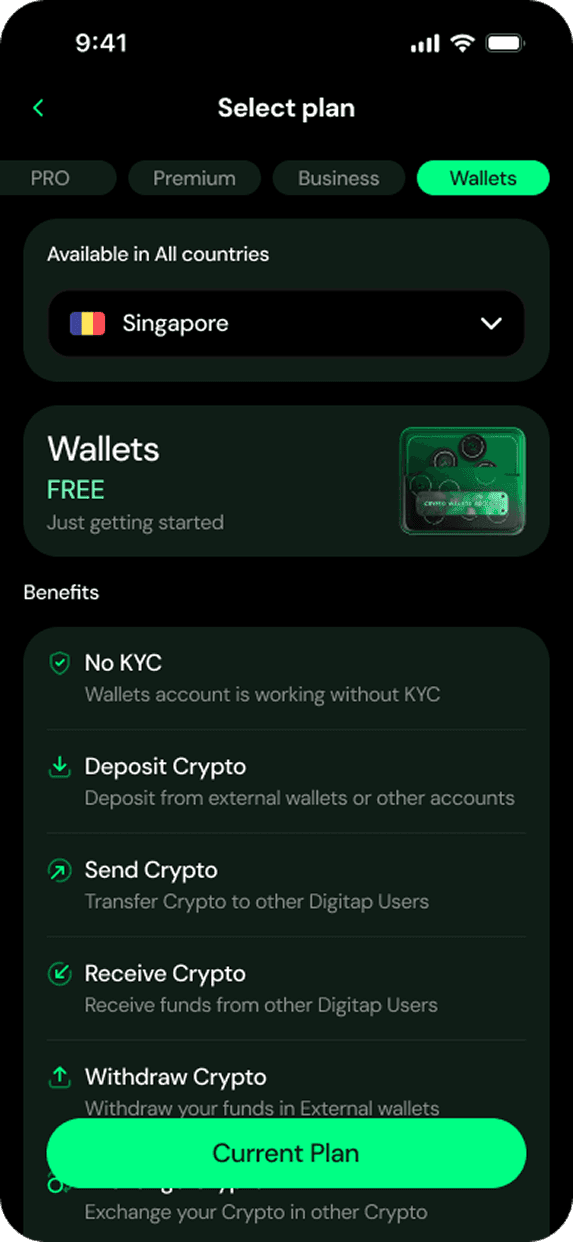
Digitap: Bridging Crypto and Fiat in One Seamless App
Digitap is the fresh disruptor, billing itself as the world’s first omni-bank where crypto and traditional money coexist in a single, tap-friendly app. Launching in 2025, it offers Visa debit cards, multi-currency IBANs, and instant swaps, targeting the 1.4 billion unbanked folks with no-KYC wallets and offshore options.
Its $TAP token fuels staking, rewards, and deflationary perks, with presales raising over $700k and projections of 50x growth to $14 by year-end. Unlike pure blockchains, Digitap’s hybrid model cuts cross-border fees by 6-7%, making it a game-changer for P2P transfers and business finance. For everyday users, it’s like having a global bank in your pocket—deposit euros, withdraw crypto, pay anywhere—potentially rivaling XRP and XLM in accessibility.
Head-to-Head: Strengths, Weaknesses, and Who Wins What
In this showdown, Solana takes the speed crown with 10,000+ TPS for DeFi-heavy users, but its occasional outages could frustrate reliability seekers. TRON edges out in stability, commanding stablecoin volumes for consistent payments, though it lacks Solana’s innovation buzz. Digitap shines in usability, merging fiat and crypto for beginners, but as a newbie, it carries higher risk until proven at scale.
| Aspect | Solana | TRON | Digitap |
|---|---|---|---|
| Core Focus | High-speed DeFi & scaling | Stablecoin payments | Omni-banking app |
| Key Metric | 10,000+ TPS, low fees | 63% stablecoin market | 50x growth potential |
| Best For | Traders & developers | Remittances & merchants | Unbanked & casual users |
| Drawback | Network hiccups | Less hype | Early-stage risks |
This comparison shows no clear winner—your choice depends on needs: Speed demons pick Solana, steady earners go TRON, simplicity fans choose Digitap.