
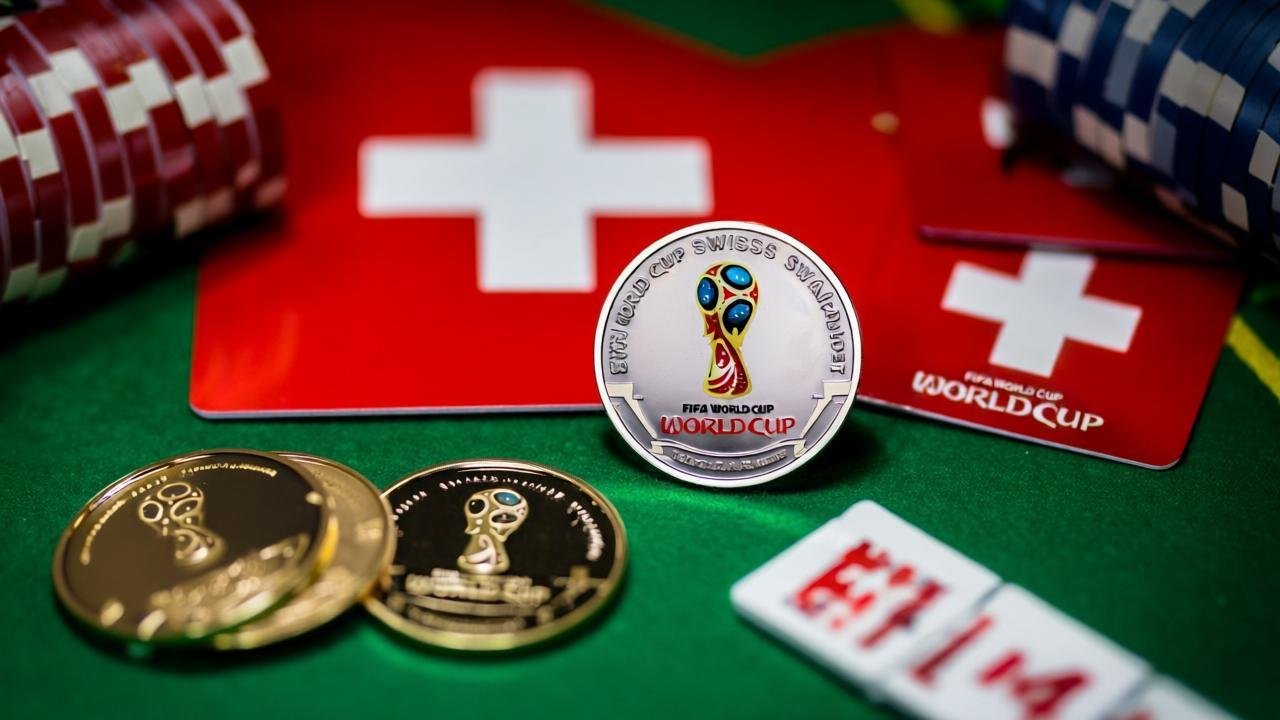
What if your dream ticket to the 2026 World Cup—snagged through a sleek blockchain app—suddenly got flagged as a high-stakes bet by regulators? That’s the unexpected twist hitting soccer fans worldwide as Switzerland’s gambling watchdog dives into FIFA’s innovative “Right-to-Buy” tokens. Launched just weeks ago, these digital passes promised priority access to the biggest show on turf, but now they’re under the microscope for potentially skirting gambling rules. As of October 7, 2025, the probe is in early stages, with no charges filed, yet it’s sparking debates on where fan excitement ends and risky wagering begins. Join us as we kick off the details, from the token tech to the turf war with authorities, helping you navigate if this clouds your match-day plans.
The Probe Unfolds: GESPA’s First Whistle on FIFA’s Tokens
Switzerland’s Gambling Supervision Authority (GESPA) isn’t one to sit on the sidelines. On October 6, 2025, they announced a preliminary review into FIFA’s blockchain-based ticketing system, zeroing in on whether the “Right-to-Buy” (RTB) tokens cross into illegal gambling territory. At stake? Tokens sold for up to $999 each, granting holders first dibs on World Cup tickets via a lottery-style draw—elements that GESPA worries mimic betting pools or speculative lotteries under Swiss law.
This isn’t a full-blown raid; it’s a fact-finding mission to assess compliance before the 2026 tournament in the U.S., Canada, and Mexico. Early sales reportedly topped $15 million, drawing in eager fans from over 200 countries who saw these NFTs as a smart, secure way to lock in seats. For the average supporter, it’s a wake-up call: That blockchain buzz could hit regulatory snags, delaying or derailing your ticket hunt.
Inside FIFA’s Blockchain Bet: How the Tokens Work
FIFA’s push into Web3 started with good intentions: Ditch the ticket scalpers and fraud by putting everything on the blockchain. The RTB tokens, minted on the Polygon network, act like golden tickets—buy one, and you’re entered into phased lotteries for match access, plus perks like VIP experiences. No more refreshing Ticketmaster at midnight; instead, scan your digital wallet for seamless entry.
But here’s the rub: These aren’t just collectibles. Holders can resell them on secondary markets, potentially flipping a $550 token for double if demand spikes—echoing the speculative thrill of crypto trades or sports betting slips. GESPA’s lens? Swiss rules ban unlicensed games of chance where outcomes hinge on luck, and the token’s lottery mechanic fits that bill a bit too snugly. Fans who’ve already invested might feel the pinch if resales get restricted, turning a savvy purchase into a sidelined asset.
Token Breakdown: From Mint to Match Day
- Pricing Tiers: $550 for three matches, up to $999 for premium packages—affordable for die-hards but a chunk of change for casuals.
- Blockchain Perks: Immutable ownership via NFTs means no fakes, with smart contracts handling draws automatically.
- Global Reach: Over 1 million tokens sold in the first wave, but resale volatility has some holders sweating.
This tech-forward approach aimed to modernize fandom, yet it’s now testing the boundaries of tradition-meets-innovation.
Broader Implications: Fans, FIFA, and the Future of Sports Tech
If GESPA’s review escalates, it could ripple far beyond Zurich. FIFA, headquartered in Switzerland, might face fines or forced redesigns, echoing past scandals like the 2015 corruption probe that shook the federation. For everyday fans, the uncertainty stings: Will your token still hold value? Can you transfer it hassle-free? And what about the millions eyeing the 104-match extravaganza?
On the flip side, this scrutiny spotlights blockchain’s double-edged sword in sports. Proponents argue tokens cut out middlemen, saving fans 20-30% on fees compared to traditional sales. Yet critics, including consumer watchdogs, warn of “gamblification”—turning excitement into exploitation, especially for younger or impulsive buyers. As one legal expert noted, “This could set precedents for how NFTs blend with real-world assets, from concerts to championships.”
Playbook: Defending the Digital Draw
FIFA isn’t tackling this solo. They’ve partnered with firms like Modex for the tech backbone, emphasizing that RTB tokens are “access rights,” not bets—more like a reservation system with a fun twist. In a statement, the organization called the review “routine” and reaffirmed their commitment to fair play, hinting at tweaks like clearer resale caps if needed.
Fans on social media are split: Some cheer the probe as protection against hype-driven scams, while others decry it as stifling progress. As the investigation unfolds—expected to wrap in weeks—FIFA’s next moves could redefine how global events harness crypto without crossing red lines.
What Fans Should Do Next
- Check Your Holdings: Log into your wallet to verify token status; resale platforms like OpenSea are monitoring updates.
- Stay Informed: Follow FIFA’s official channels for announcements—delays could hit Phase 2 sales.
- Diversify Dreams: Eye backup options like official lotteries to hedge against hitches.
Final Whistle: A Cautionary Kick for Crypto in Sports
This Swiss spotlight on FIFA’s tokens isn’t just regulatory red tape—it’s a pivotal moment for blending blockchain with the beautiful game. What starts as a probe into potential gambling vibes could evolve into guidelines that make digital ticketing safer and smarter for all. For the passionate supporter saving for that once-in-a-lifetime roar from the stands, it’s a reminder: Innovation scores big, but compliance keeps the game going. Will FIFA dodge the yellow card, or is a redesign in the cards? As 2026 approaches, one thing’s clear—the world’s biggest tournament is playing for more than just the trophy. What’s your take: Game-changer or gamble gone wrong?