Introduction: A Digital Drama Unfolds
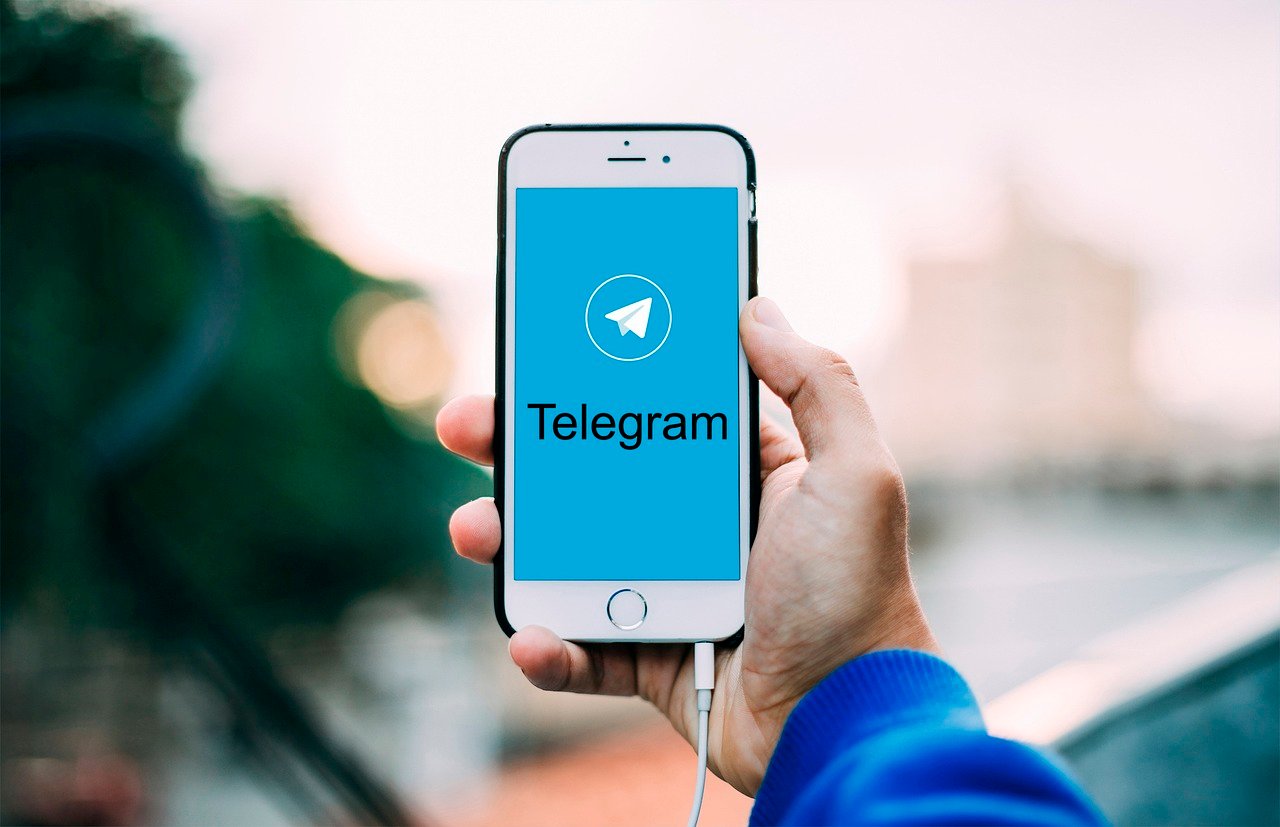
Imagine a world where your favorite messaging app becomes a battleground for international politics. That’s exactly what’s happening with Telegram, as its CEO, Pavel Durov, accuses France of meddling in Moldova’s political landscape by targeting Telegram channels. This bold claim has sparked global interest, raising questions about digital freedom, government overreach, and the power of tech platforms in shaping democracy. Let’s dive into this unfolding story, exploring what Durov’s allegations mean for Moldova, Telegram, and the world.
Who is Pavel Durov, and Why Does This Matter?
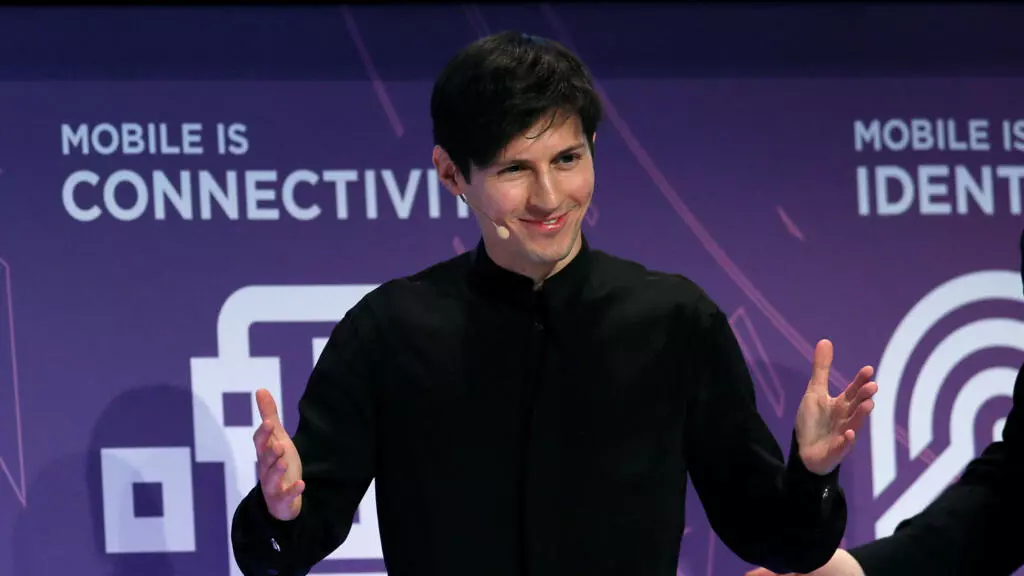
Pavel Durov, the enigmatic founder of Telegram, is no stranger to controversy. Known for his fierce defense of user privacy, Durov has built Telegram into a global platform with over 900 million users, according to Telegram’s official blog in 2024 (Source: Telegram Blog). His latest accusation—that France attempted to censor Moldovan political channels—has thrust Telegram into the spotlight once again. This isn’t just about one app; it’s about the broader fight for free speech in an increasingly digital world.
Why Moldova?
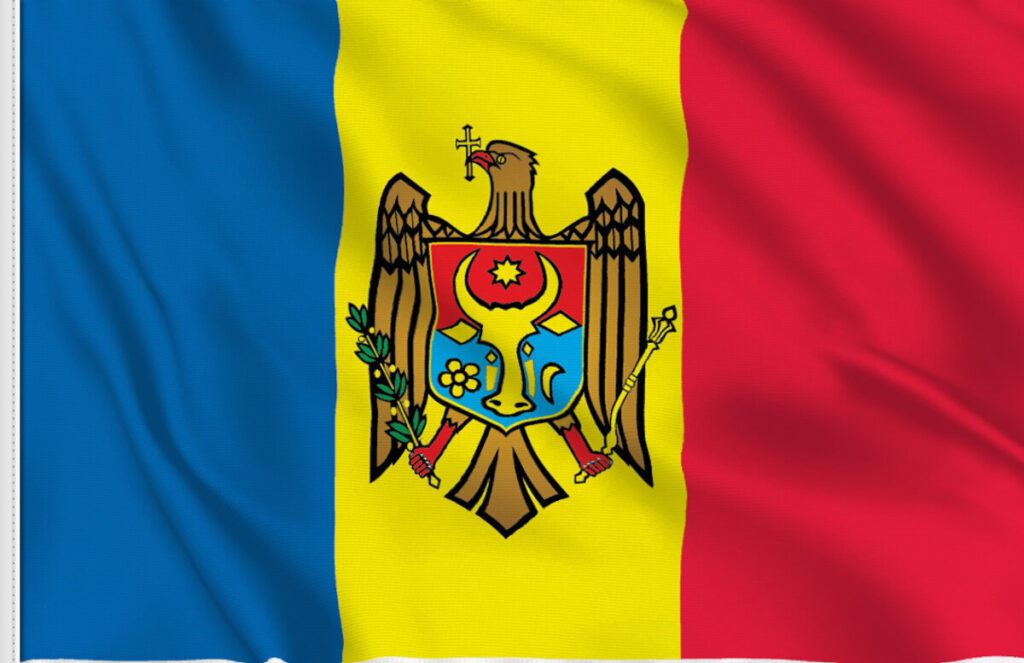
Moldova, a small Eastern European nation, is a geopolitical hotspot due to its position between Russia and the EU. Its political landscape is a tug-of-war between pro-Western and pro-Russian factions, making it a prime target for influence campaigns. Telegram channels, often used to share unfiltered political views, have become critical in shaping public opinion in Moldova. Durov’s claim suggests France may have tried to control this digital narrative, a move that could have far-reaching implications.
What Are the Allegations?
According to Durov, French authorities pressured Telegram to suppress specific Moldovan political channels that were allegedly spreading misinformation or controversial views. While details remain scarce, Durov’s statement, reported by Reuters on September 25, 2025 (Source: Reuters), suggests France’s actions were part of a broader effort to influence Moldova’s political discourse. This raises questions about whether such moves were justified to combat disinformation or if they crossed into censorship.
The Role of Telegram in Politics
Telegram’s end-to-end encryption and minimal moderation make it a haven for free expression—and a target for governments. In Moldova, Telegram channels have been used to organize protests, share political opinions, and even spread propaganda. A 2023 study by the Center for Strategic and International Studies (CSIS) noted that Telegram’s anonymity makes it a double-edged sword: it empowers activists but also enables misinformation (Source: CSIS Report). Durov’s allegations suggest France may have viewed these channels as a threat to Moldova’s stability—or to its own interests.

Why Would France Get Involved?
France’s interest in Moldova may seem surprising, but it aligns with broader EU efforts to stabilize Eastern Europe. Moldova’s 2024 presidential election and its EU membership aspirations have drawn attention from Western powers. France, a key EU player, has a vested interest in countering Russian influence in the region. However, targeting Telegram channels risks accusations of overreach, especially given France’s own laws against online misinformation, such as the 2018 “fake news” law (Source: BBC News).
The Censorship Debate
Durov’s claims fuel an ongoing debate about censorship versus regulation. Governments argue that curbing harmful content is necessary to protect democracy, while critics like Durov see it as an attack on free speech. In Moldova’s case, the line is blurry: were these channels spreading dangerous misinformation, or were they legitimate voices silenced for political reasons? Without transparent evidence, Durov’s allegations resonate with those wary of government overreach.
What’s Next for Telegram and Moldova?
The fallout from Durov’s claims could be significant. For Telegram, it strengthens its image as a defender of free speech, potentially attracting more users but also more scrutiny. For Moldova, it highlights the fragility of its digital public square, where foreign powers may wield influence. The EU, including France, may face pressure to clarify its actions, while Moldova’s citizens grapple with trusting the information they see online.

The Bigger Picture
This controversy isn’t just about Moldova or Telegram—it’s about who controls the flow of information in the digital age. As platforms like Telegram grow, so do the tensions between tech companies, governments, and users. Durov’s allegations, whether fully substantiated or not, underscore the stakes: a free internet versus a regulated one. For ordinary people, it’s a reminder to question what they read and who’s shaping the narrative.
Conclusion: A Call for Transparency
Pavel Durov’s accusation that France interfered in Moldova via Telegram is a wake-up call. It’s a story of technology, power, and the fight for free expression. As the world watches, we need transparency—about what France did, why, and how it affects Moldova’s future. For now, Telegram remains a battleground, and Durov’s claims ensure this story is far from over. What do you think—should governments regulate platforms like Telegram, or is free speech worth the risks?