
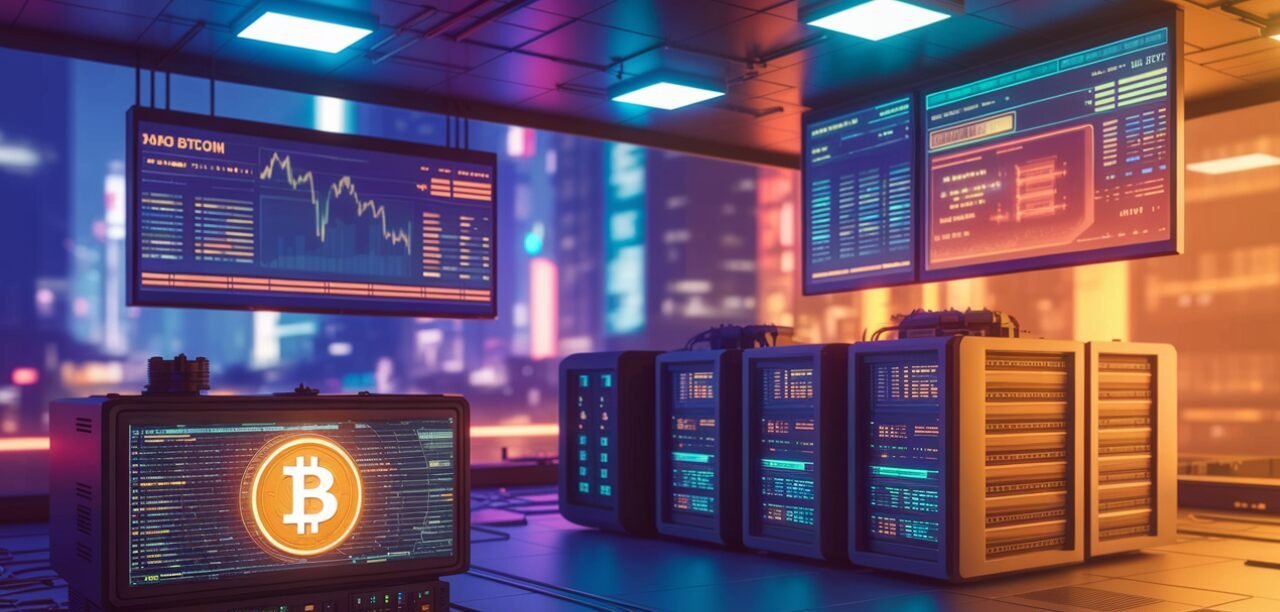
Ever dreamed of turning your spare room into a mini power plant that churns out Bitcoin while you binge-watch your favorite series? In 2025, with Bitcoin’s price dancing around $110,000 and the post-halving landscape rewarding the efficient, building a DIY mining rig isn’t just for tech wizards—it’s a hands-on hobby that could pay for itself. Forget cookie-cutter cloud services; crafting your own setup lets you tweak for peak performance, learn the ropes of proof-of-work, and maybe even join the ranks of home miners netting steady sats. Whether you’re a garage tinkerer or a crypto newbie with a screwdriver, this guide walks you through it all, from picking parts to firing up your first hash. Let’s roll up our sleeves and dig in.
Why Go DIY for Bitcoin Mining in 2025? The Homebrew Edge
The Bitcoin network’s hash rate has skyrocketed to over 700 EH/s this year, making solo mining tougher than ever, but savvy home setups still shine for their customization and lower entry barriers. Post the 2024 halving, block rewards halved to 3.125 BTC, shifting focus to energy hogs—er, efficient machines—that squeeze more hashes per watt. Building your own means dodging markups on pre-fab rigs, scaling as you go, and gaining that satisfying glow of self-reliance. Plus, with electricity costs averaging $0.12/kWh in the U.S., a well-tuned rig can break even in under a year if Bitcoin holds steady. It’s not about striking it rich overnight; it’s the thrill of contributing to the blockchain while your rig hums like a loyal sidekick.
For the everyday builder, this approach democratizes mining—turning what was once industrial-scale into a weekend project that educates and potentially earns. As global adoption climbs, with over 1 billion crypto wallets projected by year’s end, your rig could be part of that decentralized heartbeat.

This snapshot of a tidy home rig setup shows how approachable it can be—think of it as Lego for grown-ups, minus the tiny pieces that get lost in the carpet.
Picking Your Parts: The Building Blocks of a Solid Rig
Assembling a Bitcoin mining rig boils down to selecting components that balance power, efficiency, and your budget. Unlike GPU farms for altcoins, Bitcoin demands ASICs—specialized chips laser-focused on SHA-256 hashing. Aim for a starter rig with 1-6 units for manageability; total cost hovers around $2,000-$5,000, depending on scale. Key is harmony: Your power supply must match the miners’ thirst, and cooling keeps things from melting down like a bad rom-com.
The Powerhouse: Choosing Your ASIC Miner
Go for proven performers like the Bitmain Antminer S21 Pro (200 TH/s at 3,500W) or the more home-friendly Canaan Avalon Nano 3 (4 TH/s per unit at 130W). For a budget build, snag six Nanos for a combined 24 TH/s—perfect for dipping toes without drowning in bills. These bad boys are the rig’s engine, converting electricity into guesses at the next block. Efficiency is king; the S21’s 17.5 J/TH rating means less waste, aligning with 2025’s green mining push where renewables power 60% of operations.
Supporting Cast: PSU, Frame, and Cooling Essentials
Pair your ASICs with a beefy power supply unit (PSU)—an 80+ Gold-rated 1,600W model like the Corsair RM1600x handles multiple units without flinching. For the skeleton, grab an open-air mining frame from Amazon (around $50) to mount everything securely. Don’t skimp on cooling: High-CFM fans or even a basic immersion loop prevent thermal throttling, keeping hashes flowing smooth. Add a simple riser board if stacking units, ensuring stable connections without signal loss.
Pro tip: Source from reputable spots like CryptoMinerBros to avoid fakes—authenticity checks out with serial scans via the manufacturer’s app.

Budget Breakdown: What’s It Gonna Cost Ya?
- ASIC Miners: $1,200 (six Canaan Avalon Nano 3s)
- PSU and Frame: $250
- Cooling and Cables: $150
- Misc (Ethernet, tools): $100
- Total: ~$1,700
This keeps it under two grand, leaving room for that victory pizza.
Assembly Time: Bolting It All Together Like a Pro
With parts in hand, building feels more like puzzle-solving than rocket science. Clear a ventilated workspace—your garage or basement works wonders—and let’s sequence it out. Safety first: Unplug everything, wear an anti-static wristband, and double-check connections to avoid sparks.
- Mount the Frame: Assemble the open-air rack per instructions; it’s like IKEA but sturdier. Slot in your PSU at the base for easy access.
- Install ASICs: Secure each miner horizontally, spacing them for airflow. Connect power cables from PSU to each unit—use 16-gauge for heavy loads.
- Wire the Network: Plug Ethernet cables into a switch, linking all miners. This daisy-chain setup ensures they sync without Wi-Fi woes.
- Add Cooling: Zip-tie fans to exhaust hot air; aim for 60-70°C temps to sweet-spot efficiency.
- Test Dry Run: Power on sans software—fans should whirl, lights blink. If not, retrace cables like a detective.
Clock in under two hours for a newbie; it’s meditative, like assembling a model train set that actually prints money.
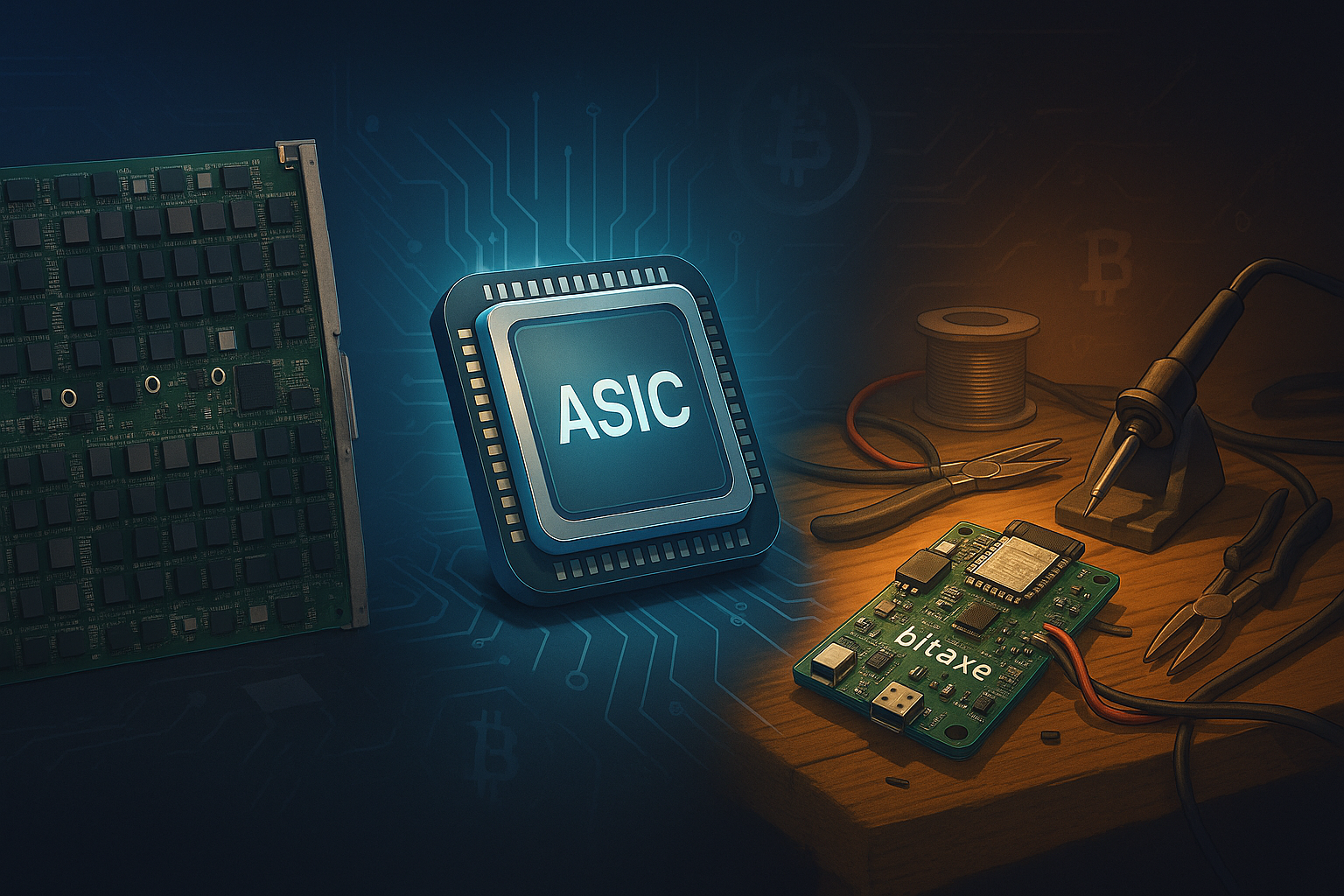
Here’s a close-up on the wiring dance—neat ties and labels turn chaos into a symphony of silicon.
Firing It Up: Software Setup and Pool Joining
Hardware humming? Time to teach it tricks. Download the miner’s firmware from the manufacturer’s site—Bitmain’s Braiins OS is a free, open-source gem that boosts efficiency by 25%. Flash via USB, then configure via web interface: Set your wallet address for payouts and join a pool like F2Pool or Slush Pool for steady shares over solo longshots.
Software stack: Hive OS for monitoring multiple rigs remotely—it’s like a dashboard for your digital gold rush. Input your electricity rate into a calculator like CoinWarz to track real-time profitability; at current difficulty, expect 0.0005 BTC monthly from a 24 TH/s setup. Tweak overclocking cautiously—gains of 10-15% hash rate, but watch the heat.
Troubleshooting Common Hiccups
Overheating? Ramp up fans. Low output? Check pool sync. Most fixes are Google-away, but forums like BitcoinTalk are goldmines for peer wisdom.
Crunching Costs: Realistic ROI for Your Rig
Numbers don’t lie, but they do fluctuate. For our $1,700 build drawing 780W, monthly electric runs $70 at $0.10/kWh. Daily revenue? Around $1.50 in BTC at today’s rates, yielding $45 monthly—ROI in about 38 months, faster if prices climb. Scale to six S21s? Break even in eight months, per Hashrate Index models, assuming $0.08/kWh and stable difficulty.
Factor in maintenance (fans every six months) and halvings ahead, but 2025’s edge goes to efficient, home-scale ops dodging industrial overheads. Tools like NiceHash’s calculator let you simulate scenarios—plug in your zip code for hyper-local truths.
Your Rig, Your Rules: Wrapping Up the Build Adventure
From unboxing to uptime, this DIY Bitcoin mining rig isn’t just hardware—it’s a ticket to the network’s underbelly, where curiosity meets computation. In 2025’s maturing market, your garage forge could spark not just sats, but a deeper crypto savvy. Start small, iterate boldly, and remember: Every block solved started as someone’s wild idea. Now, grab those tools—your blockchain legacy awaits.