
Envision a bustling trading floor where the hum of high-stakes deals meets the quiet efficiency of digital dollars that never fluctuate. On September 23, 2025, the U.S. Commodity Futures Trading Commission (CFTC) flipped the switch on a game-changing initiative, greenlighting stablecoins as collateral for derivatives trades. With the stablecoin market swelling to nearly $300 billion, this move isn’t just regulatory fine-tuning—it’s a bold stride toward fusing traditional finance with blockchain’s speed and security. For the average investor watching from the sidelines, it means more fluid markets, potentially lower costs, and a clearer path to dipping into crypto without the wild rides. Buckle up as we unpack how this shift could ripple through your portfolio and beyond.
Decoding the CFTC’s Big Leap: What Sparked This Stablecoin Surge?
The CFTC, the watchdog over America’s $20 trillion derivatives arena—from oil futures to interest rate swaps—has long eyed crypto’s potential. Acting Chair Caroline D. Pham kicked off the “Tokenized Collateral and Stablecoins Initiative” to test how digital assets like USDC or USDT could underpin these complex contracts. It’s an evolution from a February 2025 pilot with firms like Circle and Coinbase, now opening doors wider for public input until October 20. At its core, this isn’t about flashy tokens; it’s about practicality—using stable, dollar-pegged coins to post collateral, the safety net that keeps trades from unraveling if things go south.
Why now? Derivatives markets crave efficiency. Traditional collateral—think Treasury bonds or cash—often sits idle, tied up in paperwork and delays. Stablecoins, tokenized versions of steady value, promise 24/7 transfers and smart contract automation, slashing those bottlenecks. Pham called it a “killer app” for stablecoins, echoing a 2024 advisory committee’s push for innovation amid rising crypto adoption. For everyday folks, picture it like upgrading from a clunky old truck to an electric vehicle: Same job, but smoother and greener for the wallet.

This vibrant graphic from recent discussions captures the flow: Stablecoins as the lifeblood, injecting vitality into rigid trading systems.
Stablecoins 101: The Steady Stars of a Volatile Sky
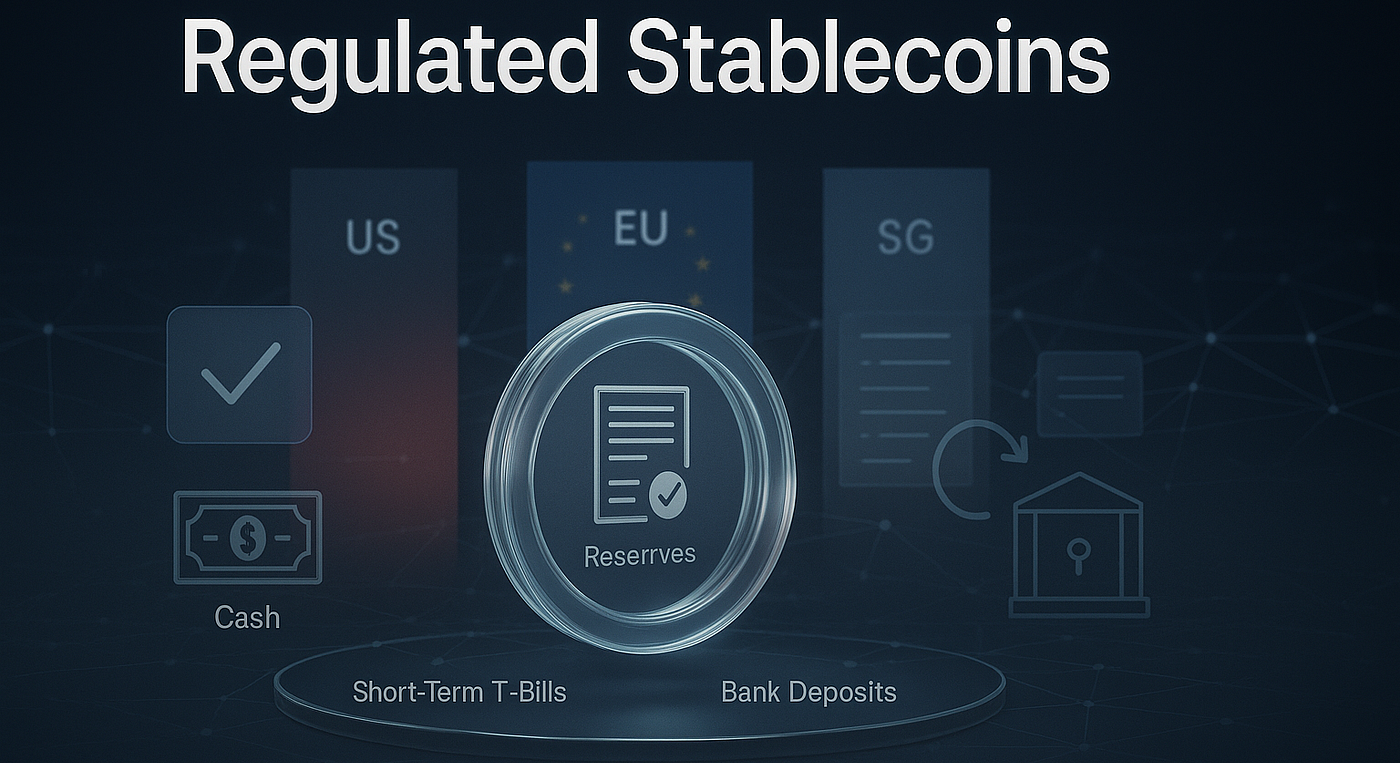
If derivatives sound like Wall Street wizardry, stablecoins are the approachable sidekick. These digital currencies, pegged 1:1 to the U.S. dollar and backed by reserves like cash or bonds, hold firm against Bitcoin’s rollercoasters. Giants like Tether’s USDT and Circle’s USDC dominate, with the sector hitting $300 billion in circulation by mid-September 2025—a 50% jump from last year, fueled by global payments and DeFi growth.
The magic? They’re programmable. In derivatives, where traders bet on everything from commodity prices to currency swings, collateral ensures payouts if bets flop. Swapping in stablecoins means instant verification on blockchains, cutting settlement times from days to minutes. A Chainalysis report underscores this: Tokenized assets could unlock $10 trillion in illiquid holdings worldwide by 2030, starting with stablecoins as the low-hanging fruit. It’s like handing traders a Swiss Army knife instead of a single tool—versatile and always ready.
From Niche to Necessity: The $300 Billion Unlock
Here’s the headline hook: That $300 billion stablecoin pool? The CFTC’s nod positions it as prime collateral, potentially channeling billions into derivatives backing. Imagine freeing up cash that’s been parked safely; now it fuels trades, amplifying market liquidity without added risk. Early estimates suggest this could inject $50-100 billion in fresh efficiency gains annually, per industry analysts, as tokenized collateral reduces default exposures in volatile times.
For non-experts, it’s akin to community banks pooling savings to back bigger loans—everyone benefits from the broader economic pulse.

The Ripple Effects: Wins for Traders, Institutions, and You
This initiative doesn’t just thrill quants; it democratizes access. Smaller traders, bogged down by high collateral demands, could now use fractional stablecoins for entry. Institutions like hedge funds stand to save millions in custody fees, while global markets gain from round-the-clock operations—crucial as Asia’s trading hours overlap less with New York’s.
Take risk management: Smart contracts auto-adjust collateral if values dip, a feature traditional systems envy. The President’s Working Group on stablecoins, in its 2025 update, praised such tech for fortifying against crises like 2022’s crypto winters. Yet, it’s balanced— the CFTC invites feedback on safeguards, ensuring stablecoins meet strict reserve audits to avoid past pitfalls like Tether’s transparency tussles.
Spotlight on Safeguards: Keeping the Innovation Grounded
Not all sunshine: Critics worry about over-reliance on private issuers. The initiative mandates pilots with real-time monitoring, drawing from the GENIUS Act’s stablecoin framework passed earlier this year. This law, the first U.S. crypto-specific statute, sets redemption rights and oversight, blending innovation with ironclad rules. It’s a reminder that breakthroughs thrive on trust, much like a sturdy bridge over choppy waters.

Visualize the build: Each stablecoin block adds height, turning potential into powerhouse trades.
Gazing Forward: A Tokenized Tomorrow in Sight
As feedback rolls in, this CFTC pivot signals crypto’s maturation—from fringe experiment to financial bedrock. With $300 billion in stablecoins now eyeing derivatives duty, expect pilots by Q1 2026, potentially sparking a tokenized asset boom. For the curious observer, it’s an invitation: Stablecoins aren’t just for hodlers anymore; they’re the quiet force reshaping how money moves.
In this blend of old guards and new guards, one truth shines: When regulators and innovators align, the market doesn’t just grow—it evolves. Keep tabs on those comment periods; your voice could shape the next chapter in this $300 billion story.