
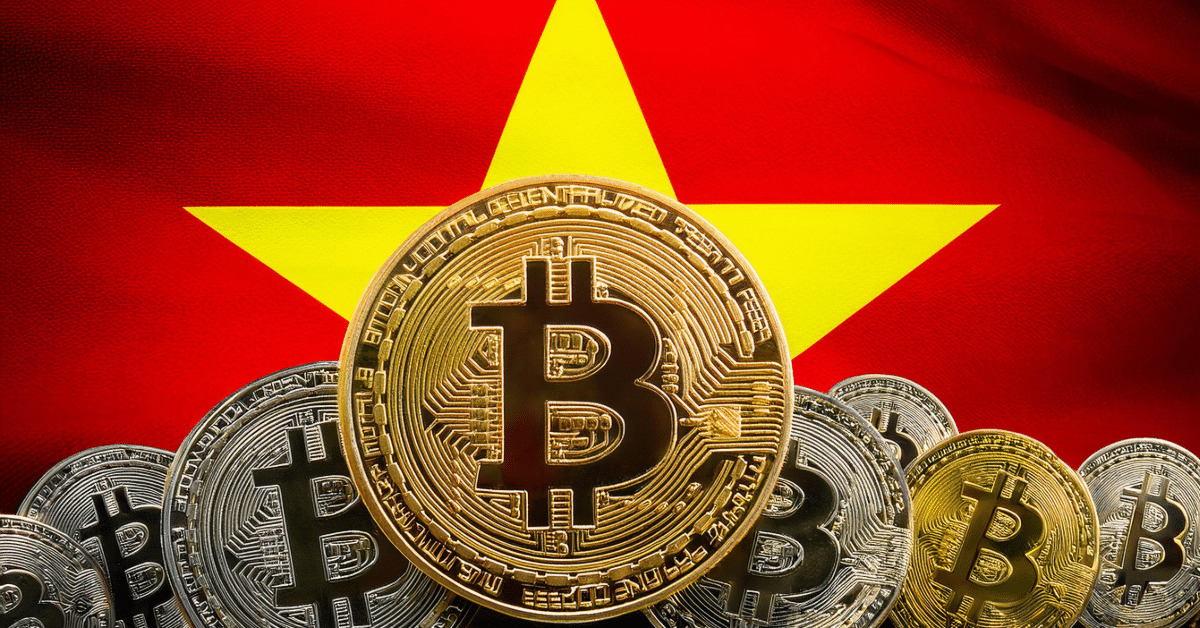
Ever wondered if your side hustle in crypto could finally get the green light in a country like Vietnam, where tech savvy meets rapid economic growth? On June 16, 2025, Vietnam’s National Assembly flipped the script by passing the Law on Digital Technology Industry, a groundbreaking move that officially recognizes cryptocurrencies and digital assets starting January 1, 2026. This isn’t just paperwork—it’s a doorway for everyday folks, from Hanoi street vendors to Saigon startups, to dive into blockchain without the old gray-zone fears. We’ll explore what this means, how it changes the game, and why it’s buzzing in Southeast Asia’s digital scene.
Breaking Down the New Law
At its core, this law shifts Vietnam from crypto caution to calculated embrace. For years, the government issued warnings and bans on crypto payments, but now it’s building a regulated playground. The framework covers everything from token types to AI integration, aiming to boost innovation while keeping things safe. Think of it as Vietnam’s playbook for joining the global digital economy, where assets like Bitcoin or NFTs aren’t taboo anymore.

A report from CoinDesk details how the law establishes guidelines for managing digital assets, fostering blockchain development without the Wild West chaos of unregulated markets.
Key Definitions: What Counts as a Digital Asset?
No more guessing games—the law spells it out clearly. Digital assets are grouped into categories like payment tokens (think stablecoins for everyday buys), security tokens (like digital shares in a company), utility tokens (for accessing services on a platform), and mixed tokens that blend features. This clarity helps regular people understand what they’re dealing with, whether it’s trading Ethereum or investing in a tokenized real estate fund.
For instance, if you’re a freelancer eyeing crypto payments, payment tokens could soon be your ally, as long as they comply with anti-money laundering rules. The Hong Kong Trade Development Council breaks it down further, noting how these definitions align with international standards to attract foreign investment.
How This Affects Everyday Vietnamese and Global Investors
Picture a young entrepreneur in Da Nang launching a blockchain app without legal headaches—that’s the promise here. For locals, it means safer ways to invest, remit money, or even crowdfund ideas using tokens. Businesses get a boost too, with easier access to capital and tech tools. Globally, investors are eyeing Vietnam’s 100-million-strong population as a hot spot, potentially drawing billions in crypto inflows.

Experts at Vietnam Law Magazine emphasize that this shift from a “gray area” to formal recognition could spark a boom in startups, making digital assets a tool for economic inclusion.
Opportunities for Innovation and Growth
Beyond basics, the law ties into Vietnam’s National Blockchain Strategy, approved back in 2023 with eyes on 2030. It encourages AI and blockchain mashups, like smart contracts for supply chains in Vietnam’s export-heavy economy. For the average person, this could mean cheaper remittances—cutting fees from 7% on traditional wires to near-zero on blockchain. Plus, a five-year crypto trading trial, announced September 9, 2025, lets select platforms test the waters under government watch.
Bloomberg reports this trial as a smart step to gather data before full rollout, potentially positioning Vietnam as Asia’s next crypto hub.
Timeline: When Does This Kick In?
Mark your calendars: The law activates on January 1, 2026, giving a grace period for tweaks. In the meantime, the State Bank of Vietnam and ministries are drafting detailed rules on licensing, taxes, and security. Expect pilot programs rolling out soon, with full enforcement by mid-2026. This phased approach avoids shocks, letting people adapt gradually.

Potential Hurdles: Not All Smooth Sailing
While exciting, challenges lurk. Cybersecurity risks top the list—hacks could erode trust in nascent markets. Then there’s the learning curve; many Vietnamese might need education on safe crypto use. Regulatory gaps, like unclear taxes on gains, could snag early adopters. Experts warn that without robust enforcement, scams might persist.
A piece from VietnamPlus stresses the urgency for these mechanisms to protect users and enable startup funding.
Vietnam in the Global Crypto Arena
This move puts Vietnam alongside neighbors like Thailand and Singapore, who’ve already regulated crypto. It’s a nod to ASEAN’s digital push, potentially easing cross-border trades. For international players, it opens doors—imagine U.S. firms partnering with Vietnamese exchanges. Yet, Vietnam’s approach is unique: focused on tech sovereignty, not just profits.
Lightspark’s analysis highlights how this aligns with global trends, where 80% of countries are exploring crypto regs by 2025.
Wrapping Up: A Step Toward a Digital Future
Vietnam’s new crypto framework isn’t just legalese—it’s a bridge to opportunity for millions. By legalizing digital assets, the country is betting on innovation to fuel growth, making blockchain as commonplace as pho noodles. If you’re intrigued, start with basics: research wallets, follow official updates, and invest wisely. This could be your cue to explore crypto’s potential in one of Asia’s rising stars. What’s your take—ready to join the digital wave?