
What if sending money across borders cost next to nothing, outpacing even the fastest blockchains? That’s the bold vision Tron is chasing with its latest fee overhaul, slashing costs dramatically to lure users from giants like Ethereum and Solana. As crypto evolves, this could spark a fee war that benefits everyday folks dipping into DeFi or stablecoins—let’s unpack how Tron is shaking things up.
Tron’s Big Fee Cut: The Details Unveiled
On August 29, 2025, Tron’s Super Representatives—a group of elected network guardians—voted unanimously to drop transaction fees by a whopping 60%. This isn’t a minor tweak; it lowers the cost of “energy units,” the fuel for smart contracts and transfers on the Tron network, from 210 sun to just 84 sun per unit. For context, one sun is a tiny fraction of Tron’s native token, TRX, making everyday transactions dirt cheap.
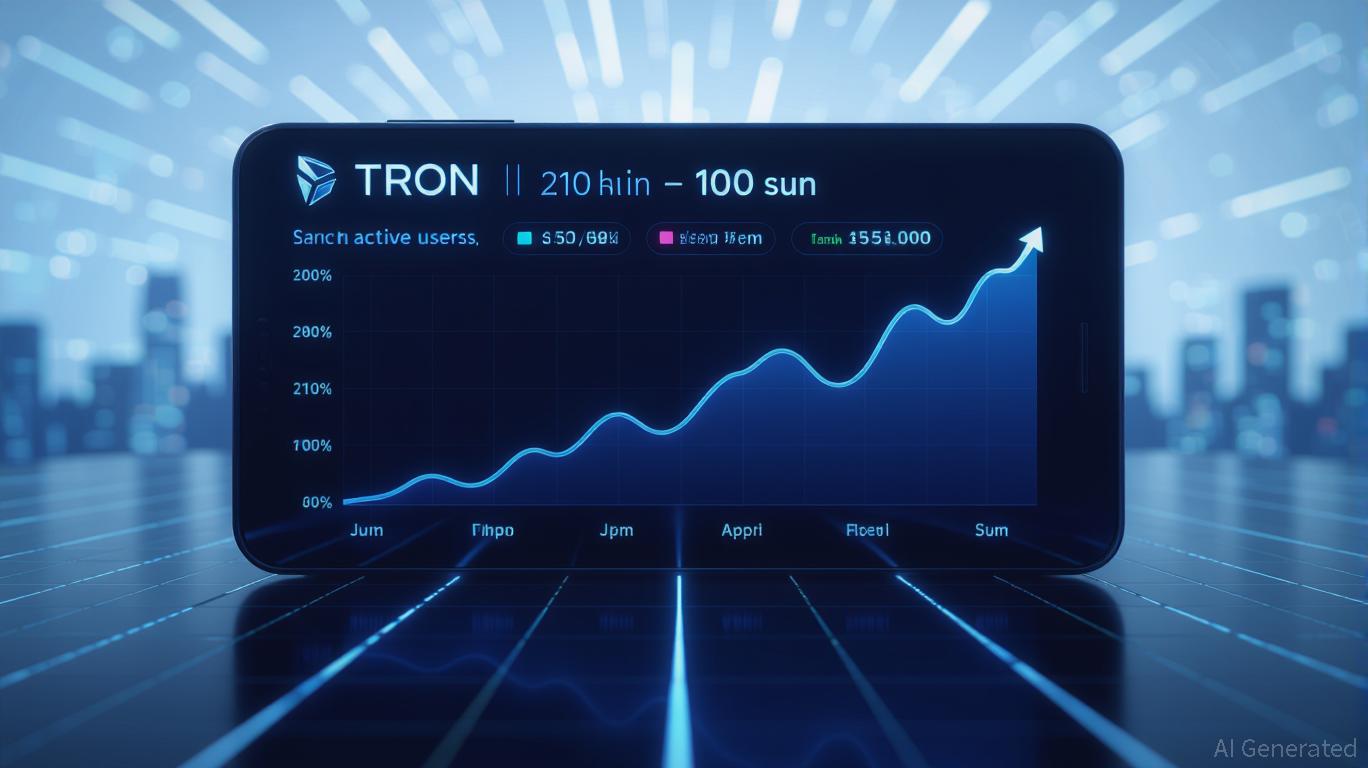
This move, effective immediately, positions Tron as a low-cost haven for high-volume activities like stablecoin transfers. According to the official announcement, it’s designed to handle more traffic without hiking prices, drawing from lessons in network scalability. With USDT (Tether) dominating on Tron—holding over half the supply—this fee slash could supercharge its role in global remittances.
Why Tron Is Making This Aggressive Play Now
Timing is everything in crypto, and Tron’s decision comes amid surging competition. Ethereum’s fees, while improved post-Dencun upgrade, still average $0.58 to $2.47 per swap, depending on congestion. Solana, known for speed, clocks in at about $0.00025, but Tron aims to undercut both with averages dropping to $0.00001 or less. Justin Sun, Tron’s founder, backed the proposal, arguing it will “benefit users directly” by making the network more accessible in emerging markets.

The vote risks short-term revenue—potentially $28 million annually—but bets on long-term growth through increased activity. Crypto analysts point out that similar fee reductions in the past have boosted user adoption by 30-50% in competing chains, per data from platforms like Dune Analytics. For Tron, which already processes billions in daily volume, this is a calculated gamble to defend its stablecoin throne.
How Everyday Users and Traders Stand to Gain
Imagine transferring $100 in USDT without paying more than a penny—that’s the new reality for Tron users. This fee cut makes microtransactions viable, from tipping creators to settling small debts, areas where Ethereum’s gas fees often bite. Traders on Tron’s DEXes, like SunSwap, will see lower slippage and costs, encouraging more frequent trades without the wallet drain.

For global users in regions like Southeast Asia or Latin America, where Tron is popular for remittances, this means cheaper cross-border payments. A report from Chainalysis highlights how low-fee networks like Tron already handle 40% of Asia’s crypto transactions, and this slash could push that higher. No more waiting for Ethereum’s off-peak hours or Solana’s occasional outages—Tron’s reliability gets a cost edge.
Stacking Up Against Ethereum and Solana: A Fee Face-Off
Let’s break it down simply: Ethereum excels in security and DeFi depth but struggles with fees during bull runs. Solana shines in speed and NFTs, yet its low costs come with scalability hiccups. Tron? It’s carving a niche in stablecoins and entertainment, now with fees 60% lower to widen the gap.
| Blockchain | Average Fee per Transaction | Key Strength |
|---|---|---|
| Tron (Post-Cut) | $0.00001 | Stablecoin dominance |
| Ethereum | $0.58–$2.47 | DeFi ecosystem |
| Solana | $0.00025 | High throughput |
This table, drawn from recent CoinMetrics data, shows Tron’s edge in pure affordability. While Ethereum pushes layer-2 solutions to cut costs, and Solana optimizes for speed, Tron’s move could siphon users seeking no-frills efficiency, especially for USDT holders.
Potential Ripples: TRX Price and Ecosystem Growth
Will this fuel a TRX rally? The token has already doubled since early 2024, trading around $0.15, and analysts predict a push toward $0.37 if adoption spikes. Quarterly fee reviews—based on TRX price, network activity, and growth—ensure adjustments, keeping things balanced without overcommitting.

Influencers on X are buzzing, with posts noting how this positions Tron against BNB Chain too. For developers, cheaper deployments mean more dApps, from games to lending protocols. Risks exist—like reduced incentives for validators—but the community sees it as a step toward mass adoption.
Wrapping Up: A Smarter Path in the Crypto Race
Tron’s 60% fee slash isn’t just a discount—it’s a strategic jab at Ethereum and Solana, aiming to win the war for everyday crypto users. Whether you’re a trader, remitter, or curious newbie, this could make blockchain feel more like pocket change than a premium service. Keep an eye on Tron; in a world of evolving tech, moves like this remind us that affordability often wins the crowd. What’s next in this fee frenzy—your thoughts?