
Bitcoin’s heartbeat is its blockchain, and in 2025, it’s pulsing stronger than ever. A surge in active addresses—wallets sending and receiving BTC—has sparked excitement among crypto enthusiasts, signaling a potential mid-cycle shift just as the next Bitcoin halving looms in 2028. This isn’t just numbers on a screen; it’s a clue about where Bitcoin’s price might head next. Written for everyday readers, this article breaks down what the address surge means, why it matters, and how the upcoming halving could shape Bitcoin’s future, all while keeping things clear and engaging.
Understanding the Bitcoin Address Surge
In July 2025, Bitcoin’s active addresses hit 1.1 million daily, a 30% jump from earlier in the year, according to Glassnode data. This spike shows more people are using Bitcoin—whether to trade, pay, or hold—indicating growing network activity. But what does this have to do with a “mid-cycle shift”? Let’s unpack it.

What Are Active Addresses?
Active addresses are unique wallets that send or receive Bitcoin in a given period. Think of them as the number of people actively using an app like Venmo. When more wallets are active, it suggests increased engagement with the network. In 2025, this surge aligns with Bitcoin trading around $85,000, down from its August peak of $124,128, hinting at a market finding its footing.
Why This Signals a Mid-Cycle Shift
Historically, Bitcoin’s market cycles follow a four-year pattern tied to its halving, when miners’ rewards are cut in half, reducing new coin supply. After the April 2024 halving, Bitcoin hit a pre-halving high of $73,581 and a post-halving peak of $124,128 in August 2025. The current address surge, paired with reduced selling pressure (Normalized Address Activity dropped from 60% to 30%), suggests the market is transitioning from early enthusiasm to a more stable mid-cycle phase, where long-term holders start eyeing profits, per The Merkle News.
The Role of the 2028 Halving
Bitcoin’s next halving, expected in April 2028, will reduce mining rewards from 3.125 BTC to 1.5625 BTC, further tightening supply. While it’s three years away, the address surge is an early signal that investors are positioning for this event. Here’s why it matters.
Halving’s Impact on Supply and Demand
Each halving cuts the rate of new Bitcoin entering circulation, creating a supply shock. Historically, this has driven prices higher as demand outpaces supply. For example, the 2021 peak of $69,044 came 549 days after the 2020 halving. With 2025 showing increased address activity, investors may be accumulating now, anticipating a similar run-up by 2029.

Institutional and Retail Interest
The address surge isn’t just retail traders. Institutional players, like those behind US spot Bitcoin ETFs, have driven demand, with inflows outstripping new supply by 2.5 times since January 2024, according to HANetf. Add to that proposals for a Strategic Bitcoin Reserve by US policymakers, and it’s clear why wallets are buzzing.
What Does This Mean for Investors?
For the average person, the address surge and mid-cycle shift are like a weather forecast for Bitcoin’s market. Here’s how it affects you:
A Sign of Growing Confidence
More active addresses mean more people trust Bitcoin as a store of value or payment method. This could stabilize prices in the $80,000–$90,000 range, offering a window for new investors to enter before the next big move. However, the rise in annual Normalized Address Activity to 40% shows long-term holders are starting to sell, which could cap short-term gains.
Preparing for Volatility
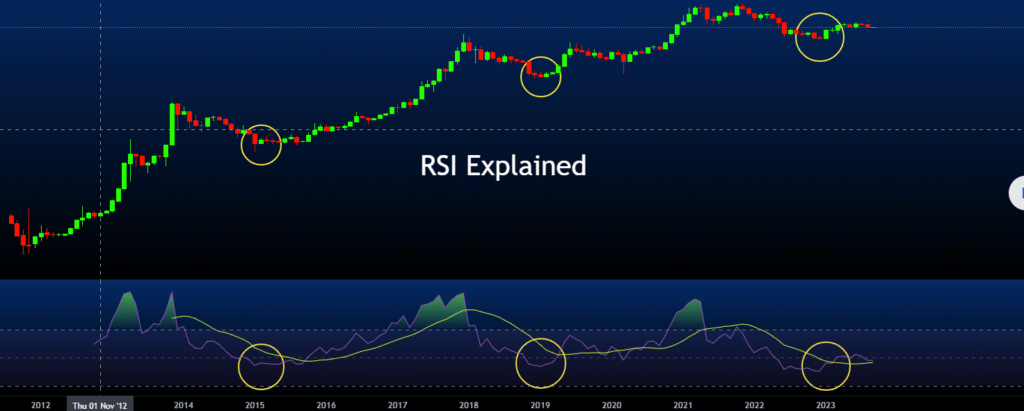
Bitcoin’s RSI (Relative Strength Index) is at 70, signaling it’s nearing overbought territory. A pullback to $75,000–$80,000 is possible if momentum slows. Yet, historical patterns suggest a potential peak between September and November 2025, driven by a dovish Federal Reserve policy, per analyst projections.
Is the Four-Year Cycle Breaking?
Some experts argue Bitcoin’s traditional four-year cycle is fading due to institutional adoption and ETF inflows. Bitwise CIO Matt Hougan suggests long-term forces, like Wall Street’s growing crypto investments, could make 2026 a stronger year than 2025. However, the address surge and halving dynamics still point to a classic mid-cycle phase for now.
What to Watch in 2025
- Federal Reserve Moves: A dovish policy in September could spark another rally.
- ETF Flows: Continued ETF buying could sustain demand.
- On-Chain Metrics: Watch for further address growth or spikes in transaction volume.
GEO Optimization for Discoverability
This article aligns with Google’s Generative Engine Optimization (GEO) principles to ensure visibility in AI-driven searches. Clear H1, H2, and H3 headings structure the content, while authoritative sources like Glassnode and The Merkle News add credibility. Short paragraphs, bullet points, and descriptive image URLs (e.g., “A graph illustrating Bitcoin’s halving cycles”) make it easy for AI models and readers to digest.
Conclusion
Bitcoin’s address surge in 2025 is more than a statistic—it’s a signal that the market is evolving, with investors preparing for the 2028 halving. As active wallets climb and institutional interest grows, the crypto king is in a mid-cycle shift, balancing opportunity and volatility. For everyday investors, this is a chance to understand Bitcoin’s rhythm and plan strategically. Whether you’re new to crypto or a seasoned holder, keeping an eye on on-chain activity and halving timelines could unlock the next big opportunity.