

Introduction: A New Player in Global Finance
The world of money is changing fast, and China’s proposed digital yuan, or e-CNY, is at the heart of the buzz. Unlike traditional cryptocurrencies like Bitcoin, this central bank digital currency (CBDC) is backed by the People’s Bank of China (PBOC), aiming to reshape how we think about global payments. With the U.S. dollar long holding the crown as the world’s dominant currency, could the e-CNY challenge its reign? This article breaks down what the digital yuan is, how it might affect the dollar, and what it means for everyday people, all in simple terms. Let’s explore this potential shift and why it’s sparking so much interest.
What Is the Digital Yuan?
Understanding China’s e-CNY
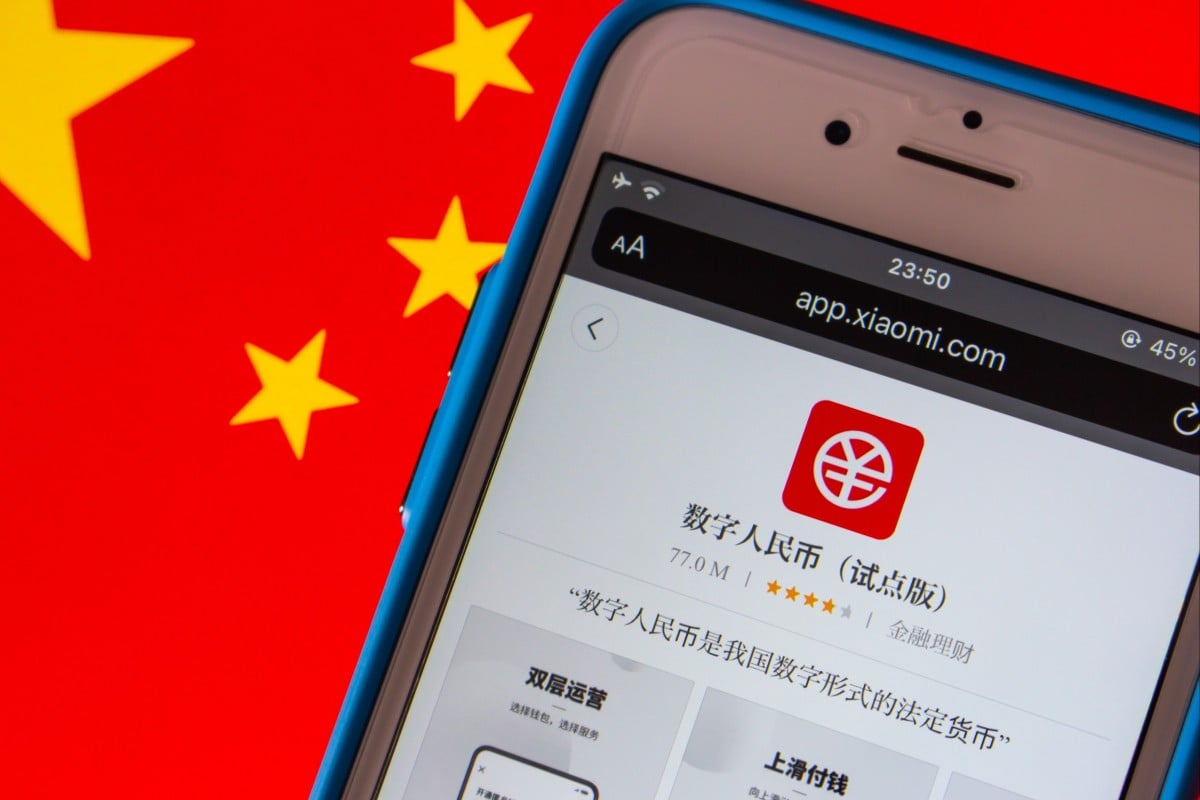
The digital yuan, also called e-CNY, is China’s version of a digital currency issued by its central bank. Unlike decentralized cryptocurrencies, the e-CNY is fully controlled by the PBOC, ensuring stability and government oversight. Launched in pilot programs across 25 cities, including Shanghai and Beijing, it’s already processed over 260 million wallets and $13.75 billion in transactions by August 2022, per the Atlantic Council. Think of it as digital cash: you can use it to pay for groceries, bills, or even taxes via a smartphone app, often without needing a bank account.
China’s goal is to modernize payments, making them faster and cheaper, especially for cross-border transactions. For example, a tourist in Hong Kong can tap their phone to pay with e-CNY, and the merchant instantly receives Hong Kong dollars. This efficiency, combined with China’s massive trade network, positions the e-CNY as a potential game-changer in global finance.
Why Is China Pushing the e-CNY?
China’s motivations are twofold: domestic control and global influence. At home, the e-CNY reduces reliance on private payment giants like Alipay and WeChat Pay, which dominate China’s cashless economy. It also allows the PBOC to track transactions, fighting fraud and money laundering. Globally, China aims to boost the yuan’s role in trade, challenging the dollar’s dominance. The Carnegie Endowment notes that the e-CNY could bypass U.S.-controlled systems like SWIFT, reducing the impact of American sanctions on countries like Russia or Iran.
Recent posts on X highlight growing excitement, with users like @Cointelegraph noting China’s push for yuan-backed stablecoins to rival dollar-based ones like USDT. This ambition, paired with projects like mBridge—a cross-border payment system with Hong Kong, Thailand, and the UAE—shows China’s intent to set global standards for digital currencies.
The Dollar’s Dominance: A Tough Nut to Crack
Why the Dollar Rules the World
The U.S. dollar is the backbone of global finance, used in 88% of foreign exchange transactions and 60% of foreign reserves, according to the Bank for International Settlements. Its strength comes from America’s massive economy, deep capital markets, and trusted institutions. Countries like Saudi Arabia convert yuan earnings to dollars because the U.S. offers more investment options, unlike China’s tightly controlled markets. The dollar’s role as a “bridge currency” for trade—where countries convert local currencies to dollars first—further cements its dominance.
However, U.S. sanctions, like those freezing $300 billion of Russia’s reserves, have pushed nations like China to seek alternatives. The e-CNY could allow direct yuan-based trade, reducing dollar reliance. For everyday people, this means the dollar’s value might face pressure if fewer countries hold it, potentially affecting prices for imported goods.

Can the e-CNY Really Challenge the Dollar?
While the e-CNY is promising, experts argue it’s not an immediate threat. The Brookings Institution points out that China’s capital controls and lack of transparent institutions make the yuan less appealing than the dollar. The yuan accounts for just 7% of global trade and 3.5% of SWIFT transactions, per X posts citing SWIFT data. Even with the e-CNY’s real-time cross-border capabilities, countries need liquid yuan markets to adopt it widely, which China’s trade surplus limits.
Still, the e-CNY’s first-mover advantage is notable. China’s pilot programs, covering $300 billion in transactions in Suzhou alone, dwarf other CBDC efforts. If China sets global standards for CBDCs, as suggested by the Carnegie Endowment, it could influence how other nations design their digital currencies, indirectly challenging dollar-based systems. For now, the dollar’s deep-rooted trust keeps it ahead, but long-term shifts are possible.
What This Means for You
Opportunities in a Changing Market
For everyday investors, the e-CNY’s rise doesn’t directly affect your wallet, but it could reshape global finance. If you’re interested in crypto, yuan-backed stablecoins, as mentioned on X, could offer new trading options on exchanges like Binance. These stablecoins aim to streamline cross-border payments, potentially lowering fees for sending money abroad. For example, a small business owner could pay a Chinese supplier in e-CNY, avoiding dollar conversion costs.
The dollar’s strength also means U.S.-based assets, like stocks or ETFs, remain attractive. However, diversifying into gold or other currencies, as emerging markets are doing, could hedge against potential dollar weakening. Tools like CoinMarketCap can help track yuan-based assets if they gain traction.
Risks to Watch Out For
The e-CNY raises concerns about privacy and geopolitics. China’s ability to monitor transactions could deter adoption by countries valuing data security. For investors, a stronger yuan might weaken the dollar, raising import prices in the U.S. The MDPI study on social media’s impact on crypto prices suggests hype around the e-CNY could spark volatility, so verify claims on platforms like X with sources like Reuters or Forbes. Additionally, U.S. policies, like Trump’s 2025 digital dollar ban, may slow America’s response, giving China an edge.
How to Stay Informed and Act Smart
Tools for Navigating the Shift
Stay ahead by using TradingView for currency price charts or CoinGecko to monitor yuan-based stablecoins. Follow the PBOC’s updates at pbc.gov.cn for e-CNY progress and the Federal Reserve’s site for U.S. digital dollar news. X communities can offer real-time sentiment, but cross-check with Bloomberg or CNBC to avoid misinformation. For example, @AlvaApp on X notes the e-CNY’s potential to speed up de-dollarization in Asia, but traction depends on adoption.
Practical Steps for Beginners
- Track Currency Trends: Use Google Finance to watch USD/CNY exchange rates.
- Explore Stablecoins: Check Binance for yuan-backed stablecoin listings.
- Secure Investments: Store crypto in wallets like Ledger for safety.
- Stay Updated: Subscribe to Cointelegraph for digital currency news.
- Diversify: Consider gold or euro-based ETFs to hedge against dollar risks.
Long-Term Outlook
The e-CNY won’t dethrone the dollar overnight. Forbes argues the dollar’s dominance relies on U.S. trust and markets, not just technology. However, if China’s mBridge project gains traction, yuan-based trade could grow, with J.P. Morgan noting rising non-dollar commodity contracts. By 2030, 24 central banks may launch CBDCs, per the Bank for International Settlements, potentially shifting global finance toward a multipolar system. For now, the dollar holds strong, but the e-CNY’s rise is worth watching.
Conclusion: A New Financial Frontier
China’s digital yuan is stirring the pot in global finance, offering a glimpse of a future where the dollar might share the stage. While it’s not poised to replace the greenback soon, its push for faster, cheaper payments and reduced U.S. sanctions exposure makes it a contender. For everyday people, this means new opportunities in crypto and trade, but also risks tied to volatility and geopolitics. Stay informed with trusted tools, start small if investing, and keep an eye on this evolving rivalry. The dollar’s crown is secure for now, but the e-CNY could spark a bold new chapter in money’s story.