

A Bold Step to Revive Tourism with Crypto
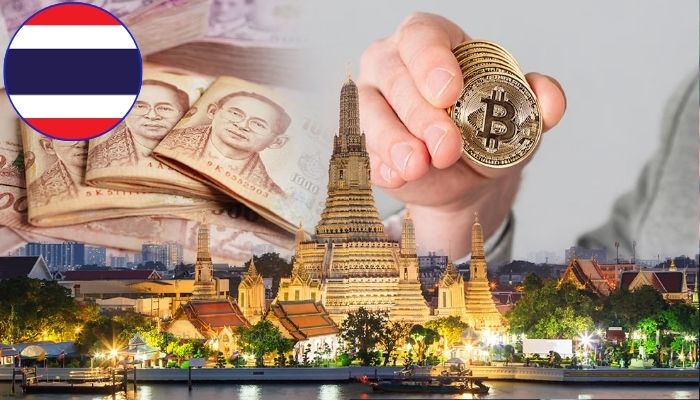
Picture yourself landing in Bangkok, ready to explore vibrant markets and serene beaches, with your Bitcoin or Ethereum ready to spend. Thailand’s latest move, the TouristDigiPay program, makes this a reality, transforming how tourists pay in a country famous for its hospitality. Launched on August 18, 2025, this $15 billion initiative aims to breathe new life into Thailand’s tourism sector by letting visitors convert cryptocurrencies into Thai baht for seamless spending. With a significant drop in tourist numbers, especially from China, Thailand is betting on crypto to attract tech-savvy travelers and boost its economy. Let’s explore how this program works and why it’s a game-changer for both tourists and locals.
Why Thailand is Embracing Crypto for Tourism
A Tourism Sector in Need of a Boost
Thailand’s economy thrives on tourism, contributing roughly 12% to its GDP. However, 2025 has been tough, with only 16.8 million visitors in the first half of the year compared to 17.7 million in 2024—a notable decline, especially with a 34% drop in Chinese tourists. Competing destinations like Japan and Vietnam, with weaker currencies, have drawn travelers away. To counter this, Thailand is innovating with TouristDigiPay, a program designed to attract digital nomads and crypto enthusiasts who spend more per trip. Source: World Tourism Institute, July 2025

A Global Leader in Crypto Adoption
Thailand isn’t new to digital assets. Over 20% of Thai adults own cryptocurrencies, surpassing the global average of 15%. The country has been experimenting with blockchain, from a retail central bank digital currency pilot to issuing $5 billion in digital investment tokens. TouristDigiPay builds on this foundation, positioning Thailand as a pioneer in blending crypto with tourism. By offering a regulated way to use digital assets, Thailand aims to stand out in Southeast Asia, where neighbors like Singapore focus on institutional crypto rather than consumer payments. Source: bitcoinethereumnews.com
How TouristDigiPay Works
Converting Crypto to Baht Made Simple
TouristDigiPay isn’t about paying directly with Bitcoin at a street food stall. Instead, tourists convert their cryptocurrencies—like Bitcoin, Ethereum, or stablecoins such as USDT—into Thai baht through regulated digital wallets like TrueMoney or ShopeePay. After registering with licensed providers and passing strict Know Your Customer (KYC) checks, visitors can spend via QR codes at merchants across Thailand, from Phuket’s beach resorts to Chiang Mai’s night markets. The process is designed to be user-friendly, with funds stored in temporary digital wallets for easy transactions. Source: Coinpaper
Strict Safeguards for Safety
To prevent financial crimes, TouristDigiPay operates within an 18-month regulatory sandbox overseen by Thailand’s Securities and Exchange Commission (SEC) and Bank of Thailand (BOT). Spending is capped at 500,000 baht ($15,400) monthly for larger merchants and 50,000 baht for smaller ones, with no cash withdrawals allowed until account closure. These measures, aligned with Anti-Money Laundering Office (AMLO) standards, ensure security while giving tourists flexibility. Deputy Prime Minister Pichai Chunhavajira noted, “This system replaces cash and cards with innovative solutions, keeping Thailand’s economy stable.” Source: Khaosod English
Benefits for Tourists and Local Businesses
Convenience for Crypto-Savvy Travelers
For tourists, TouristDigiPay means less hassle exchanging money or relying on credit cards with high fees. Imagine paying for a tuk-tuk ride or a mango sticky rice with a quick QR scan, all backed by your crypto wallet. The program targets digital nomads and younger travelers who own crypto—around 15% of adults globally, with higher rates in Asia. This convenience could boost spending, with estimates suggesting a 10% increase in tourist expenditure could add $5.39 billion to Thailand’s economy. Source: Khaosod English
A Win for Local Merchants
Local businesses, from street vendors to luxury hotels, benefit by receiving payments in baht, shielding them from crypto’s volatility. Small merchants, especially in tourist hotspots like Bangkok and Pattaya, gain access to a new customer base without needing to understand blockchain. The program’s integration with existing QR payment systems like PromptPay makes adoption easier, potentially driving billions in transactions if even 5% of tourism revenue flows through TouristDigiPay. Source: bitcoinethereumnews.com
Challenges and Risks to Watch
Navigating the Learning Curve
While innovative, TouristDigiPay faces hurdles. The KYC process and digital wallet setup might confuse less tech-savvy travelers. Some X users have criticized the mandatory KYC as a barrier, arguing it feels more like a controlled system than true crypto freedom. To succeed, Thailand must simplify onboarding, perhaps with multilingual apps or airport support desks. Educating merchants is also key, as many small businesses may not yet understand the system. Source: X posts
Volatility and Regulatory Concerns
Cryptocurrency’s price swings could affect tourists’ spending power. For example, Bitcoin’s recent climb to $124,000 shows its potential, but a sudden drop could reduce converted baht. Additionally, strict regulations might deter privacy-focused travelers. Thailand’s cautious approach, avoiding direct crypto payments, balances innovation with stability but could limit the program’s appeal. Learning from Bhutan’s Binance Pay partnership, Thailand might need to streamline processes to compete globally. Source: Travel and Tour World
The Global Impact of Thailand’s Crypto Bet
Setting a New Standard
Thailand’s TouristDigiPay could inspire other nations. Bhutan and the UAE have explored similar crypto-tourism models, but Thailand’s scale—aiming for 33 million tourists in 2025—makes it a global test case. If successful, it could push countries like Vietnam or Cambodia to adopt similar systems, reshaping tourism in the region. Analysts estimate that $3 billion in transactions could flow through TouristDigiPay if just 5% of tourists participate, highlighting its potential to redefine travel payments. Source: bitcoinethereumnews.com
A Step Toward Digital Finance Leadership
Beyond tourism, TouristDigiPay aligns with Thailand’s ambition to lead in digital finance. With a five-year crypto tax holiday and plans for tokenized bonds, the country is building a robust fintech ecosystem. This initiative could pave the way for broader crypto adoption in retail or real estate, making Thailand a hub for digital nomads and investors. Source: Chiang Rai Times
Conclusion: A New Era for Thai Tourism
Thailand’s TouristDigiPay is more than a payment system—it’s a bold vision to blend tourism with the future of finance. By allowing crypto-to-baht conversions, Thailand is making travel easier for digital asset holders while boosting its economy. Despite challenges like KYC hurdles and market volatility, the program’s potential to attract tech-savvy travelers and increase spending is undeniable. As Thailand pioneers this crypto-tourism model, it’s setting the stage for a new era of travel, where your crypto wallet could be your ticket to exploring the Land of Smiles.